Outdoor Pizza Oven Guide 2026: Restaurant-Style Pizza at Home
A complete 2026 guide to outdoor pizza ovens: how they reach 950°F, gas vs. wood-fired vs. charcoal, step-by-step baking technique, and what to look for before buying a Gozney oven from Kitchenland.
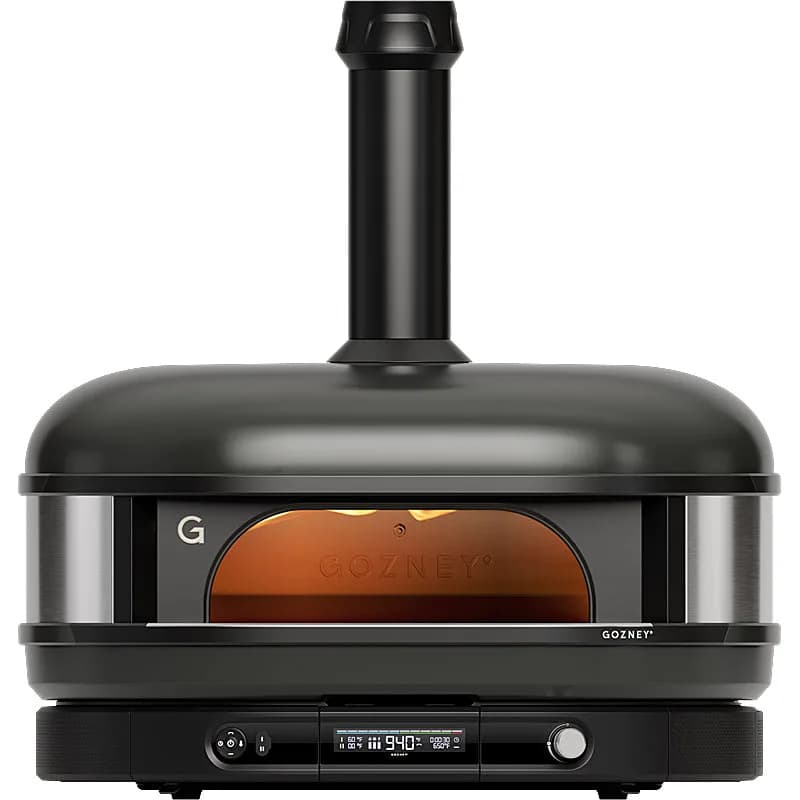
How an outdoor pizza oven works
- How an outdoor pizza oven works
- Gas vs. wood-fired vs. charcoal: which fuel fits your kitchen
- Step-by-step: baking your first pizza in an outdoor pizza oven
- Insider tips for a crisp, even bake
- Common mistakes and how to fix them
- Fuel-type comparison: gas vs. wood-fired vs. charcoal
- Alternatives worth considering
- Buying guide: what to look for in an outdoor pizza oven
An outdoor pizza oven is the single upgrade that turns a backyard cookout into a restaurant-style pizza night — think leopard-spotted crusts, molten cheese, and a 90-second bake instead of 20 minutes in a home oven. This guide breaks down how these ovens work, gas versus wood-fired trade-offs, step-by-step technique, and what to look for before you buy, with Kitchenland's Gozney lineup as the reference point throughout.
Key highlights
- A quality outdoor pizza oven reaches roughly 950°F, more than double a home oven's ceiling — that heat is what produces a crisp, blistered crust in under two minutes.
- A thick 30mm cordierite stone plus multi-layer insulation keeps the bake floor hot between pizzas instead of cooling off after the first bake.
- Dual-fuel ovens let you switch between gas, wood, or charcoal depending on how much smoky flavor and hands-on tending you want.
- Technique — dough hydration, launch method, and turning cadence — matters as much as the oven itself.
A dual-fuel outdoor pizza oven from Kitchenland is the fastest route to consistent, restaurant-style pizza at home.
If you want near-instant heat with minimal fuss, a gas or dual-fuel outdoor pizza oven gets you baking in about 15–20 minutes of preheat with no relighting between pies. If you're after real wood-smoke flavor and don't mind tending a fire, a dual-fuel model lets you switch modes as the night goes on.
Shop Outdoor Pizza Ovens at KitchenlandHow an outdoor pizza oven works
An outdoor pizza oven is built around one core idea: get the cooking chamber far hotter than a domestic kitchen oven can safely go, then hold that heat steady. A home oven tops out around 500–550°F, which is why a homemade pizza often takes 12–20 minutes and comes out with a pale, chewy crust rather than a blistered one. A dedicated outdoor pizza oven changes the equation entirely — Gozney's Dome Gen2, for example, reaches temperatures of 950°F, hot enough to bake a Neapolitan-style pizza in roughly under two minutes.
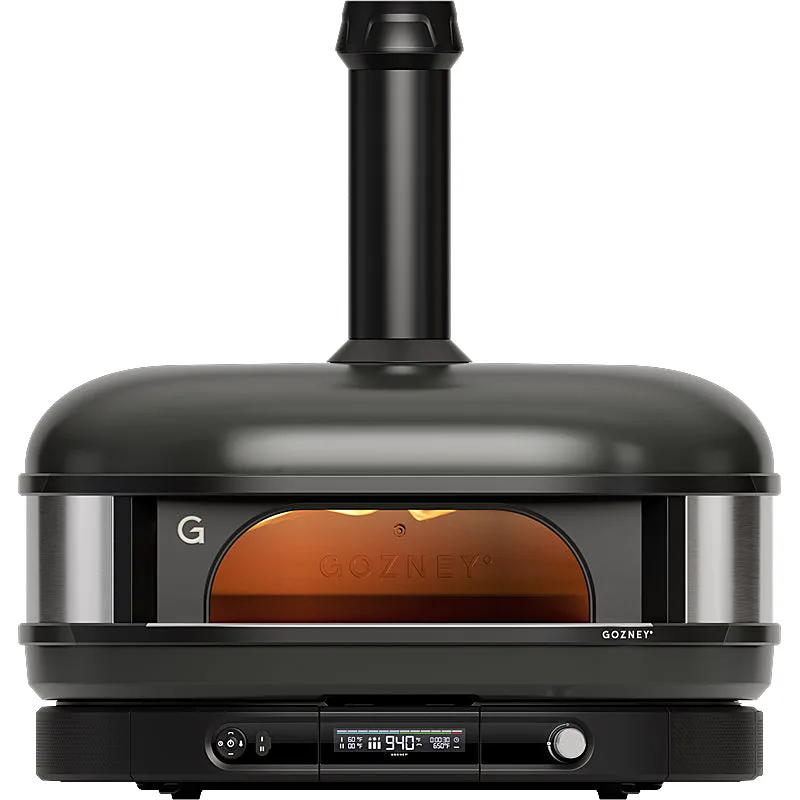
Two engineering details make that heat usable rather than just impressive. The bake floor is a 30mm cordierite stone — a dense, heat-retentive ceramic that stores thermal energy and recovers quickly between pizzas, so your third pie bakes just as fast as your first. Around that chamber, 3-layer insulation keeps the internal temperature rock-steady instead of bleeding heat into the surrounding air, which is what lets the oven hold a consistent bake even on a windy or cold evening.
The flame itself matters too. In a well-designed outdoor pizza oven, the flame rolls laterally across the dome rather than blasting straight up, wrapping the pizza in even radiant heat from the top while the stone handles the bottom. That combination — a scorching, evenly distributed heat source plus a stone that never really cools down — is the entire reason outdoor pizza ovens produce crusts that home ovens simply cannot replicate.
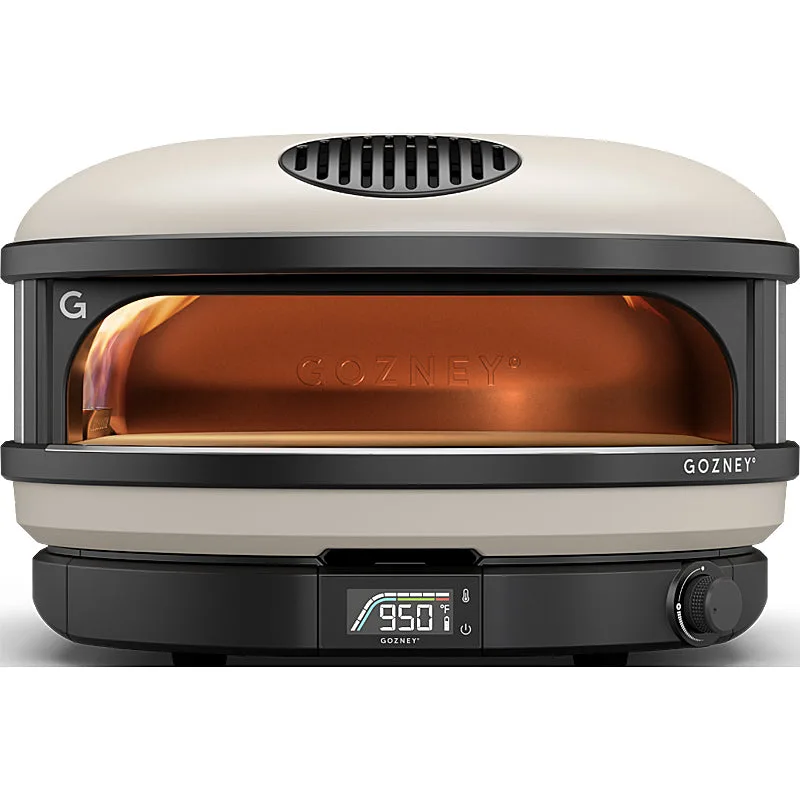
Gozney Arc XL (Gas)
Push-button gas ignition means no waiting on coals or wood — preheat, launch, and you're eating pizza in under 20 minutes.
Check Availability at KitchenlandGas vs. wood-fired vs. charcoal: which fuel fits your kitchen
Choosing a fuel type is the biggest decision in shopping for an outdoor pizza oven, and it's less about which is "better" and more about which matches how you actually want to cook. Gozney's Dome Gen2 series supports three fuel types: wood for smoky intensity, gas for clean, consistent heat, or charcoal for earthy depth, and several models let you switch between them in the same oven.
Gas is the low-friction choice. There's no fire to build, no wood to source or store, and temperature is easy to dial in and hold — ideal if you're cooking on a weeknight or hosting guests and don't want to babysit coals. Wood-fired cooking adds real smoke character to the crust and is the closest thing to a traditional Neapolitan pizzeria experience, but it demands more attention: feeding the fire, managing airflow, and reading flame behavior as you go. Charcoal sits in between — slower to light than gas but delivering an earthy depth that wood alone doesn't produce.
For cooks who don't want to choose permanently, an optional Wood-Fire Control Kit gives digital interface control over a wood fire much like a gas burner, displaying real-time air and stone temperatures so you get wood flavor without guessing at fire management. That flexibility is a genuine differentiator versus single-fuel ovens that lock you into one cooking style.
Step-by-step: baking your first pizza in an outdoor pizza oven
Getting a great result on your first bake comes down to sequencing. Rushing the preheat or overloading the peel are the two most common reasons a first pizza sticks, burns, or bakes unevenly.
- Preheat fully. Let the stone come up to temperature for at least 20–30 minutes before your first bake — a hot flame doesn't mean a hot stone yet, and an under-heated stone is the top cause of a soggy or pale base.
- Prep your dough at room temperature. Cold dough straight from the fridge won't stretch evenly and shocks the bake time.
- Dress the pizza on a floured or semolina-dusted peel, not directly in the oven, so it slides off cleanly.
- Launch with a confident, quick motion, sliding the pizza onto the hottest part of the stone in one pass.
- Turn every 15–20 seconds using the peel, since the flame side of the oven cooks faster than the far side.
- Pull as soon as the crust blisters and the cheese fully melts — at outdoor pizza oven temperatures, this is typically well under two minutes, so stay at the oven the whole time.
Insider tips for a crisp, even bake
A few habits separate a good outdoor pizza oven result from a great one. Keep dough hydration in the a high-hydration ratio range for a workable, blister-prone crust that isn't too wet to launch. Rotate the pizza in the same direction each time rather than randomly, so you build a feel for how fast your specific oven's hot spot cooks. Between pizzas, give the stone under two minutes to recover its surface heat — launching back-to-back without a pause is a common cause of a pale second or third pie.
If you're running a dual-fuel model, start the session on gas to bring the stone up to temperature quickly, then switch to wood partway through if you want smoke character for the rest of the night — you get fast preheat and real wood flavor without the slow start of lighting a cold wood fire from scratch.
Common mistakes and how to fix them
- Mistake: skipping the full preheat. Fix: wait for the stone, not just the flame, to reach temperature — this often takes longer than the dome itself looks ready.
- Mistake: overloading toppings. Fix: keep toppings light and evenly distributed so the crust cooks through in the short bake window instead of steaming under wet ingredients.
- Mistake: not rotating the pizza. Fix: turn every 15–20 seconds so the side nearest the flame doesn't scorch while the far side stays pale.
- Mistake: choosing single-fuel when you want flexibility. Fix: if you're unsure whether you'll cook mostly on weeknights (gas) or weekends (wood), a dual-fuel outdoor pizza oven avoids buyer's remorse later.
Gozney Dome Gen2 — via Kitchenland
What We Like
- Reaches restaurant-level heat for a fast, blistered crust
- Fuel flexibility across gas, wood, and charcoal
- Insulation holds a consistent temperature through multiple bakes
What to Consider
- Wood mode has a learning curve versus a gas oven
- A dedicated outdoor space or stand is needed for setup
For anyone comparing outdoor pizza ovens, the Dome Gen2's combination of a thick cordierite stone and multi-layer insulation is the difference between a novelty appliance and a tool that produces consistent results pizza after pizza. Kitchenland carries the Gozney lineup, making it a practical starting point if you want restaurant-style pizza without importing directly from a US manufacturer. Pairing it with other outdoor cooking equipment can complete your backyard setup.
Fuel-type comparison: gas vs. wood-fired vs. charcoal
| Fuel type | Preheat effort | Flavor profile | Best for |
|---|---|---|---|
| Gas | Low — push-button ignition | Clean, neutral heat | Weeknight cooking, beginners |
| Wood-fired | High — fire management needed | Smoky, traditional | Weekend sessions, flavor-focused cooks |
| Charcoal | Medium — slower to light than gas | Earthy depth | Cooks wanting a middle ground |
Alternatives worth considering
If a full outdoor pizza oven isn't the right fit yet, a few alternatives can bridge the gap. A cast-iron pizza steel used in a conventional oven improves crust crispness but still caps out at home-oven temperatures, so it won't replicate the under two minutes bake of a dedicated unit. A charcoal kettle grill fitted with a pizza stone can approximate wood-fired flavor but struggles to hold consistent, even heat across the cooking surface. Neither alternative reaches the sustained high heat that makes a purpose-built outdoor pizza oven worth the investment for anyone who plans to bake pizza regularly.
If your outdoor cooking setup already includes propane equipment, explore our guide on gas vs. pellet vs. charcoal grills for tips on integrating complementary cooking tools into your outdoor space.
Buying guide: what to look for in an outdoor pizza oven
Stone thickness and insulation
A thinner, uninsulated stone loses heat fast and struggles on the second or third pizza of the night. Look for a stone in the 25–30mm range with layered insulation around the dome — this is what lets an oven like the Gozney Dome Gen2 maintain rock-steady temperatures pizza after pizza rather than cooling off after the first bake.
Fuel flexibility
Decide honestly how you'll actually use the oven most weeks. If convenience wins, prioritize gas. If you want the option to switch it up, a dual-fuel model supporting gas, wood, and charcoal avoids locking you into one cooking style before you've settled on a preference.
Footprint and portability
Outdoor pizza ovens range from compact tabletop units to larger dome models that need a dedicated stand. Measure your patio or outdoor kitchen space before buying, and check whether the oven needs to be stored indoors during winter in colder climates.
How We Chose
Selection is based on official manufacturer specifications and product documentation for the Gozney Dome and Arc series sold through Kitchenland, cross-checked for consistency across the brand's own product pages. No independent lab testing was conducted.
The verdict
If you're ready to move beyond a home oven's ceiling and want consistent, restaurant-style pizza in under two minutes per bake, a dual-fuel outdoor pizza oven like the Gozney Dome Gen2, available through Kitchenland, is the most flexible pick — it covers weeknight gas convenience and weekend wood-fired flavor in one unit. Cooks who only ever want push-button simplicity and never plan to use wood should skip the dual-fuel premium and go straight for a gas-only model like the Arc XL instead.
Shop Gozney Ovens at KitchenlandThis article is for general informational purposes. Always follow the manufacturer's setup, ventilation, and safety instructions when operating a gas, wood, or charcoal outdoor pizza oven. Product availability and specifications are subject to change — verify current details with Kitchenland or the manufacturer before purchasing.
Recommended for you
 Best Home Espresso Machine 2026: Bean-to-Cup Buying Guide
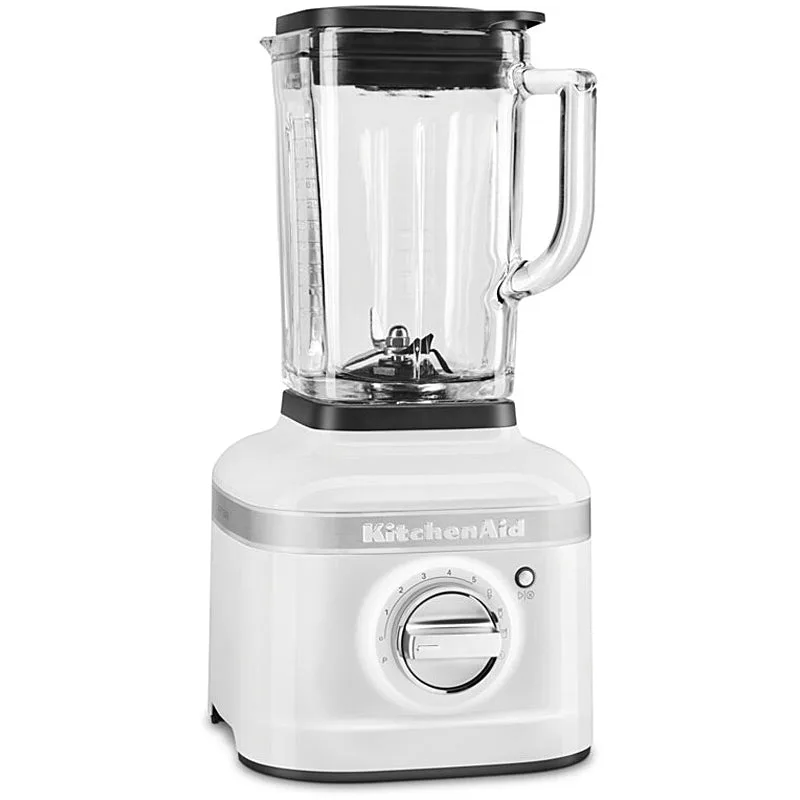 How to Choose a Stand Mixer: Complete 2026 Buyer's Guide
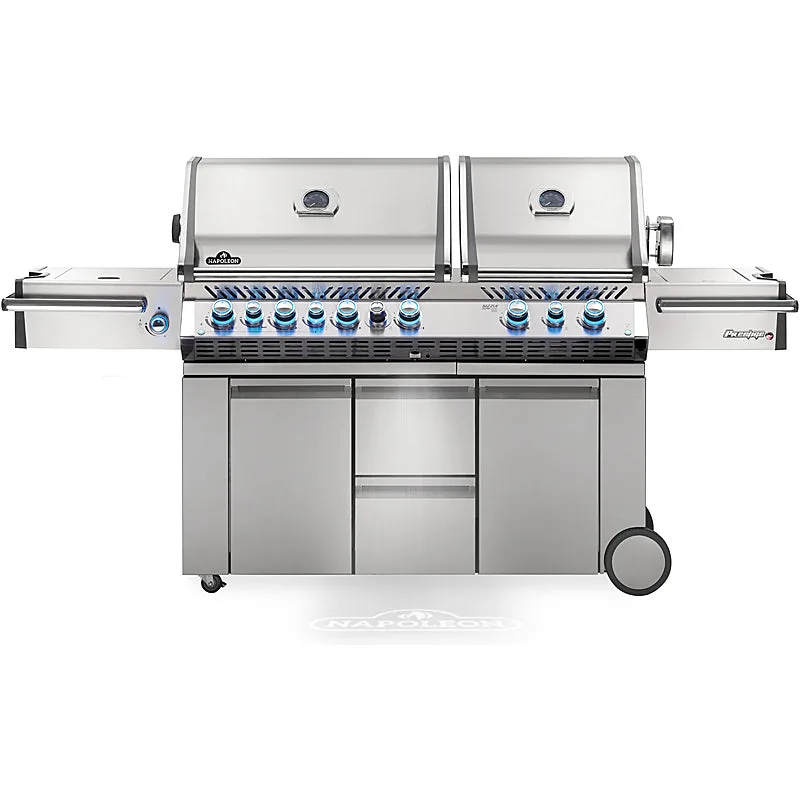 Gas vs Pellet vs Charcoal Grill: 4 Types, Best Fit (2026)
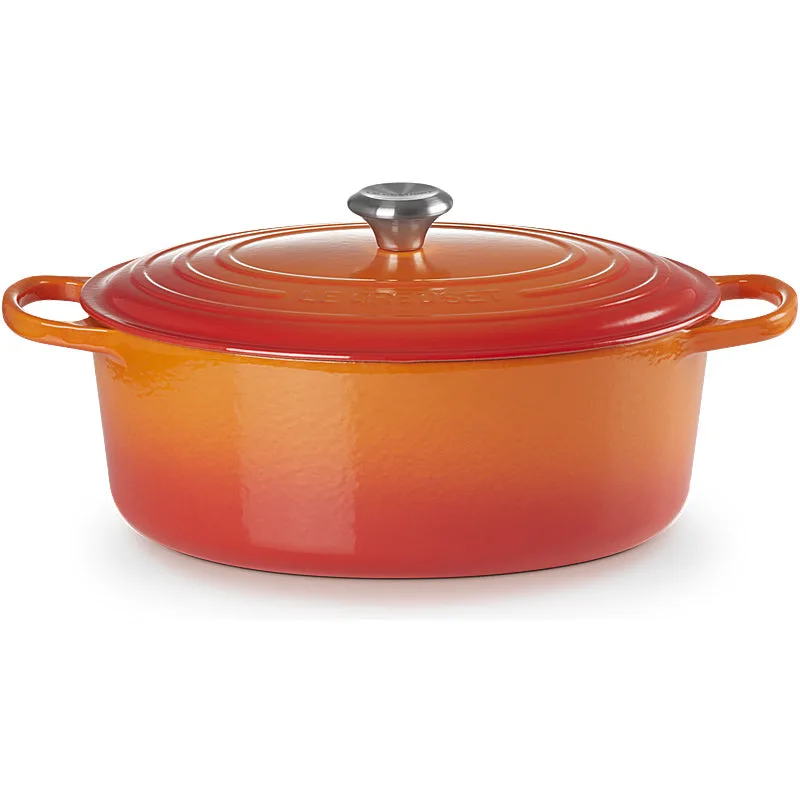 Le Creuset Dutch Oven Guide 2026: Is It Worth Buying?
 How to Keep Drinks Cold at a Tailgate: 5 Methods Ranked by Real Results
 Frost Buddy Review 2026: Is the Universal Buddy Actually Worth It?