Best Home Espresso Machine 2026: Bean-to-Cup Buyer's Guide
A practical buyer's guide to the best home espresso machine in 2026 — manual vs bean-to-cup, what to look for, and how JURA's Pulse Extraction Process and ceramic grinders deliver café-quality shots at home.
Manual vs automatic: which is the best home espresso machine for you
- Manual vs automatic: which is the best home espresso machine for you
- What to look for in a bean-to-cup espresso machine
- How Pulse Extraction Process improves your shot
- Grinders, milk texture and daily maintenance
- Top JURA picks from Kitchenland
- Comparison table
- Common mistakes when buying a home espresso machine
Choosing the best home espresso machine in 2026 comes down to one decision: manual control versus bean-to-cup convenience. If you want café-quality espresso at the touch of a button, without the learning curve of a portafilter, a bean-to-cup machine from a trusted maker like JURA — sold through the German specialist retailer Kitchenland — is the fastest path to a consistently great cup at home.
- Manual vs automatic: which is the best home espresso machine for you
- What to look for in a bean-to-cup espresso machine
- How Pulse Extraction Process improves your shot
- Grinders, milk texture and daily maintenance
- Top JURA picks from Kitchenland
- Comparison table
- Common mistakes when buying a home espresso machine
- How we chose
- Final verdict
Key highlights
- Bean-to-cup machines grind, brew and froth in one automated cycle — no separate grinder or steam wand skills needed.
- JURA's Pulse Extraction Process (P.E.P.) pulses water through the grounds for more even extraction on short drinks like ristretto and espresso.
- Adjustable ceramic disc grinders let you dial in flavor without buying a second appliance.
- Fine Foam Technology automates microfoam milk texture for lattes and cappuccinos.
- Kitchenland is a premium German retailer specializing in JURA automatic machines for home kitchens.
A JURA bean-to-cup machine from Kitchenland is the best home espresso machine for anyone who wants café-quality shots without manual dialing-in.
If you already enjoy manual dialing-in as a hobby, a semi-automatic machine may suit you better. If you want consistent, café-style espresso every morning with minimal fuss, a bean-to-cup model is the practical choice.
Check current price at KitchenlandManual vs automatic: which is the best home espresso machine for you
The best home espresso machine for your kitchen depends on how involved you want to be in the brewing process. Manual and semi-automatic machines require a separate grinder, a tamper, and practice to pull a balanced shot. Bean-to-cup (automatic) machines like JURA's lineup handle grinding, dosing, extraction and milk texturing inside a single housing, so the same quality shot comes out whether it's your first cup or your five-hundredth.
For households that want espresso, lattes and cappuccinos on demand without buying and learning three separate tools, bean-to-cup is the more practical route. For hobbyists who enjoy the ritual of manual dialing-in, a semi-automatic setup can be more rewarding — but it demands a real time investment to get consistent results. If you're building out your kitchen with other appliances beyond espresso, our guide on how to choose a stand mixer covers another essential countertop tool for home cooking.
What to look for in a bean-to-cup espresso machine
Before comparing specific models, narrow down the features that actually affect your daily cup. These factors separate a machine that earns counter space from one that gets sold within a year.
Grinder quality and adjustability
The grinder is the single biggest factor in shot quality. Look for a machine with an adjustable ceramic disc grinder rather than a fixed-setting blade grinder — ceramic discs run cooler, last longer, and let you fine-tune grind size for flavor control.
Extraction technology
Some manufacturers use standard pump pressure alone; others use additional extraction processes designed specifically for short, concentrated drinks like ristretto and espresso. This matters more than headline pressure numbers on a spec sheet.
Milk automation
If lattes and cappuccinos are part of your routine, check whether the machine automates milk frothing to a consistent microfoam texture, or whether you'll need to manually steam and texture milk yourself.
Maintenance and descaling
Every espresso machine needs regular descaling to prevent mineral buildup from shortening its lifespan. Favor models with automatic cleaning cycles and clear descaling reminders — skipping maintenance is the most common reason home espresso machines fail early.
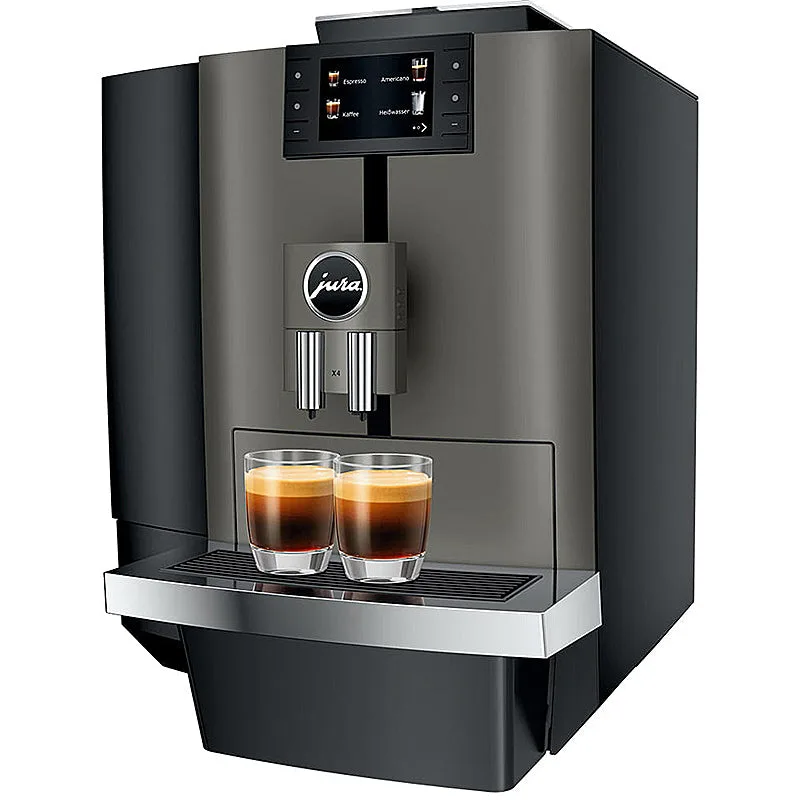
JURA X4
A smaller-footprint bean-to-cup machine that still uses JURA's Pulse Extraction Process for consistent shots.
View at KitchenlandHow Pulse Extraction Process improves your shot
JURA's Pulse Extraction Process (P.E.P.) pulses water through the coffee grounds in short intervals, optimizing extraction especially for shorter drinks like ristretto and espresso. Rather than pushing a continuous stream of water through the puck the way many entry-level machines do, P.E.P. breaks the flow into pulses, giving the grounds more contact time relative to water volume.
This precision engineering enables JURA machines to grind fresh beans, control water temperature and pressure, and automatically froth milk, all within about 60 seconds per cup — a level of automation that a manual setup simply cannot match without years of practice.
Grinders, milk texture and daily maintenance
Grind quality and milk texture are the two variables home baristas struggle with most, and they're exactly where a good bean-to-cup machine earns its price. JURA's bean-to-cup machines use adjustable ceramic disc grinders that let you customize grind size for flavor control — finer settings extract more flavor but slow brew time, while coarser settings brew faster with a lighter body.
On the milk side, JURA's Fine Foam Technology creates microfoam milk with a professional steamed-milk texture, so cappuccinos and lattes come out with the same consistency a trained barista would aim for, without you having to learn steam-wand technique.
- Descale on the schedule the machine recommends — don't wait for a warning light.
- Rinse the milk system daily if you froth milk regularly.
- Use fresh, properly stored whole beans rather than pre-ground coffee to protect the grinder and preserve flavor.
- Run the built-in cleaning cycle weekly, or as prompted, to keep extraction consistent.
Top JURA picks from Kitchenland
Kitchenland is a premium German retailer that specializes in JURA automatic and bean-to-cup coffee machines for home kitchens. Below are two models worth comparing if you're ready to buy.
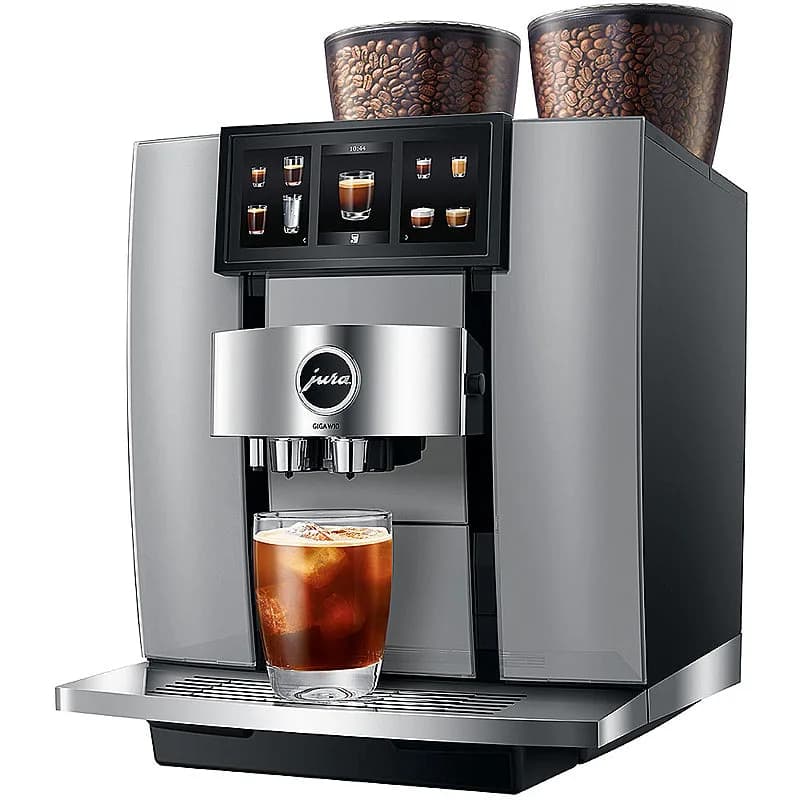
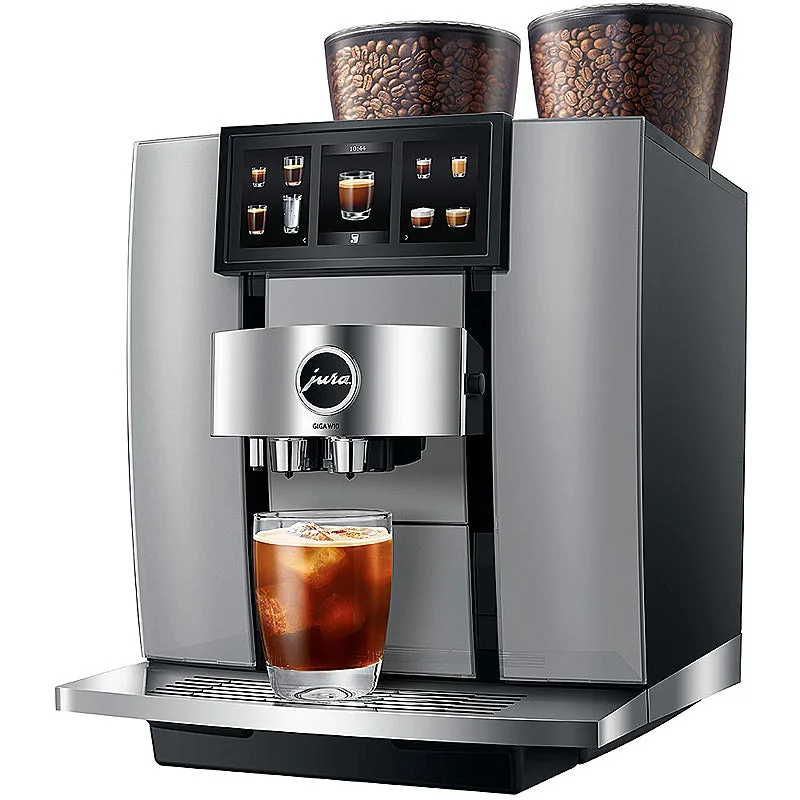
JURA GIGA W10
What We Like
- Fully automated grind-to-cup workflow
- Consistent microfoam without manual steaming
- Ceramic grinder built for long-term durability
What to Consider
- Higher upfront investment than a manual machine
- Larger footprint suited to a dedicated counter spot
As JURA's flagship bean-to-cup model, the GIGA W10 is built for households that want every drink — from a straight ristretto to a full latte — available at the touch of a button, without swapping accessories or adjusting technique between drinks.
JURA X4
What We Like
- Same P.E.P. extraction as JURA's larger models
- Smaller footprint fits tighter kitchens
- Adjustable ceramic grinder for flavor control
What to Consider
- Fewer simultaneous drink options than the GIGA W10
- Milk system capacity is more limited for high-volume households
The X4 is the pick for buyers who want JURA's core extraction technology without dedicating a large section of counter space to it — a good fit for apartments or secondary kitchens.
Comparison table
| Feature | JURA GIGA W10 | JURA X4 |
|---|---|---|
| Extraction technology | Pulse Extraction Process (P.E.P.) | Pulse Extraction Process (P.E.P.) |
| Grinder | Adjustable ceramic disc grinder | Adjustable ceramic disc grinder |
| Milk texture | Fine Foam Technology microfoam | Automated milk frothing |
| Best for | Full-range households, entertaining | Smaller kitchens, single/couple households |
| Price | Check current price | Check current price |
Common mistakes when buying a home espresso machine
Even careful buyers repeat a few predictable mistakes when choosing between machines. Avoiding these saves both money and frustration.
- Chasing pressure numbers alone. Bar pressure matters less than consistent extraction technology and grind quality.
- Ignoring maintenance requirements. A machine you won't descale on schedule will underperform regardless of its specs.
- Buying pre-ground coffee for a machine with a built-in grinder. This defeats the purpose of an adjustable grinder and stales faster.
- Underestimating counter space and water-line needs for larger bean-to-cup models.
- Skipping the milk system check if lattes and cappuccinos are a daily habit.
How We Chose
Our picks are based on manufacturer specifications, official JURA product documentation, and independent coffee-equipment reporting, cross-checked against Kitchenland's current bean-to-cup lineup. We prioritized extraction technology, grinder quality, milk automation and maintenance design over headline marketing claims.
Final verdict: the best home espresso machine for most homes
If you want café-quality espresso, ristretto and milk-based drinks without learning manual technique, a JURA bean-to-cup machine from Kitchenland is the best home espresso machine for most households in 2026. Choose the GIGA W10 if you entertain often and want the full drink range; choose the X4 if counter space is limited. Skip either if you specifically want the hands-on ritual of manual espresso — that's a different buying decision entirely. For other kitchen essentials beyond espresso, explore our guides to Dutch ovens for everyday cooking.
Check current price at KitchenlandBuilding out your kitchen? See our guide to durable everyday cookware.
This article is for general buying guidance and does not constitute professional appliance-repair or safety advice. Always follow the manufacturer's setup, descaling and maintenance instructions supplied with your machine.
Recommended for you
 How to Choose a Stand Mixer: Complete 2026 Buyer's Guide
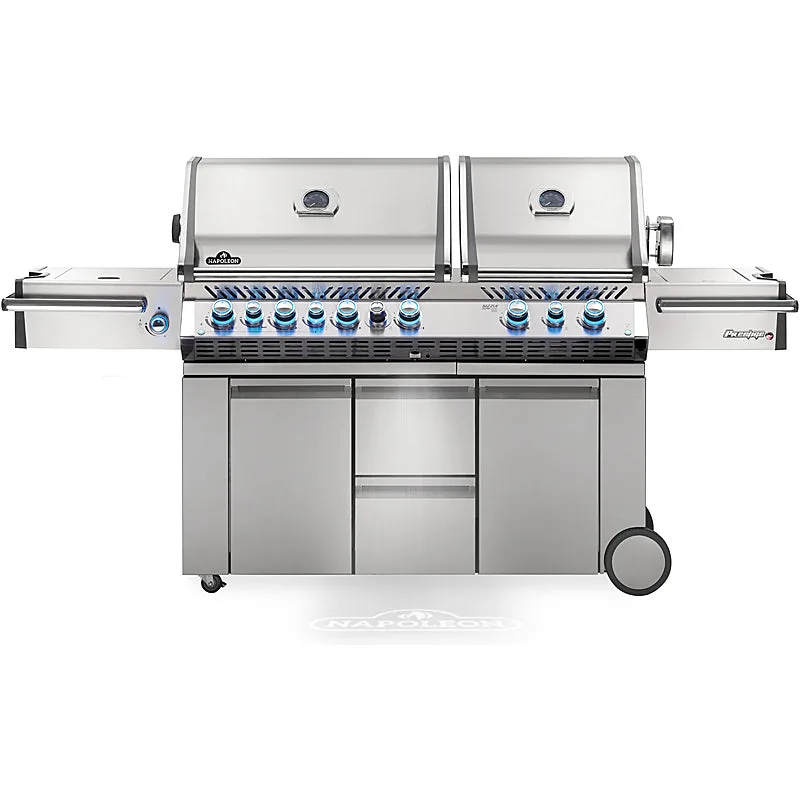 Gas vs Pellet vs Charcoal Grill: 4 Types, Best Fit (2026)
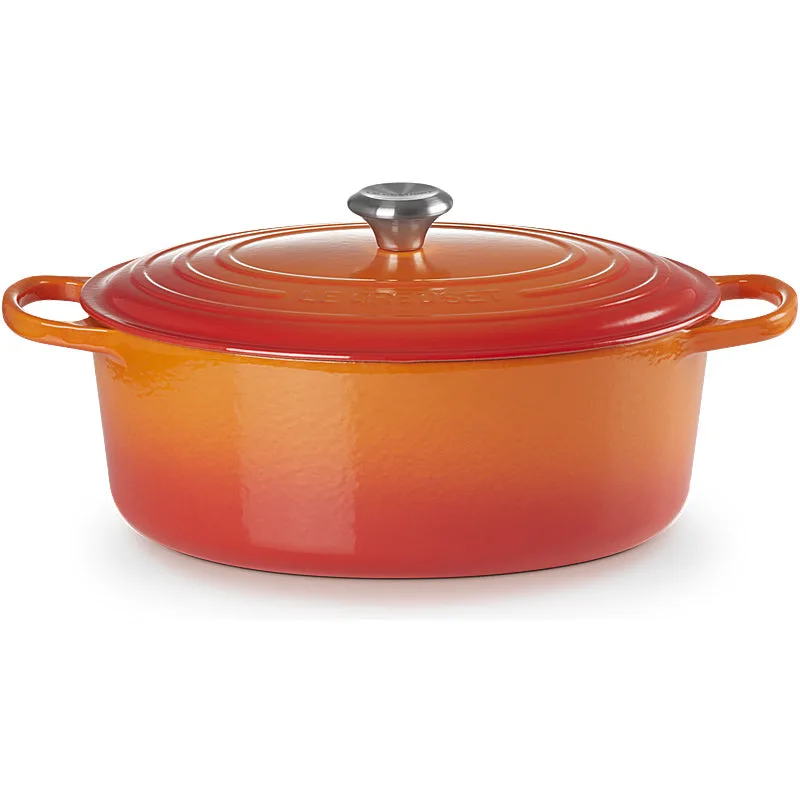 Le Creuset Dutch Oven Guide 2026: Is It Worth Buying?
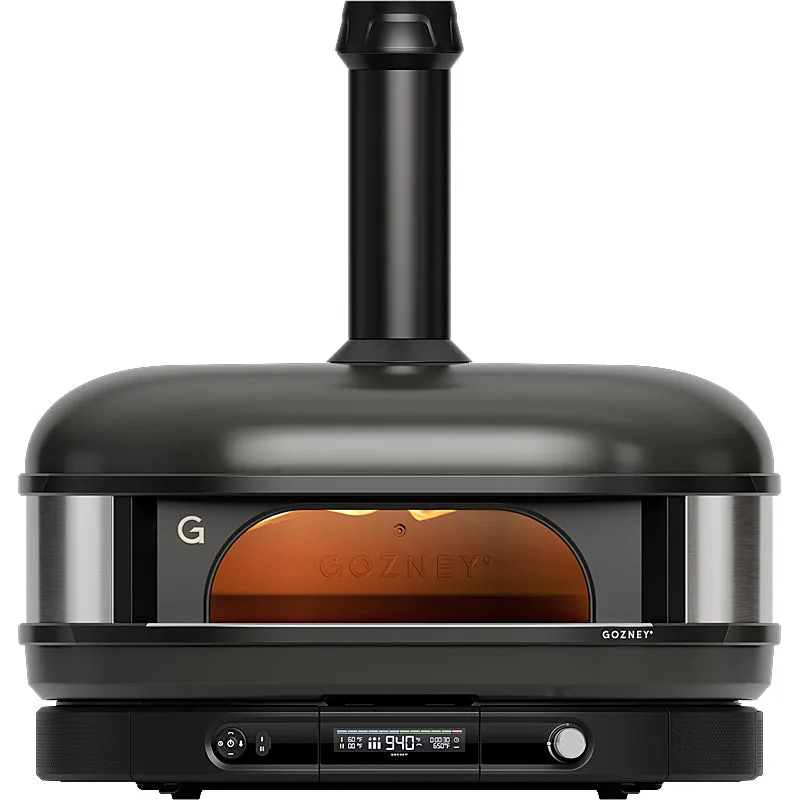 Outdoor Pizza Oven Guide 2026: Best Way to Get Restaurant Pizza
 How to Keep Drinks Cold at a Tailgate: 5 Methods Ranked by Real Results
 Frost Buddy Review 2026: Is the Universal Buddy Actually Worth It?