How to Choose a Stand Mixer: The Complete 2026 Buyer's Guide
Wattage, bowl size, and tilt-head vs bowl-lift design — here's exactly how to choose a stand mixer that matches your baking habits, featuring the KitchenAid Artisan line.
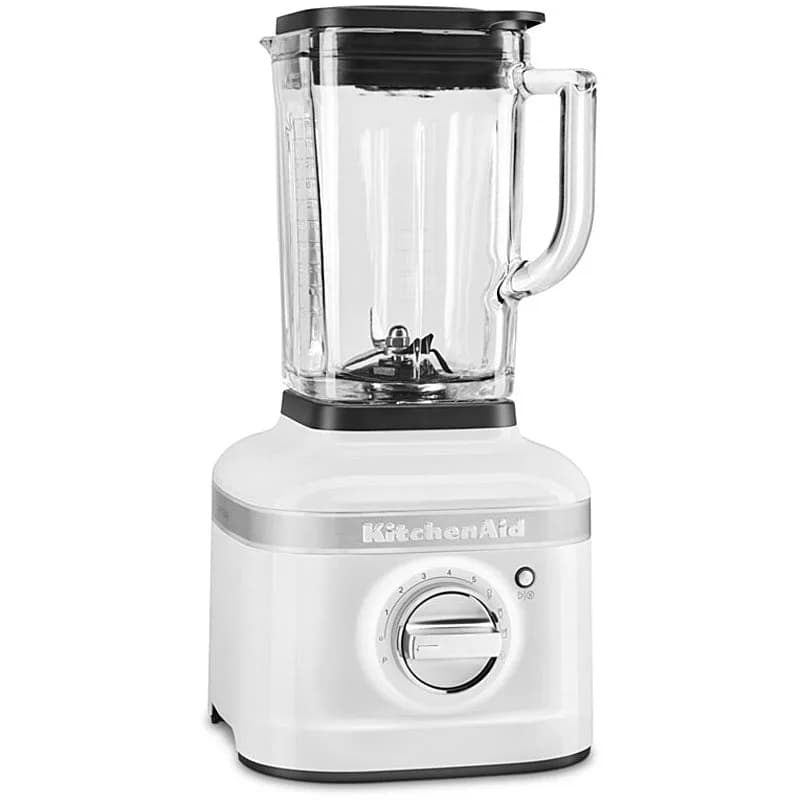
Does motor wattage actually matter?
Learning how to choose a stand mixer starts with three numbers most shoppers skip past: motor wattage, bowl capacity, and head design. Get those three right for your kitchen and baking habits, and the rest — attachments, finish, speed count — is just preference. This guide breaks down exactly what to compare before you buy, using KitchenAid's Artisan line (available through Kitchenland) as the reference point.
For most home bakers, a 5-quart tilt-head model like the KitchenAid Artisan hits the sweet spot of power, capacity, and counter footprint.
If you bake a few batches of cookies or a couple of cakes a week, a 5-quart, 325-watt tilt-head mixer gives you enough torque for stiff cookie dough without dominating your counter. If you bake bread in large batches multiple times a week, size up to a bowl-lift model instead.
Check KitchenAid Artisan at KitchenlandKey Highlights
- Wattage alone doesn't predict performance — bowl-lift models trade a lower headline wattage for more stable torque under heavy loads.
- A 5-quart bowl can mix roughly nine dozen cookies in a single batch, enough for most households.
- Tilt-head and bowl-lift are two different mechanical designs, not just sizes — each suits a different baking style.
- The attachment hub (not the bowl) is what turns a mixer into a multi-tool for pasta, grinding, and spiralizing.
Does motor wattage actually matter?
Motor wattage matters, but it's not the whole story. A 325-watt motor, like the one in the KitchenAid Artisan 5-quart tilt-head mixer, is calibrated for the mixer's gear ratio and bowl size — it's not directly comparable to a 325-watt motor in a different mixer body. What actually determines real-world performance is how the motor, gearbox, and beater geometry work together under load, which is why a manufacturer's own official specifications are a more reliable reference than wattage alone.
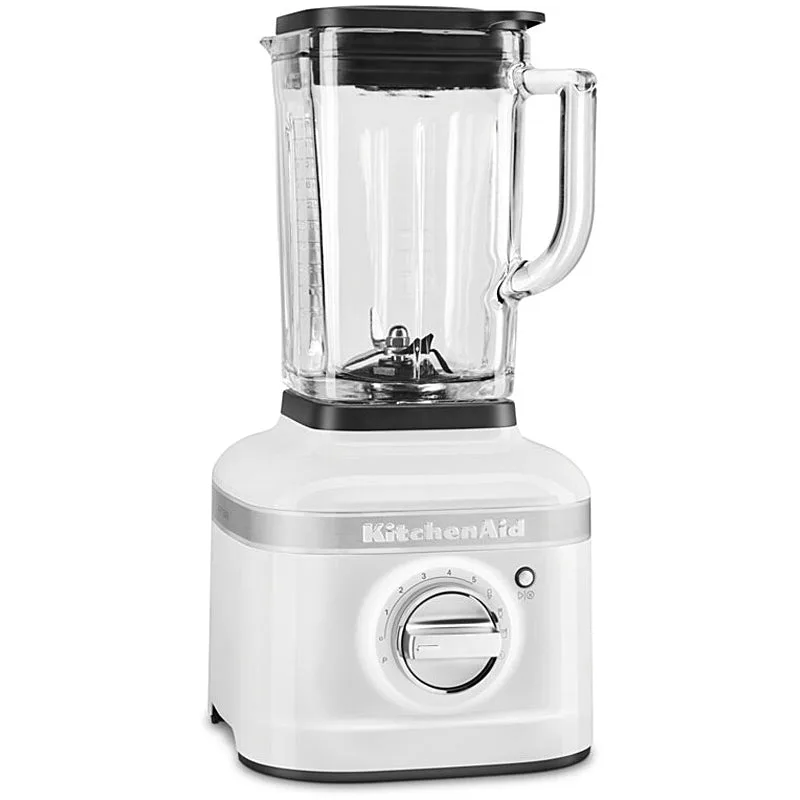
In practice, this means you should judge a mixer by what it can handle — stiff cookie dough, bread dough, whipped egg whites — rather than by the wattage number printed on the box. A mixer rated for nine dozen cookies in a single 5-quart batch tells you more about real capability than a wattage figure on its own.
How to choose a stand mixer for your kitchen
Knowing how to choose a stand mixer comes down to matching the machine to how — and how often — you actually bake. Someone who bakes a dozen cookies twice a month has very different needs than someone kneading bread dough three times a week. Work through these four questions before you compare specific models.
1. How often do you bake, and what do you make most?
Occasional bakers making cakes, cookies, and quick breads are well served by a compact 5-quart tilt-head mixer. Frequent bakers who regularly knead stiff bread dough or mix large batches benefit from the added stability of a bowl-lift design, discussed below.
2. How much counter and storage space do you have?
Tilt-head mixers tend to have a smaller footprint and can often be pushed under a cabinet since the head folds down. Bowl-lift mixers are taller and heavier, and they need clearance above for the head lift mechanism.
3. What attachments do you actually want to use?
If you plan to make pasta, grind meat, or spiralize vegetables, prioritize a mixer with a standard attachment hub over one with more speed settings but no hub — the hub is what unlocks those extra tools.
4. What's your realistic batch size?
Don't buy for the one holiday you bake for twenty people. Buy for the batch size you make most weeks, then size up only if large batches are a regular, not occasional, need.
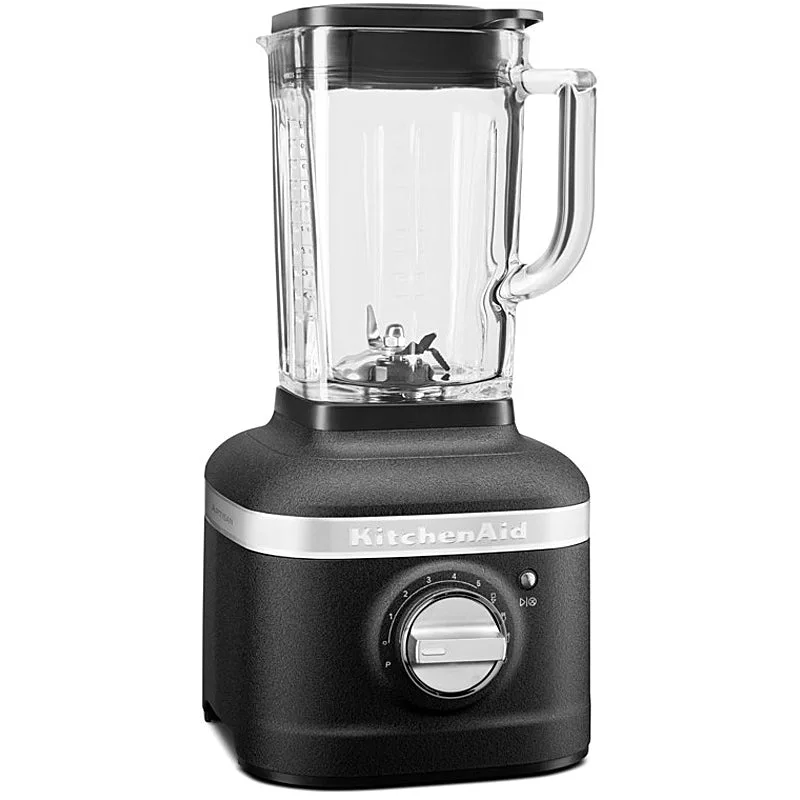
KitchenAid Artisan 5-Qt Tilt-Head Mixer
10-speed control with a 325-watt motor and 5-quart stainless bowl, available at Kitchenland.
Tilt-head vs bowl-lift: which design fits you
KitchenAid makes both tilt-head and bowl-lift stand mixers, and the difference is mechanical, not just cosmetic. Tilt-head models have a head that tilts up and away from the bowl for easy ingredient access and beater changes — ideal for regular home baking. Bowl-lift models keep the head stationary and instead lift the bowl up into the mixing position on two side arms, a design built for heavier, more commercial-style mixing.
Neither design is objectively "better" — they solve different problems. If you frequently swap between whisking egg whites and folding in flour, the tilt-head's quick access saves real time. If you're mixing dense, heavy bread dough in large volumes, the bowl-lift's more rigid frame keeps the bowl locked in place under strain.
| Design | Best For | Bowl Access |
|---|---|---|
| Tilt-head (e.g. Artisan 5-Qt) | Everyday home baking, frequent recipe switching | Head tilts up — fast, easy access |
| Bowl-lift (e.g. Classic Series) | Heavy, large-batch, commercial-style mixing | Bowl locks onto lift arms — more rigid, slower to open |
Bowl size and capacity: how big do you need
Bowl capacity is usually the first spec shoppers look at, and for good reason — it caps how much you can mix in one pass. A 5-quart stainless steel bowl, the size used on the Artisan tilt-head line, can handle roughly nine dozen cookies in a single batch, which covers most households without needing to mix in shifts.
Households that bake in bulk — for a bakeshop-style setup, large family gatherings, or bread-heavy weekly routines — should look toward larger bowl-lift capacities. But for anyone deciding how to choose a stand mixer for typical home use, a 5-quart bowl is the size most recipes and most kitchens are built around.
Attachments and versatility
A stand mixer's long-term value often comes from its attachment hub more than its bowl or motor. Once you have a mixer with a standard power hub, you can typically add pasta rollers, meat grinders, food processors, and spiralizers without buying a separate appliance for each. The 10-speed control on the Artisan line also matters here — different attachments and tasks call for very different speeds, from a slow speed-1 fold for delicate batters to a fast speed-10 whip for meringue.
- Flat beater: the default attachment for cookie dough, cake batter, and general mixing.
- Dough hook: built for kneading yeasted bread dough without hand-kneading.
- Wire whip: for whipped cream, meringues, and aerated batters.
- Pouring shield: clips onto the bowl rim to reduce splatter from dry ingredients.
Getting the most from your mixer
Once you've chosen a mixer, a few habits protect both the machine and your results.
- Start on the lowest speed when adding dry ingredients, then increase gradually — this is what the pouring shield is designed to support.
- Scrape down the bowl between speed changes so ingredients at the base get fully incorporated.
- Don't run a tilt-head mixer at top speed for extended stretches of heavy bread dough — that's the job a bowl-lift design handles more comfortably.
- Store attachments in the hub compartment or a dedicated drawer so the mixer stays ready to use rather than becoming a shelf decoration.
Common mistakes to avoid
The most common mistake is buying based on bowl size alone and ignoring head design — a shopper who bakes bread three times a week but buys a small tilt-head mixer will find it working harder than it should. The second most common mistake is skipping the attachment hub question entirely, then discovering later that the mixer they bought can't take a pasta roller or grinder attachment. Finally, many buyers overlook counter clearance: bowl-lift mixers need more vertical space above them to lift the bowl into place, so measure your cabinet clearance before buying a taller model.
If your kitchen setup falls short on space, consider pairing your stand mixer with quality kitchen appliances that also work well in compact spaces, or see how a stand mixer fits into a broader cooking and baking setup.
How We Chose
Selection criteria were drawn from official manufacturer specifications and comparison guides rather than in-house testing, focused on motor output, bowl capacity, head design, and attachment compatibility.
The Bottom Line
For most home kitchens, a 5-quart tilt-head mixer like the KitchenAid Artisan offers the right balance of power, bowl capacity, and easy access. Bakers with heavier, more frequent batch needs should look at bowl-lift models instead.
Shop KitchenAid Mixers at KitchenlandReferences
Recommended for you
 Best Home Espresso Machine 2026: Bean-to-Cup Buying Guide
 Gas vs Pellet vs Charcoal Grill: 4 Types, Best Fit (2026)
 Le Creuset Dutch Oven Guide 2026: Is It Worth Buying?
 Outdoor Pizza Oven Guide 2026: Best Way to Get Restaurant Pizza
 How to Keep Drinks Cold at a Tailgate: 5 Methods Ranked by Real Results
 Frost Buddy Review 2026: Is the Universal Buddy Actually Worth It?