Gas vs Pellet vs Charcoal vs Kamado: Which Grill Is Right for You?
Gas, pellet, charcoal, and kamado grills each cook differently. Here is how flavor, temperature control, and convenience compare, and which type fits your backyard.
What are gas, pellet, charcoal, and kamado grills?
Gas vs pellet vs charcoal grill debates dominate every backyard cookout, and kamado-style ceramic grills add a fourth contender worth knowing before you buy. Homarosa breaks down how each type actually cooks, what flavor and convenience trade-offs to expect, and how a range like Kitchenland's fits into the decision.
There is no single best grill type — the right choice depends on how much flavor control, convenience, and hands-on time you want.
If you want fast, consistent weeknight cooking, a gas grill fits best. If you want smoky depth with minimal babysitting over long cooks, pellet is the easier route. If you want maximum flavor and versatility and don't mind a learning curve, charcoal and kamado deliver the most control.
- How gas, pellet, charcoal, and kamado grills actually produce heat and flavor
- Which type suits your cooking style, time budget, and skill level
- A side-by-side comparison of flavor, control, and convenience
- Common mistakes people make when choosing their first grill
- How to start shopping once you know your fit
What are gas, pellet, charcoal, and kamado grills?
Each grill type heats food a different way, and that difference is the reason the gas vs pellet vs charcoal grill debate never has one universal winner. Gas grills burn propane or natural gas through metal or infrared burners. Pellet grills burn compressed hardwood pellets fed automatically from a hopper. Charcoal grills burn lump charcoal or briquettes in an open kettle or basket. Kamado grills are thick-walled ceramic charcoal cookers, with the Big Green Egg as the best-known example.
All four can grill a steak or a burger, but they diverge sharply on flavor depth, how much attention they need, and how long a single load of fuel lasts. Understanding the mechanism behind each one makes the rest of the decision much easier.
How each grill type works
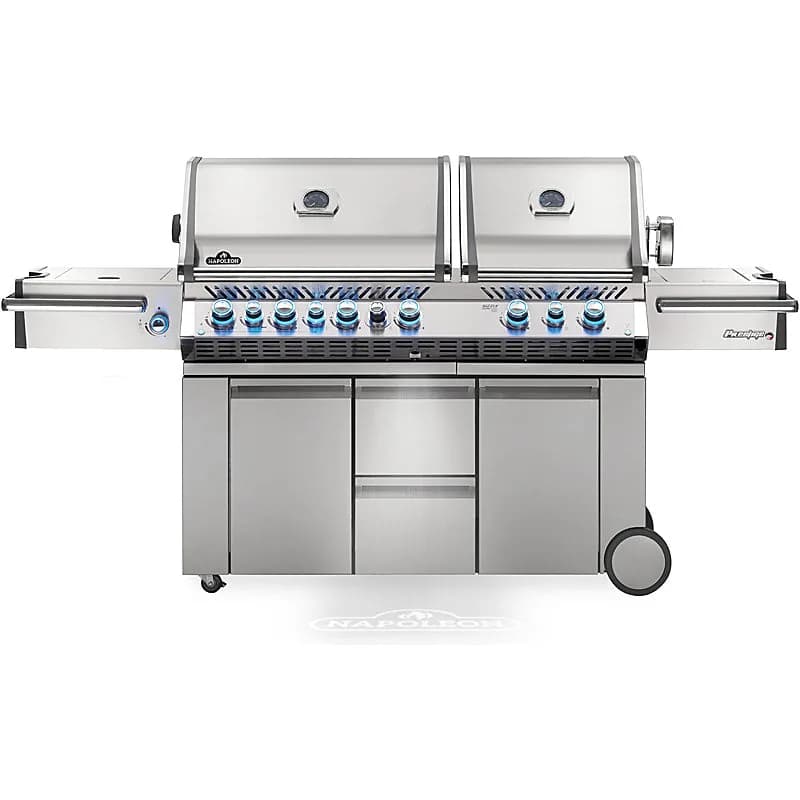
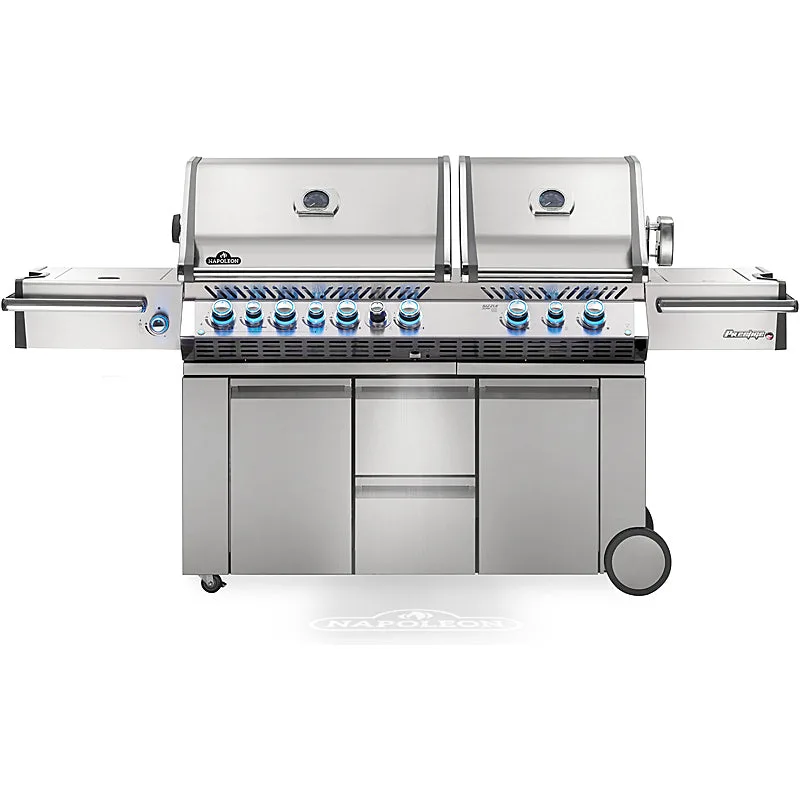
Gas grills like Napoleon models feature main and side infrared burners that give powerful, adjustable heat. In comparative testing, Napoleon gas grills showed a stronger ability to transfer rub spices onto meat surfaces than some other grill types, though total cooking time ran slightly longer. Gas offers some of the most consistent, dial-in temperature control of any grill category, which is why it remains the default choice for quick weeknight cooking.
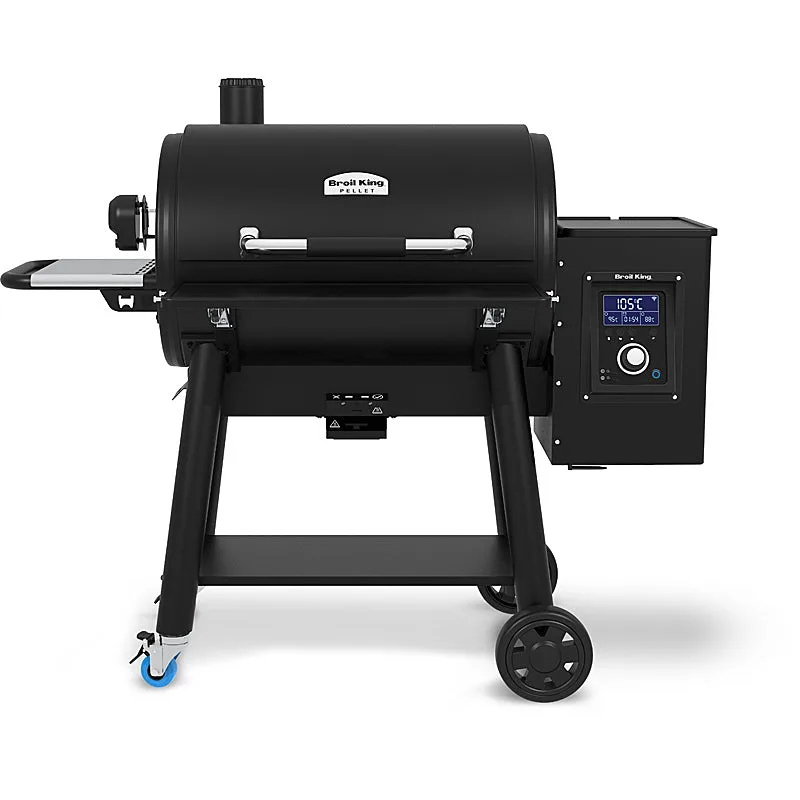
Pellet grills work differently: an auger feeds compressed wood pellets into a firebox, and a digital controller regulates the burn to hold a target temperature. Pellet grills from brands such as Broil King and Napoleon can run for 20-plus hours without refilling the hopper, which makes long low-and-slow smoking sessions practical without constant monitoring. That combination of wood-fired flavor and digital, hands-off control is the category's main appeal.
Charcoal grills are the most manual of the four — you build and manage the fire yourself, which gives direct control over heat but demands more attention. Kamado-style ceramic grills, like the Big Green Egg, take the charcoal concept and enclose it in thick ceramic walls. This construction gives kamado grills unusually precise flame and temperature control along with exceptional heat retention, plus the versatility to grill, smoke, roast, and bake in the same cooker.
Benefits and who each type suits
Gas grills suit cooks who value speed, consistency, and easy cleanup — light it, wait a few minutes, and cook. Their steady infrared heat is forgiving for beginners and ideal for anyone grilling on weeknights rather than dedicating a full afternoon to it. The trade-off is a milder, less smoky flavor profile compared with wood or charcoal.
Pellet grills suit people who want real wood-smoke flavor without babysitting a fire. Because the hopper and controller manage temperature automatically, pellet grills work well for briskets, ribs, and other long cooks where you cannot stand at the grill for hours. They land in the middle on both flavor intensity and hands-on effort.
Charcoal and kamado grills suit cooks who see the fire itself as part of the craft. Kamado grills in particular reward the extra setup time with exceptional versatility — the same cooker handles a quick sear, a low-and-slow smoke, or even baking, thanks to the ceramic shell's heat retention. For additional cooking equipment comparisons, see our Dutch oven guide for stovetop and oven cooking, or our outdoor pizza oven guide for high-heat specialty cooking.
Gas vs pellet vs charcoal vs kamado: side-by-side comparison
The table below lines up the four grill categories on the factors that matter most when choosing between them — not specific models, but how each fuel type behaves as a category.
| Grill type | Flavor profile | Temperature control | Hands-on time | Best for |
|---|---|---|---|---|
| Gas | Mild, clean | Precise, instant adjustment | Low | Quick weeknight grilling |
| Pellet | Smoky, wood-fired | Digital, automated | Low to medium | Long smokes without constant tending |
| Charcoal | Deep, smoky | Manual, skill-dependent | High | Hands-on flavor control |
| Kamado | Deep, smoky | Very precise once dialed in | Medium | Versatility: grill, smoke, roast, bake |
Common mistakes and myths when choosing a grill
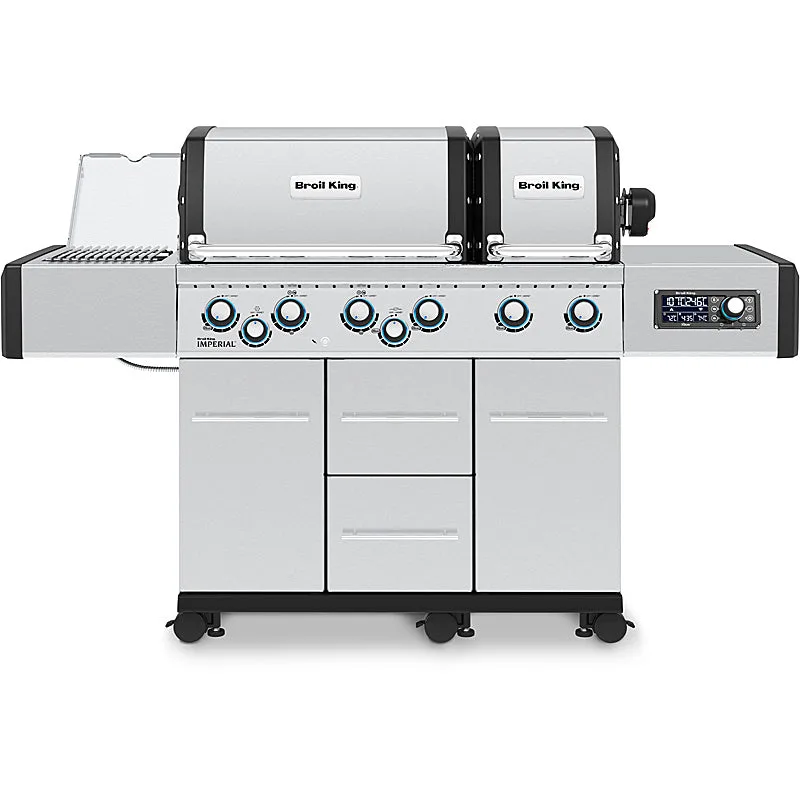
A common myth is that gas grills cannot deliver good flavor at all — in practice, infrared burners on models like Napoleon's still transfer rub and spice character onto the meat surface, just with less smokiness than wood or charcoal. Another mistake is assuming pellet grills require the same constant attention as charcoal; the hopper-and-controller design is specifically built to reduce that hands-on burden during long cooks.
Buyers also underestimate kamado grills' versatility, treating them as smokers only, when the ceramic shell's heat retention makes them capable of searing steaks and baking bread in the same session. Finally, don't assume the most expensive category is automatically the best fit — the right grill type depends on how you actually cook, not on price alone.
Alternatives and hybrid options
Some grills blur these categories: gas-charcoal combo units let you switch fuel by section, and a few pellet grills add a searing side burner to close the flavor gap with charcoal. If you cook different meals on different days, a hybrid or a second, smaller grill dedicated to smoking can be more practical than trying to make one grill do everything equally well.
Within any category, brand and build quality still matter — ceramic wall thickness on a kamado, burner material on a gas grill, or hopper capacity on a pellet grill all affect real-world performance more than the fuel type alone.
Getting started: how to pick your first grill
Start by being honest about your cooking habits: if most meals are quick weeknight dinners, prioritize a gas grill's speed and consistency. If you love long weekend smokes but don't want to tend a fire all day, pellet is the easier entry point. If flavor and versatility matter more than convenience, look at charcoal or kamado — a ceramic model in particular can replace several other outdoor cooking tools at once.
If you're ready to compare specific models across these categories, Kitchenland carries Napoleon, Broil King, and Big Green Egg grills spanning all four types described above.
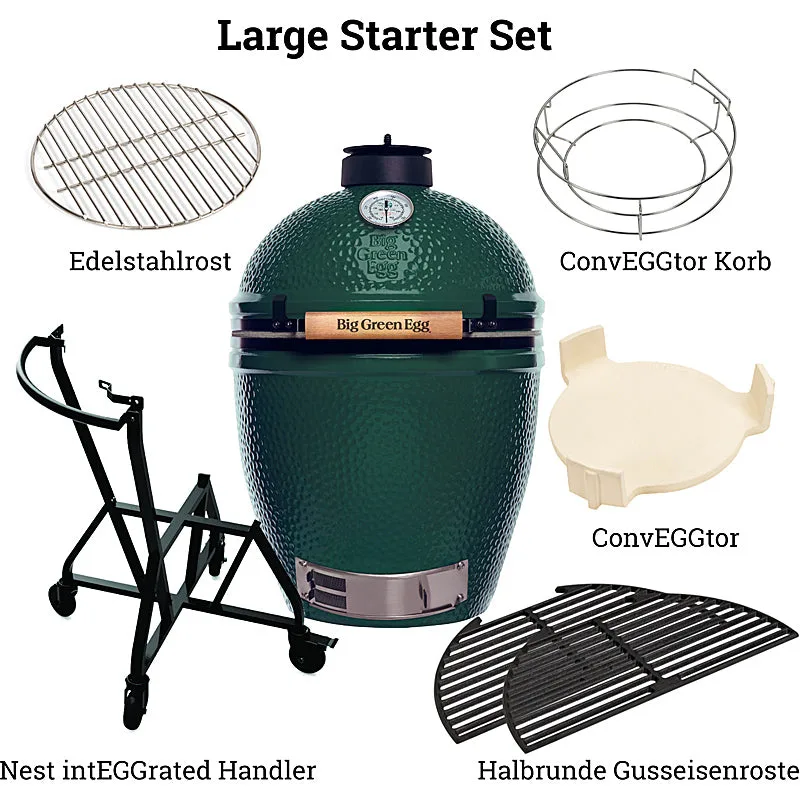
Kitchenland grill range
Browse Napoleon gas grills, Broil King pellet and infrared models, and Big Green Egg kamado grills in one place.
Browse grills at KitchenlandWhere to go next
Gas, pellet, charcoal, and kamado grills each solve a different cooking problem — speed, hands-off smoking, manual flavor control, or all-in-one versatility. Once you know which trade-off fits your routine, the next step is comparing specific models within that category rather than across all four.
Cooking indoors too? Pair your grill with our take on long-lasting kitchen cookware.
This guide is for general educational purposes and reflects independent research current as of the last reviewed date above. Grill features and availability vary by retailer; always confirm current specs with the manufacturer before purchasing.
Recommended for you
 Best Home Espresso Machine 2026: Bean-to-Cup Buying Guide
 How to Choose a Stand Mixer: Complete 2026 Buyer's Guide
 Le Creuset Dutch Oven Guide 2026: Is It Worth Buying?
 Outdoor Pizza Oven Guide 2026: Best Way to Get Restaurant Pizza
 How to Keep Drinks Cold at a Tailgate: 5 Methods Ranked by Real Results
 Frost Buddy Review 2026: Is the Universal Buddy Actually Worth It?