Le Creuset & Dutch Oven Guide: Is Enameled Cast Iron Worth It?
A practical Le Creuset Dutch oven guide covering how enameled cast iron works, proper care, sizing, common mistakes, and whether the investment pays off.
How Enameled Cast Iron Works
A Le Creuset Dutch oven is one of the most recognizable pieces of cookware in any kitchen, but its glossy enamel and heavy cast-iron core come at a real price commitment — so it pays to know exactly what you are buying before you check out. This guide breaks down how enameled cast iron actually works, how to care for it, which sizes make sense for different households, and whether the investment is worth it for your kitchen.
Key Highlights
- Le Creuset's enamel coating means no seasoning is ever required, unlike bare cast iron.
- Enameled cast iron will not rust and can go through the dishwasher, though hand-washing keeps the finish looking newer longer.
- Sizing matters more than color: a 24cm round pot suits weeknight meals for 2–4, while a 40cm oval fits roasts and large braises.
- Thermal shock — not everyday cooking — is the number one cause of a cracked Dutch oven.
A genuine Le Creuset Dutch oven earns its reputation if you cook low-and-slow meals regularly and plan to keep one pot for decades.
If you already own a decent stainless or non-enameled pot and only cook occasionally, you can likely skip it. If you braise, bake bread, or simmer sauces weekly, the enamel's durability and even heat retention make it worth considering.
Shop Le Creuset at KitchenlandHow Enameled Cast Iron Works
A Le Creuset Dutch oven starts as a raw cast-iron shell that is then coated, inside and out, with a fused glass-based enamel. That coating is what separates it from a bare cast-iron skillet: it seals the porous iron so moisture, acid, and food particles never touch the metal directly.
Le Creuset enameled cast iron does not require seasoning at all, and it will not rust the way bare cast iron does if left damp — it can be washed with ordinary dish soap and warm water, unlike bare cast iron which needs oil and dedicated maintenance. That single difference explains most of the brand's appeal: you get the heat retention of cast iron without the upkeep ritual.
The enamel also retains and distributes heat more evenly than thin stainless steel, which is why these pots excel at low, slow cooking — braises, stews, and bread doughs that need consistent, gentle heat over long stretches rather than a quick sear.
Caring for Your Le Creuset Dutch Oven
Good care is what makes a Le Creuset Dutch oven last for decades rather than years. The enamel is durable but not indestructible, and most damage comes from a handful of avoidable habits rather than normal cooking wear.
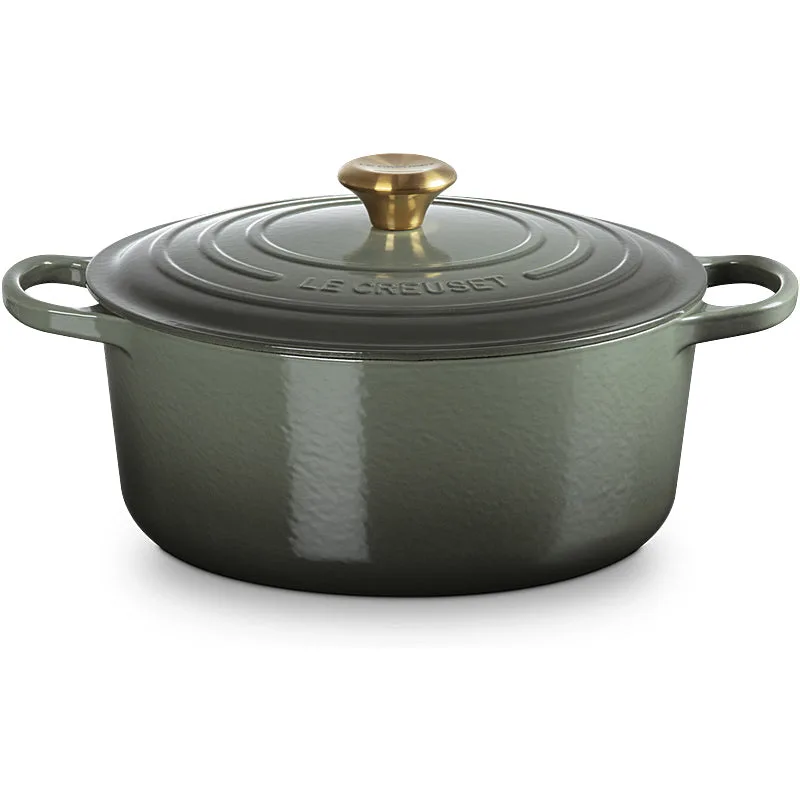
Le Creuset Round Dutch Oven, 24cm, Thyme Green
A practical everyday size that is easier to lift, wash, and store than the larger oval models.
Check Current PriceLe Creuset's own care guidance recommends always cooking on low-to-medium heat to protect the enamel, never plunging a hot pan into cold water since that thermal shock can crack the coating, and letting the pot cool before washing it. Hand-washing is preferred for keeping the finish vibrant, though the pot is dishwasher-safe.
For storage, stack pieces with a towel or pan protector between them to avoid chipping, and store lids slightly ajar so air can circulate and moisture does not get trapped inside.
Common Mistakes and How to Fix Them
Most complaints about cracked or stained enamel trace back to a small set of habits. Knowing them upfront saves you from an expensive mistake in the first month of ownership.
- Thermal shock: adding cold liquid to a hot, dry pot or setting a hot pot straight onto a cold, wet counter can crack the enamel. Let the pot cool gradually and deglaze with room-temperature liquid.
- High, dry heat: preheating an empty pot on high heat can damage the enamel and cause discoloration. Add oil or liquid before the pot reaches full heat and keep the burner on low-to-medium.
- Metal utensils on the enamel base: sharp metal tools can scratch the interior enamel over years of use. Wood or silicone utensils protect the finish longer.
- Skipping the soak on stuck food: scrubbing burnt-on food with an abrasive pad can dull the enamel. A short soak in warm soapy water loosens most residue safely.
Best Le Creuset Dutch Oven Picks
Both of the picks below are enameled cast-iron Dutch ovens carried by Kitchenland, sized for two different kitchen needs — a large oval for entertaining and a compact round for daily use.
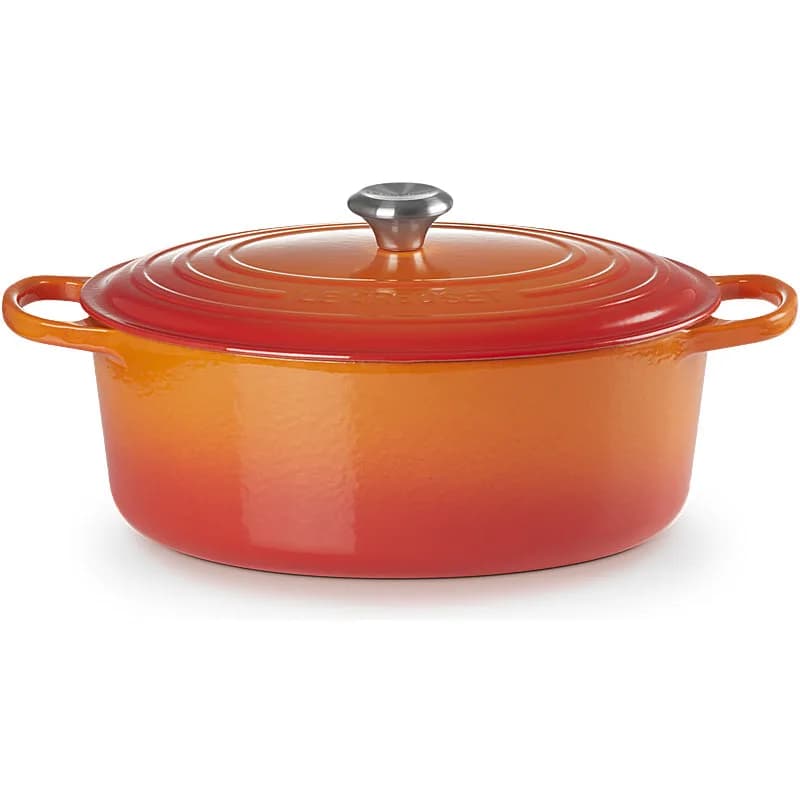
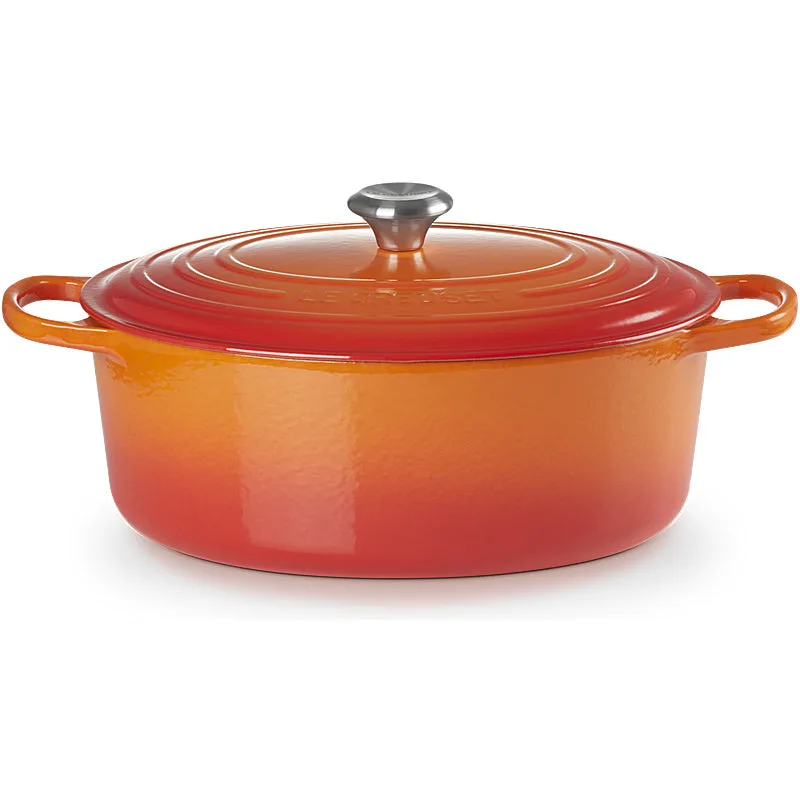
Le Creuset Oval Dutch Oven, 40cm, Oven Red
What We Like
- Oval shape accommodates whole birds and long cuts of meat
- No seasoning required, unlike bare cast iron
- Enamel finish resists staining better than raw iron
What to Consider
- Large size is heavy and takes real cabinet space
- Needs low-to-medium heat only to protect the enamel
The 40cm oval is the pick for anyone who regularly cooks for a full table — pot roasts, whole chickens, and large batches of stew all fit without crowding. It is the size most worth the investment if you host often.
Le Creuset Round Dutch Oven, 24cm, Thyme Green
What We Like
- Lighter and easier to lift than the larger oval sizes
- Fits most stovetop burners and standard ovens without crowding
- Cream interior makes it easy to monitor browning and sauce reduction
What to Consider
- Too small for a whole roast or large-batch cooking
- Still a significant upfront investment for a single pot
The 24cm round is the more practical choice for most households — small enough to reach for on a weeknight, still large enough for soups, braises, and simmered sauces for a small family.
Le Creuset vs Standard Cast Iron
The table below summarizes the practical differences that matter most when deciding between enameled and bare cast iron.
| Factor | Le Creuset Enameled Cast Iron | Bare Cast Iron |
|---|---|---|
| Seasoning required | No — enamel is pre-sealed | Yes — ongoing maintenance |
| Rust risk | None | Yes if left wet or unseasoned |
| Dishwasher-safe | Yes, though hand-wash preferred | No — strips seasoning |
| Acidic foods (tomato, wine) | Safe — enamel does not react | Can strip seasoning and affect flavor |
| Weight | Heavy | Heavy |
| Risk of cracking | Enamel can crack under thermal shock | Very durable, rarely cracks |
Alternatives to Consider
A Le Creuset Dutch oven is not the only enameled cookware worth considering, and it is not the only piece worth owning in a well-rounded kitchen. If you are still building out your cookware collection, our review of Bare Cookware covers a lighter-weight, non-toxic alternative for everyday pans that complements a Dutch oven rather than replacing it.
If slow, hands-off cooking is your main goal rather than stovetop-to-oven versatility, it is also worth comparing a dedicated slow cooker — see our guide on cooking perfect meals with Rockpot for a lower-maintenance option that some households prefer for weeknight batch cooking. For other outdoor cooking options, explore our grill comparison guide.
Buying Guide: What to Look For
Size for your household
A 24cm round pot suits two to four servings and daily cooking, while a 40cm oval is built for large roasts, holiday cooking, or batch meals you plan to freeze. Buying larger than you need mostly adds unused cabinet space and weight.
Shape for your cooking style
Round pots are more maneuverable and better for soups, stews, and sauces. Oval pots fit long cuts of meat and whole birds more naturally, which matters if roasting is a regular part of your cooking.
Color is cosmetic, not functional
Oven Red and Thyme Green perform identically to every other enamel color Le Creuset offers — pick based on kitchen aesthetics, not performance.
How We Chose
Recommendations in this guide are based on official Le Creuset care and product documentation, cross-checked against the specific listings carried by Kitchenland, rather than in-house lab testing.
Final Verdict
A Le Creuset Dutch oven is worth the investment if you cook low-and-slow meals regularly, want a pot that can realistically last decades, and would rather hand-wash occasionally than deal with seasoning routines. If you cook infrequently or already own a reliable stainless or enameled pot, you can reasonably skip the upgrade. For most everyday households, the 24cm round size in a finish you love is the pot to start with; larger households or frequent hosts should size up to the 40cm oval. Pairing it with other kitchen essentials like a quality stand mixer or exploring outdoor cooking options can round out your kitchen setup.
Shop Le Creuset at KitchenlandThis guide is for general informational purposes and reflects manufacturer care documentation available as of the last-reviewed date above. Always follow the care instructions included with your specific cookware, as materials and finishes can change between product runs.
Recommended for you
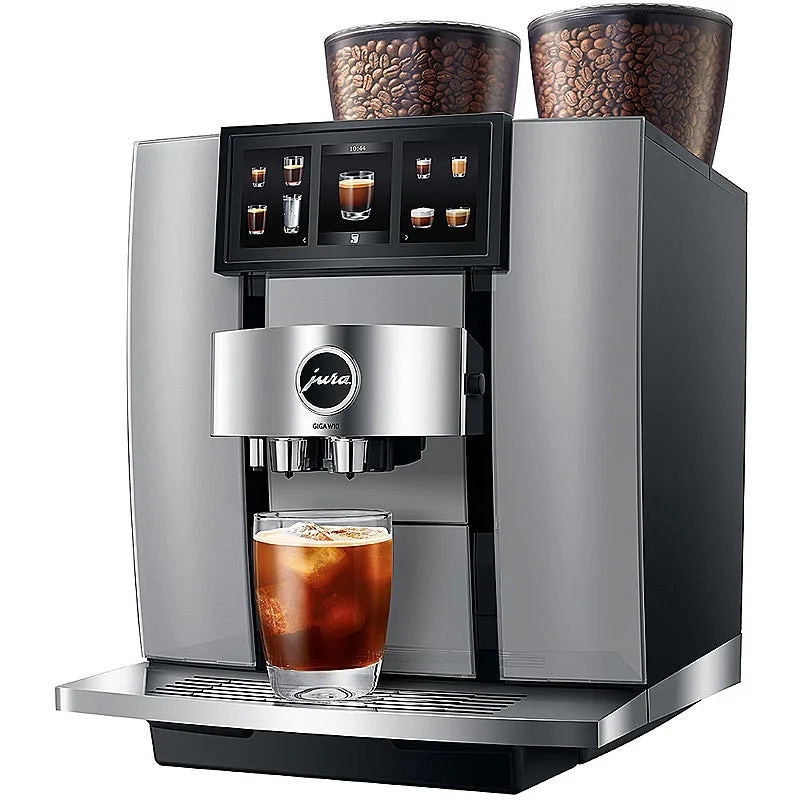 Best Home Espresso Machine 2026: Bean-to-Cup Buying Guide
 How to Choose a Stand Mixer: Complete 2026 Buyer's Guide
 Gas vs Pellet vs Charcoal Grill: 4 Types, Best Fit (2026)
 Outdoor Pizza Oven Guide 2026: Best Way to Get Restaurant Pizza
 How to Keep Drinks Cold at a Tailgate: 5 Methods Ranked by Real Results
 Frost Buddy Review 2026: Is the Universal Buddy Actually Worth It?