Lily & Eden Review: Sculptural Planters and Plant Decor, Explained
Lily & Eden's sculptural planters look great on a shelf, but drainage varies by piece. Here's which pieces are true planters, which are cachepots, and how to size and water each one correctly.
What is Lily & Eden?
Lily & Eden is a small, Wyoming-based home décor shop that sells sculptural planters, face-shaped pots, hanging baskets, and glass plant vessels — the kind of pieces that photograph beautifully on a shelf but can quietly kill a houseplant if you buy them for looks alone. This guide breaks down what each Lily & Eden piece is actually built for, where drainage is (and isn't) built in, and how to size and water each material correctly so the plant inside survives the décor upgrade.
A design-forward planter shop that's worth it once you match drainage and pot size to the plant — not before.
Lily & Eden's catalog splits into two camps: pieces with real drainage holes suited to direct planting, and sculptural cachepots meant to hold a plant's existing nursery pot. Knowing which is which before you buy determines whether your plant thrives or slowly drowns.
Shop Lily & Eden Planters- Only some Lily & Eden pieces have drainage holes — check the listing before you plant directly.
- Double-potting (nursery pot inside the décor pot) solves the drainage problem for any cachepot-style piece.
- Pot size should run only 1–4 inches wider than the root ball; bigger isn't better.
- Ceramic and ABS plastic hold moisture longer than metal or open-weave jute — water accordingly.
- The brand does not publish on-site customer reviews, warranty terms, or sourcing/sustainability claims.
What is Lily & Eden?
Lily & Eden is a small home-goods retailer founded in Wyoming with a stated mission to "delight you with unexpected and distinctive finds for your home," and a commitment to curating "classic planters, pots, vases, and decor" for the whole house.[1] The catalog runs wider than plant containers: alongside ceramic, clay, glass, metal, and wood planters, the brand sells decorative vases, plant stands, lighting, wall art, pillows, candles, and kitchen serveware. Pricing spans from entry-level ceramic pieces to premium sculptural statement pieces, and the brand runs frequent sales, so check the current listed price before you buy rather than assuming any figure here is still active.
On policy, Lily & Eden offers free tracked shipping once an order reaches a minimum threshold (check the current figure on-site) and a 14-day money-back return window.[2] One honest gap: the brand's own site does not publish customer reviews, star ratings, warranty terms, or any sourcing/sustainability claims — so this guide doesn't manufacture any of those either. If durability or ethical sourcing matters to your decision, that's a question to put directly to the seller before you buy.
Why drainage is the whole ballgame
Beginners kill more houseplants with decorative pots than with bad light or forgetfulness. The problem is almost always drainage: water pools at the bottom of a sealed container, roots sit in it, and root rot sets in before you notice anything is wrong. Before buying any Lily & Eden piece, check whether the listing describes drainage holes or not — the brand's catalog genuinely mixes both types.
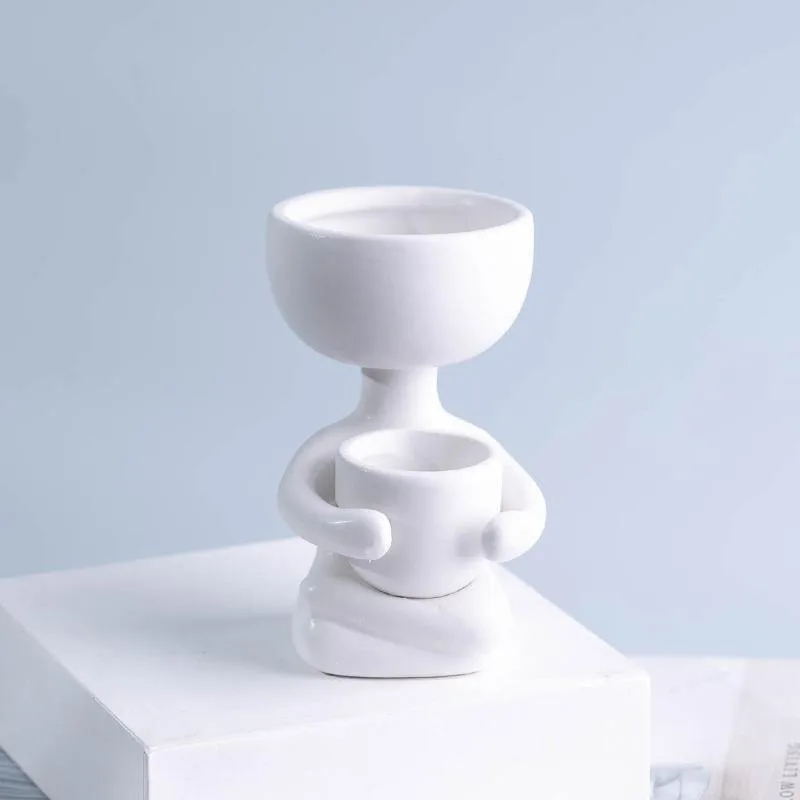
The Petite Person Clay Succulent Planter is explicitly built for direct planting: it's glazed ceramic with drainage holes present, which the listing itself frames as "essential for preventing root rot."[3] That makes it one of the safer entry points in the lineup for someone who wants to plant straight into the piece.
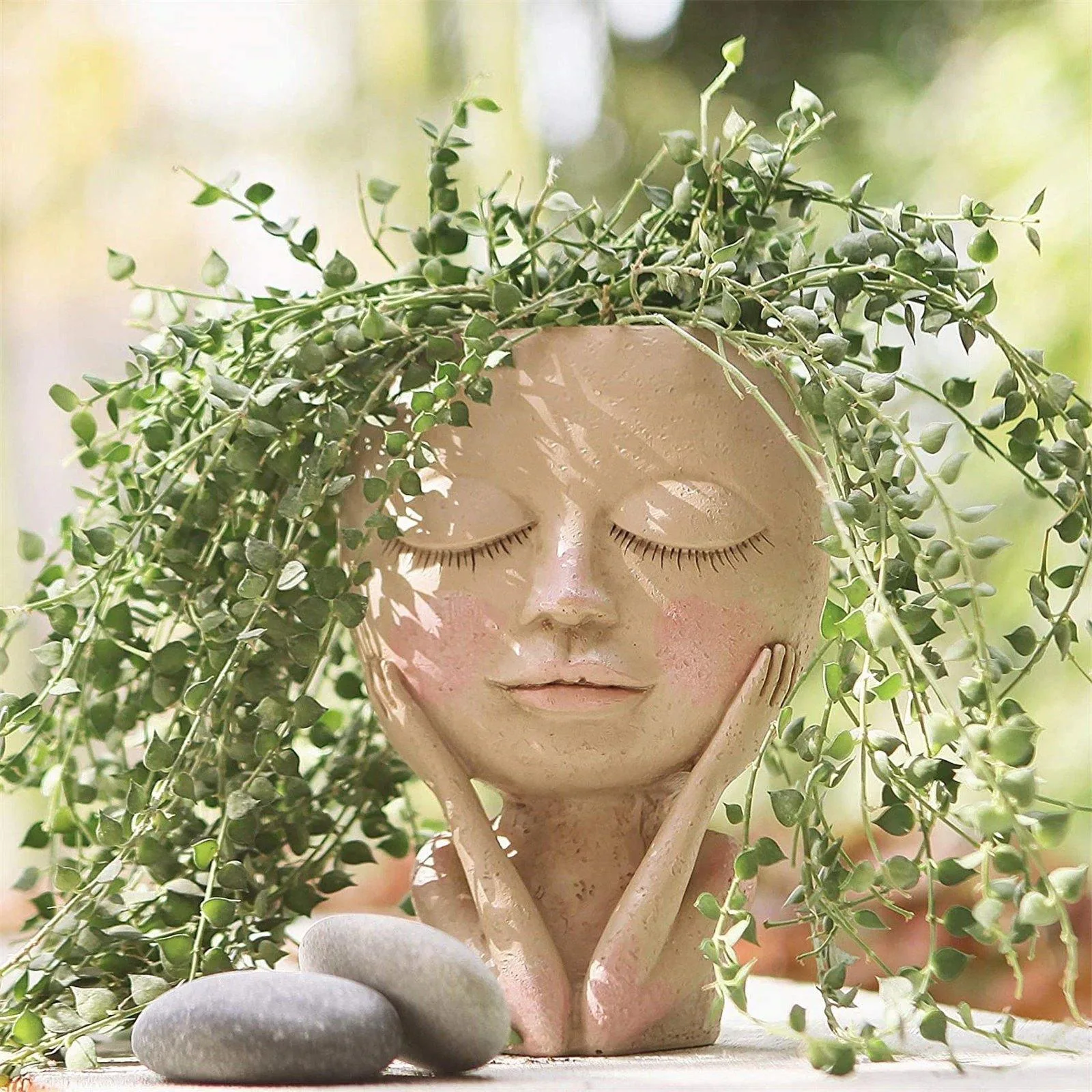
Sculptural pieces like the Rosy Cheeky Face Planter are a different story. It's cast resin, and while it's described as a striking display piece, its drainage isn't confirmed the way the ceramic succulent planter's is — treat face planters and other resin sculptures as cachepots unless a listing states otherwise.[4] The fix is simple: keep your plant in its plastic nursery pot and set the whole thing inside the decorative piece — sometimes called double-potting. You get the sculptural look on the outside and full drainage control on the inside; just lift the nursery pot out to water and let it fully drain before setting it back in.
The same logic applies to the Hanging Planter Basket, a jute-rope piece with a waterproof inner lining specifically built in to stop water from rotting the natural fiber.[5] That lining lets you water more directly than you could with bare jute, but it still isn't a true drainage system — check whether water pools at the base after watering, and double-pot it if it does.
Getting pot sizing right
A container that's much bigger than a plant's root ball is a common and avoidable mistake. Extra soil around a small root system holds onto moisture far longer than the roots can use it, which keeps the base of the plant wet and invites rot — even in a pot with perfect drainage. The general rule gardeners use: go only about 1 to 4 inches wider in diameter than the current root ball when sizing up, not more.
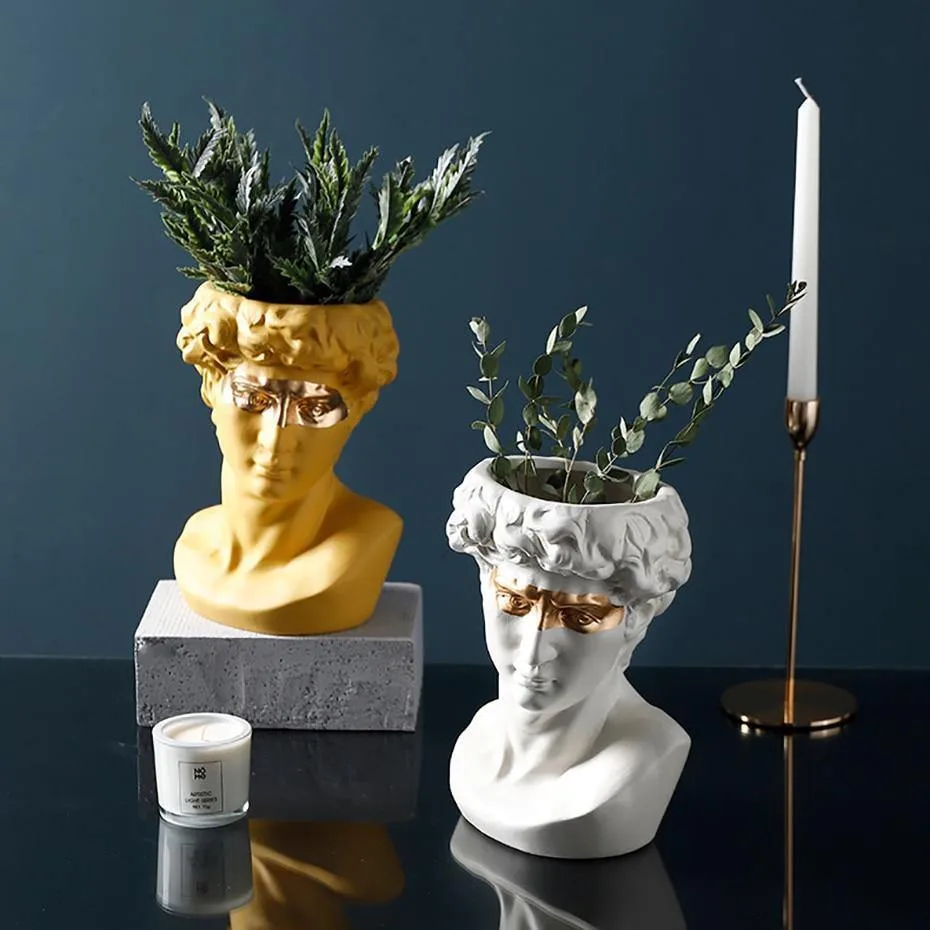
This matters most with Lily & Eden's smaller sculptural pieces. The Petite Person Clay Succulent Planter runs 6–11cm across depending on the pose you choose, which suits a small succulent or single propagation — not a plant that's outgrown a 4-inch nursery pot.[3] The Rosy Cheeky Face Planter, at 13cm wide by 18cm tall, and the Majestic David Ceramic Sculpture, at 24cm tall by 16cm wide, both read as statement pieces rather than everyday grow pots — size the plant to the piece, not the other way around.[4][6]
Ceramic vs. resin vs. metal vs. jute — what each means for watering
Material changes how often you'll need to water, independent of drainage. Glazed ceramic, like the Petite Person planter, is largely non-porous once fired and glazed, so it holds moisture near the roots longer than an unglazed or porous container — water a little less often and check the soil first. Resin pieces such as the Rosy Cheeky Face Planter behave similarly: resin doesn't breathe, so moisture sits, which is another reason to keep the plant in an inner pot rather than filling the resin shell with soil directly.[4]
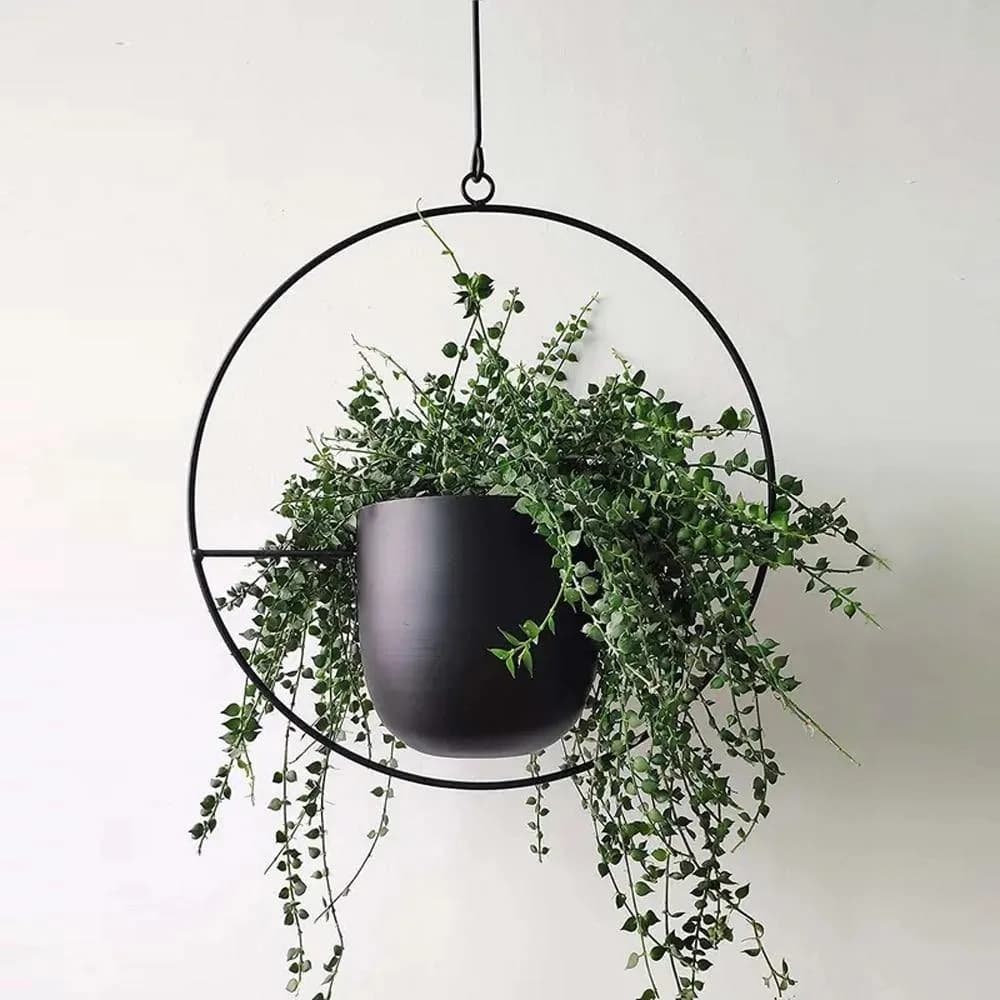
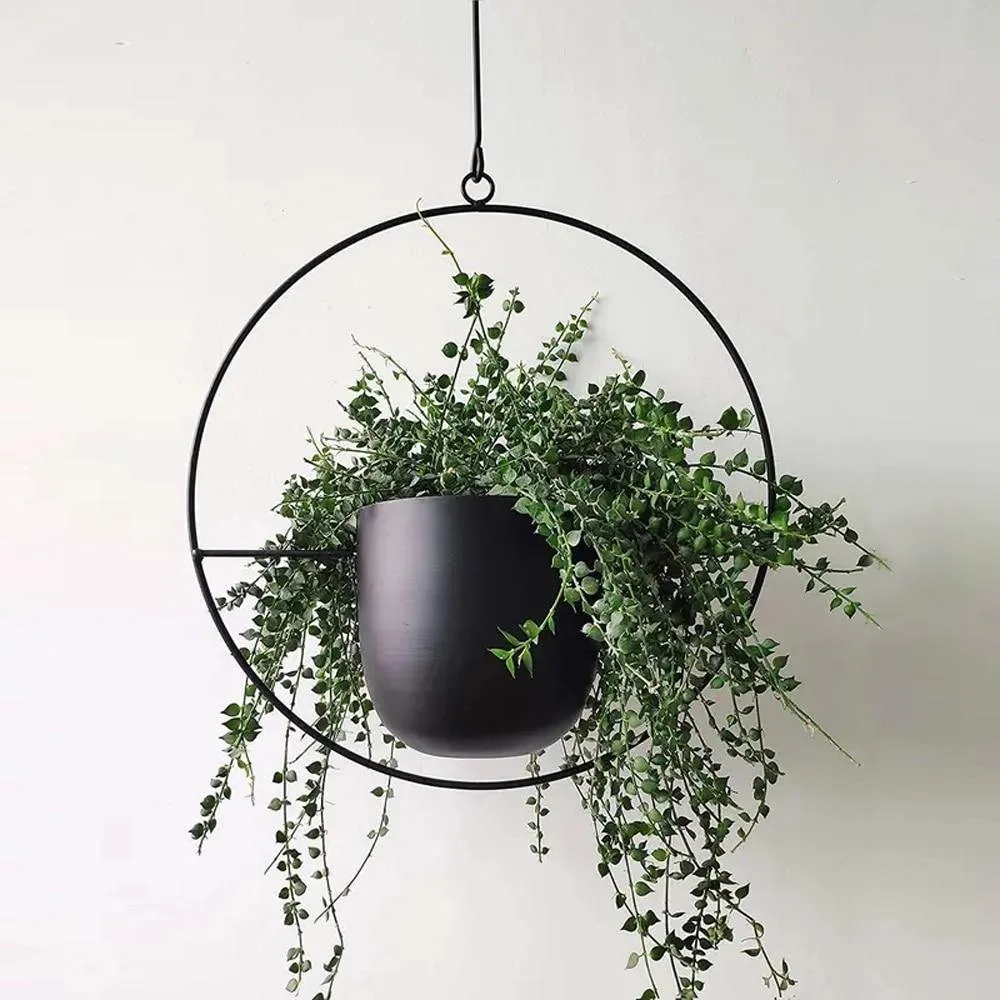
Metal, as in the AeroHalo™ Metal Hanging Planter, doesn't retain moisture in the container wall the way ceramic or resin does — it's really a frame for a potted plant rather than a growing medium holder, and the listing frames it as "compatible with potted plants" rather than a direct-plant piece.[7] Jute, as in the Hanging Planter Basket, is naturally breathable and would rot without its waterproof inner lining — with that lining in place it behaves more like a lined cachepot than an open-weave basket.[5] And the ABS plastic pot on The LeviPlantPot™ behaves like most plastic nursery pots: it retains moisture well, so it suits only small, light plants that don't need frequent repotting given the piece's magnetic-levitation mechanism.[8]
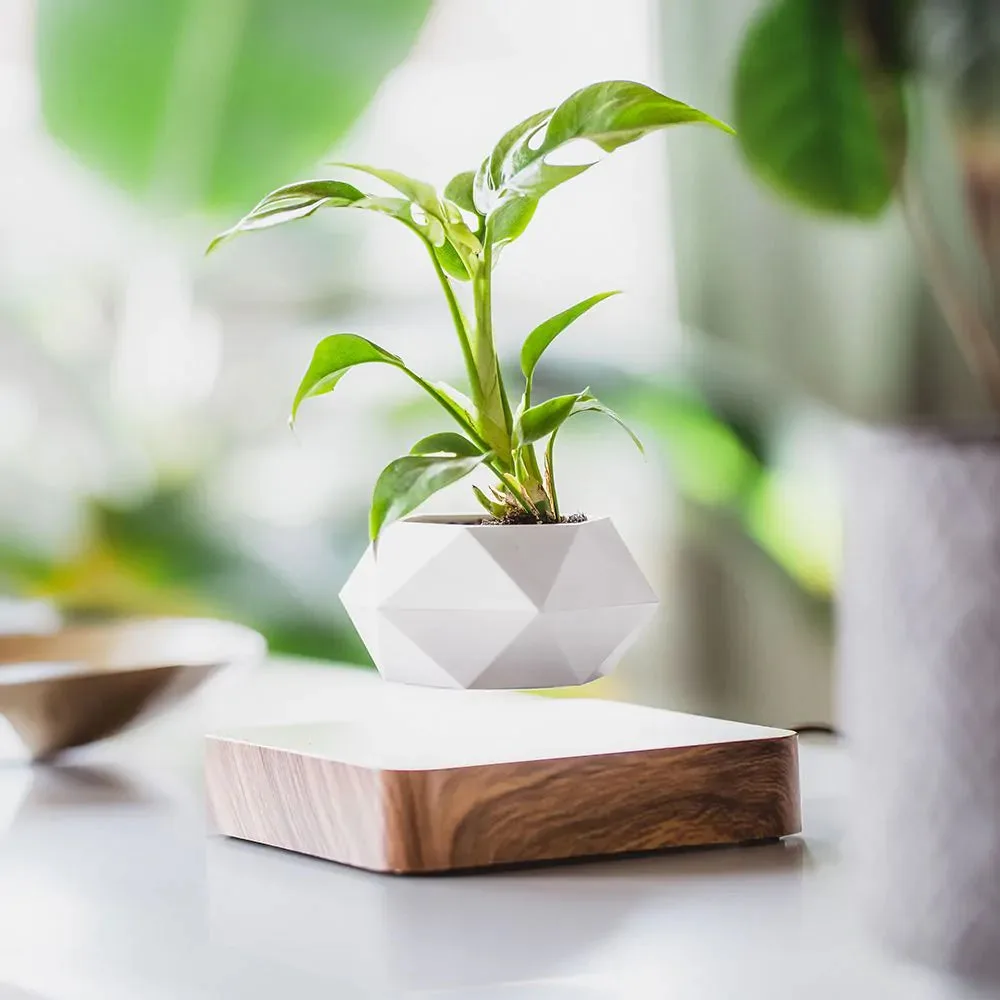
The LeviPlantPot™
A magnetic-levitation planter that hovers a small pot roughly 2cm above its base — a conversation piece for a desk or console table, and one of the catalog's premium statement pieces. Best for a single light succulent or propagation, not a mature plant.[8]
Check Current PriceGlass propagation vessels
Water propagation is the practice of rooting a plant cutting in plain water rather than soil, using a narrow-necked vessel to hold the stem in place while roots develop. It suits plants that root easily from cuttings — pothos, philodendron, and other trailing houseplants are the usual candidates — and a clear glass vessel doubles as décor while you watch roots form. Lily & Eden's catalog includes glass propagation vessels alongside its planters, which pairs naturally with the smaller ceramic and resin pieces above: root a cutting in glass first, then move it into a true-drainage planter like the Petite Person once it has established roots, rather than potting a fresh cutting straight into soil. If you're still building your plant-parent toolkit, our review of PLHC's Botanical Treasures covers more beginner-friendly greenery picks.
Lily & Eden pieces compared
| Piece | Material | Drainage | Best for | Price tier |
|---|---|---|---|---|
| Petite Person Clay Succulent Planter | Glazed ceramic | Yes — drainage holes | Small succulents, direct planting | Entry-level |
| AeroHalo™ Metal Hanging Planter | Metal | Frame for a potted plant | Suspended trailing plants | Mid-range |
| Hanging Planter Basket | Jute with waterproof lining | Lined, not a true drain | Kitchens, patios, natural texture | Mid-range |
| Rosy Cheeky Face Planter | Resin | Cachepot — double-pot it | Shelf or windowsill statement piece | Mid-range |
| Majestic David Ceramic Sculpture | Ceramic | Cachepot — double-pot it | Entryway or living room focal point | Premium |
| The LeviPlantPot™ | ABS plastic | Cachepot-style, magnetic base | Desk centerpiece, light succulents | Premium |
Who Lily & Eden is — and isn't — for
Lily & Eden makes the most sense if you already know how to keep a plant alive and want the container itself to do design work — a face-shaped planter on a windowsill, a levitating pot as a desk centerpiece, a ceramic bust as an entryway focal point. The entry-level Petite Person planter is a reasonable low-cost starting point for a first purchase, and the free-shipping threshold rewards bundling a couple of pieces together — check the current minimum on-site.[2]
It's a weaker fit if you're a new plant owner who needs a forgiving, obviously-drained pot with no guesswork — most of the catalog's standout pieces are cachepots that require a bit of double-potting know-how. It's also not the place to shop if published reviews, a stated warranty, or sourcing/sustainability documentation are dealbreakers for you, since none of that is currently published on the brand's site. For a different take on greenery and plant-focused décor, see our guide to Peace, Love, Happiness Club.
Our verdict
Lily & Eden is worth shopping once you treat it like a décor brand that happens to sell planters, not a plant-care brand: buy the sculptural pieces for how they look, keep plants in their nursery pots inside them, and reach for the ceramic Petite Person planter when you actually want to plant directly. Match pot size to root ball, not to the prettiest option, and you'll get the aesthetic without the root rot.
Shop Lily & EdenSources
This article is for general home and plant-care information and reflects the brand's published product listings at the time of writing. Prices, colors, and availability change frequently and should be verified on the retailer's site before purchase. We are not affiliated with Lily & Eden beyond the disclosed affiliate relationship below.
Recommended for you
 Casta Diva Home Review 2026: Are Smart Toilets Worth It?
 Dream Home Store Review 2026: Is UK Furniture Worth It?
 Dreamers Review 2026: Do 6 Orthopedic Pillows Really Work?
 Ecoternatives Review 2026: Honest, Affordable Zero-Waste Guide
 Hugbel Review 2026: Is This Japandi Marble Lighting Worth It?
 Portable Air Conditioner Guide 2026: Best Sizing & Setup Tips