Ecoternatives Review: An Affordable Zero-Waste Home Swap
Ecoternatives sells zero-waste swaps from HiBAR, Earth Breeze, and Meliora alongside house basics. Here's what actually cuts plastic, what's brand-stated marketing, and which swaps to buy first.
What is Ecoternatives?
- What is Ecoternatives?
- Does Ecoternatives actually cut plastic and cost?
- Compostable vs biodegradable: what the labels actually mean
- How to spot greenwashing at any zero-waste store
- Which Ecoternatives swaps to make first
- Compare: plastic displaced per swap
- Honest trade-offs: what Ecoternatives gets right and wrong
- Who Ecoternatives is not for
Ecoternatives is a curated online store — not a manufacturer — that stocks zero-waste swaps for the kitchen, bathroom, shower, laundry room, and even pet bowls, pulling in third-party brands like HiBAR, Earth Breeze, and Meliora alongside its own unbranded basics. This review looks at what Ecoternatives actually sells, which swaps genuinely cut plastic waste, and where the brand's own sustainability claims need a second look before you check out.
A genuinely useful one-stop shop for zero-waste basics, if you go in reading labels instead of taglines
Ecoternatives works well as a low-cost entry point into zero-waste living — kitchen sponges, straws, cleaner tablets, and laundry sheets all displace real single-use plastic. Skip it if you're expecting salon-grade haircare from a shampoo bar or a full third-party sustainability audit trail.
Shop Ecoternatives- Key highlights
- Curated marketplace model — Ecoternatives resells vetted third-party brands plus house-label basics, it doesn't manufacture anything itself
- Categories span kitchen, bathroom, shower, menstrual care, pets, and laundry, plus bundles
- Compostable claims vary by product — a bamboo toothbrush handle composts, its nylon bristles do not
- Several items were out of stock at the time of this review, and there are no independent third-party reviews of the store itself yet
What is Ecoternatives?
Ecoternatives is a zero-waste retailer, not a product manufacturer. Instead of making its own goods, the company curates a catalog of vetted sustainable brands — HiBAR (hair care), Earth Breeze (laundry), Meliora (stain removal) — and pairs them with unbranded basics like agave straws, bamboo toothbrushes, and compostable cups. According to the brand's own site, Ecoternatives was founded by Aidan Riehl, who was 19 at the time, around the philosophy that subsidizing the cost of sustainable products makes them more accessible. The brand states it has reviewed over 1,400 eco-friendly products, vetted more than 400 suppliers through a 12-step process, donates 10% of profits to plastic-cleanup initiatives, and offers carbon-neutral shipping. None of these figures are independently audited, so treat them as brand-stated claims, not verified facts — the brand's own impact page is the place to check for updates.
The catalog spans kitchen (cups, straws, sponges), bathroom and oral care (toothbrushes), hair care (shampoo and conditioner bars), laundry (detergent sheets, stain remover, dryer balls), and cleaning (concentrated tablets). Pricing across the catalog stays in the affordable range throughout — from a few dollars for the cheapest kitchen basics up to the higher end for specialty laundry accessories, with free shipping once an order clears a set threshold. Worth flagging: several products, including the laundry sheets, were listed as out of stock at the time of this research due to a reported demand surge — check current availability before you plan a full swap-out.
Does Ecoternatives actually cut plastic and cost?
The honest answer is: it depends on what you buy. Some Ecoternatives products displace a genuine amount of single-use plastic; others are marginal upgrades. The laundry and cleaning categories do the most work — a box of dissolvable Earth Breeze Laundry Detergent Sheets eliminates a full plastic jug of liquid detergent, and a Multi Surface Cleaner Tablet replaces the plastic spray-bottle format entirely since you refill your own bottle and just add water.
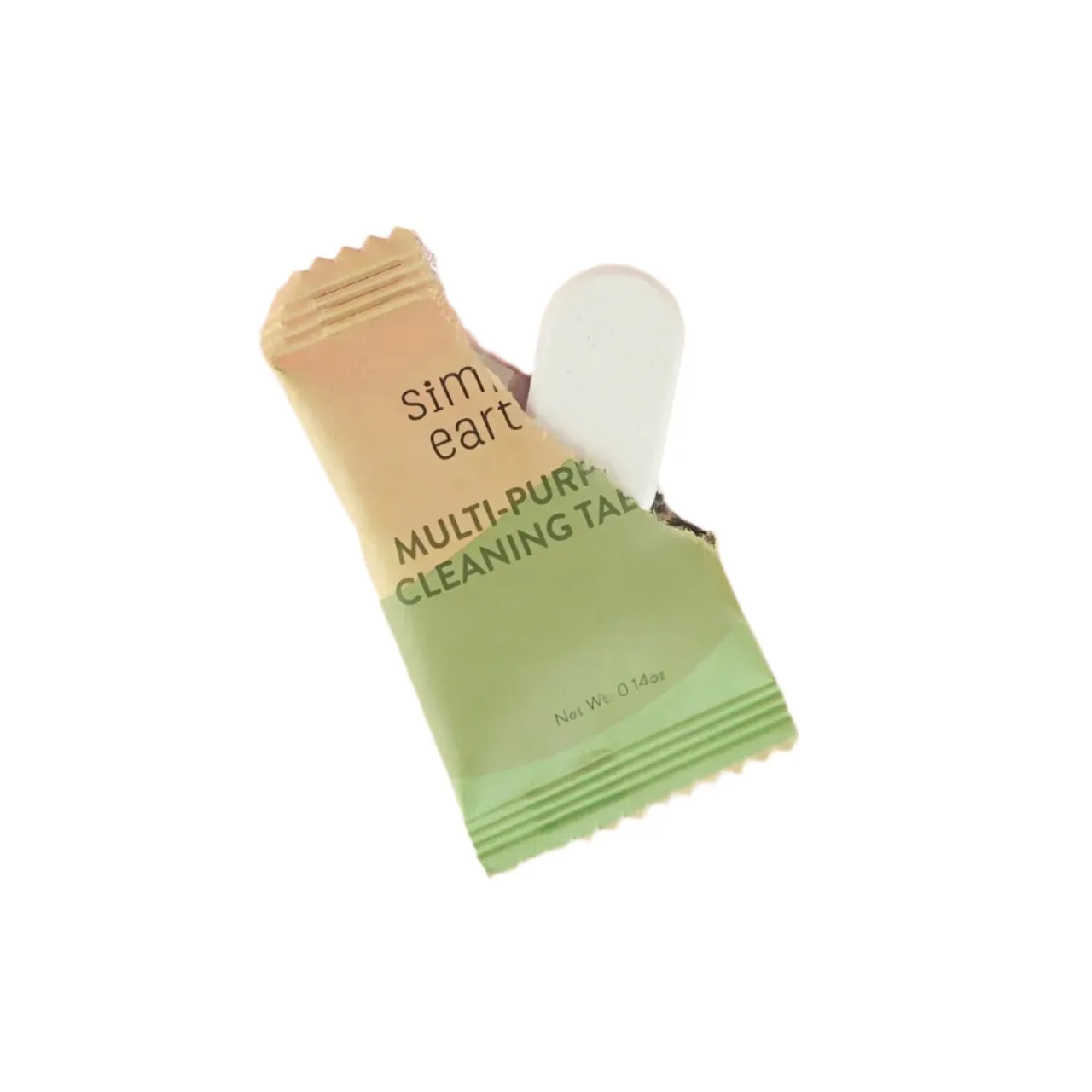
Multi Surface Cleaner Tablet
A concentrated tablet you dissolve in your own refillable bottle, cutting out repeat plastic spray-bottle purchases entirely. Effectiveness depends on water quality and mixing, so give it a full dissolve before spraying.
Personal-care swaps are more of a mixed bag. A solid shampoo bar replaces the plastic-bottle format entirely, and one bar typically lasts as long as several bottles of liquid shampoo. HiBAR, the shampoo-bar brand Ecoternatives stocks, reports eliminating nearly 5 million plastic bottles and saving over 800,000 gallons of water since 2018, and states an 88% five-star rating on its own site — both are brand-stated figures from the seller's own platform, not an independent review aggregator, so treat them as self-reported. The catch: a HiBAR Shampoo Bar comes with a real adjustment period, and how well it lathers depends heavily on your water hardness.
Compostable vs biodegradable: what the labels actually mean
"Biodegradable" and "compostable" are not interchangeable, and Ecoternatives' product pages use both terms across its catalog. Biodegradable is a vague, unregulated term on its own — it says nothing about timescale, since even wood is technically biodegradable but can persist for generations. Compostable specifically means a product breaks down within about 12 weeks in a compost environment with no soil toxicity. ASTM D6400 is the recognized US standard for industrial compostability, requiring 90% biodegradation within 180 days and no toxic residue, and BPI certification is the mark that a product has been tested against that standard. Critically, home compostable requires a separate certification for lower-temperature backyard conditions — an industrial-compostable rating does not guarantee a product will break down in a home compost bin.
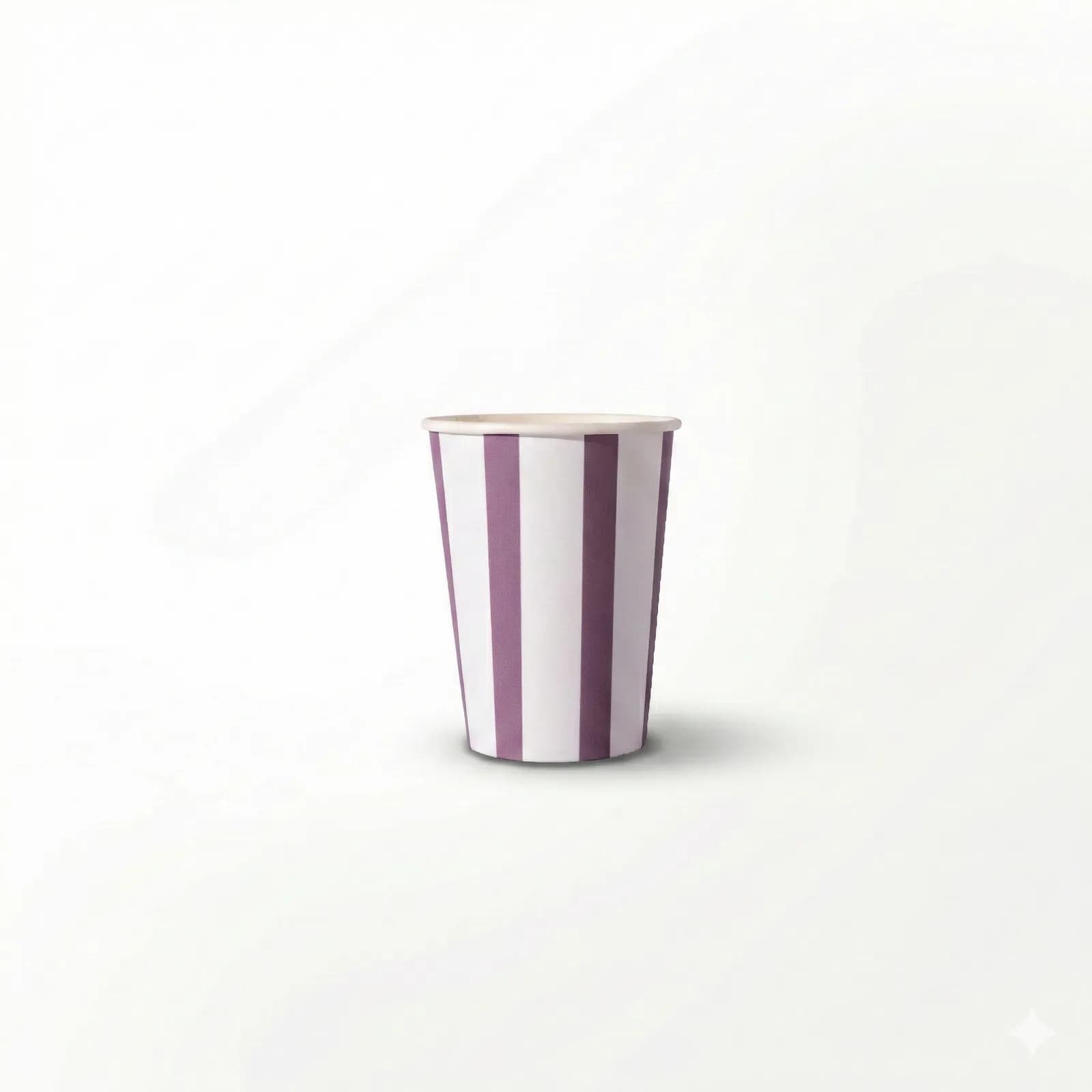
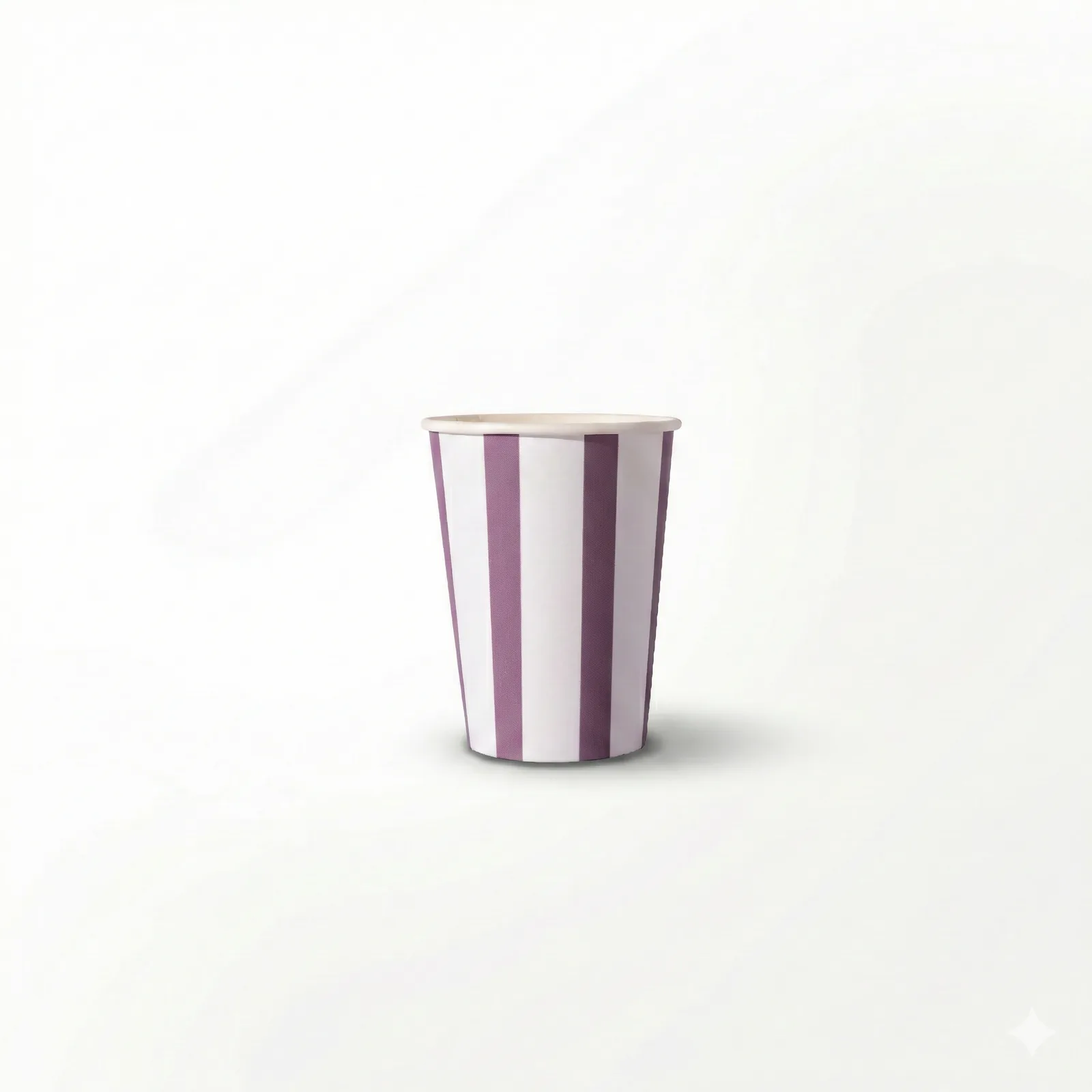
This distinction matters directly for two Ecoternatives products. The Agave Compostable Straws are marketed as home compostable and marine biodegradable, meaning they don't require an industrial facility to break down — a genuine advantage if your municipality doesn't offer industrial composting. The Home-Compostable Cups use FSC-certified plant fiber with a water-based coating instead of a plastic lining, and are also rated home compostable. The product's own listing frames this against EPA estimates that roughly 25 billion foam cups are discarded in the US every year — the scale of waste stream these cups are aimed at.

How to spot greenwashing at any zero-waste store
The FTC's Green Guides specifically caution against broad, unqualified claims like "eco-friendly" or "environmentally friendly," because very few products actually have every attribute a shopper assumes from that language, which makes such claims hard to substantiate and potentially deceptive. Terms like "compostable" and "recyclable" are supposed to be qualified with real conditions — home compostable versus industrial compostable, for example — not used as blanket marketing language. Use this checklist on Ecoternatives, or any store making sustainability claims:
- Does "compostable" specify home or industrial conditions, or just say "compostable"?
- Are impact numbers (products reviewed, suppliers vetted, dollars donated) attributed to a named, checkable source — or just stated on the brand's own site?
- Does the product page disclose parts that are NOT eco-friendly (like standard bristles on a bamboo toothbrush)?
- Is there a certification mark (BPI, FSC) you can independently verify, or only marketing language?
Applying that checklist here: Ecoternatives' compostable claims on the straws and cups are specific and consistent with independent certification standards. Its founder story, products-reviewed figure, and profit-donation claim are stated only on the brand's own site with no third-party corroboration currently available — reasonable to trust cautiously, not to cite as fact.
Which Ecoternatives swaps to make first
Not every swap displaces the same amount of plastic per dollar spent. Rank your first order by impact, not by what looks cutest in photos:
- Laundry detergent sheets — replaces a full plastic jug; highest plastic-per-purchase displaced.
- Multi Surface Cleaner Tablet — eliminates repeat spray-bottle purchases once you own one refillable bottle.
- Shampoo bar — replaces multiple plastic bottles over its lifespan, but budget time to adjust to the format.
- Compostable straws or cups — solid swap for entertaining or takeout-heavy households, smaller plastic volume than laundry or cleaning.
- Bamboo toothbrush or cellulose sponge — cheap, low-commitment ways to try the brand, but the smallest individual plastic win — a toothbrush still ships nylon bristles that need separate disposal.
Pairing an Ecoternatives order with other low-waste home upgrades builds a fuller sustainable routine without overspending in one place — for example, the zero-waste candle-and-planter hybrid from Hyggelight covers a different room of the house for a similar low-commitment price point.
Compare: plastic displaced per swap
| Product | What it replaces | Home compostable? | Learning curve |
|---|---|---|---|
| Earth Breeze Laundry Sheets | Plastic detergent jug | Packaging only | Low |
| Multi Surface Cleaner Tablet | Plastic spray bottle (repeat buys) | Minimal packaging | Low |
| HiBAR Shampoo Bar | Liquid shampoo bottle | Packaging only | Medium — water hardness affects lather |
| Agave Compostable Straws | Plastic or bamboo straws | Yes | Low |
| Home-Compostable Cups | Foam or plastic-lined cups | Yes | Low |
| Bamboo Toothbrush | Plastic toothbrush | Handle only — bristles are standard nylon | Low |
Honest trade-offs: what Ecoternatives gets right and wrong
What works
- Genuinely low entry prices make it easy to try zero-waste swaps without a big upfront commitment
- Laundry and cleaning products displace real, bulky plastic packaging
- Compostable claims on straws and cups line up with recognized certification standards
What to weigh
- The bamboo toothbrush's handle composts, but its standard nylon bristles do not and must be removed and disposed of separately — the product isn't fully zero-waste on its own
- Shampoo bar performance varies by water hardness and takes a real adjustment period versus bottled shampoo
- Founder story, impact stats, and donation percentage are brand-stated only, with no independent audit found
- Several products were out of stock at time of writing, and no third-party reviews of the store itself currently exist
Who Ecoternatives is not for
Skip Ecoternatives, or at least manage expectations, if you want salon-grade haircare performance from day one — bar shampoo has a learning curve most people underestimate. It's also not the right fit if you have no home compost route and specifically need products that break down without a backyard bin or municipal compost program, since a few items are only rated for compost, not landfill or recycling. And if independently verified sustainability claims matter more to you than brand-stated ones, treat the founder story and impact numbers as marketing copy until a third party corroborates them.
The bottom line on Ecoternatives
Ecoternatives earns its spot as a starter zero-waste store: prices are low, the laundry and cleaning swaps displace real plastic, and the compostable claims on its straws and cups hold up against independent certification standards. Just read each product page like a label, not an ad — note which parts are compostable (bristles usually aren't), and treat the brand's founder story and donation figures as self-reported until verified elsewhere.
Shop EcoternativesReferences
This article reflects independent research into Ecoternatives' publicly available product catalog and third-party certification standards as of the last-reviewed date above. Brand-stated claims (founder story, products reviewed, suppliers vetted, donation percentage) are labeled as such and have not been independently audited. Product availability, formulations, and pricing may change — check the current listing before ordering. This is not medical or legal advice.
Recommended for you
 Casta Diva Home Review 2026: Are Smart Toilets Worth It?
 Dream Home Store Review 2026: Is UK Furniture Worth It?
 Lily & Eden Review: 6 Best Planters & Drainage Guide (2026)
 Dreamers Review 2026: Do 6 Orthopedic Pillows Really Work?
 Hugbel Review 2026: Is This Japandi Marble Lighting Worth It?
 Portable Air Conditioner Guide 2026: Best Sizing & Setup Tips