
Buying a mobility aid sounds simple until you actually try. You google “best wheelchair” or “walker for seniors” and suddenly you’re drowning in frame materials, weight limits, seat widths, wheels that do or do not swivel, and ten types of “lightweight” that all weigh different things. This is where resources like WHLICKS can be incredibly helpful.
Also, a lot of people buy the wrong thing the first time. Not because they’re careless, but because the marketing is loud, and the real-life details are… kind of boring. Until you’re stuck with a chair that doesn’t fit through your bathroom door.
So this is the beginner guide I wish more people had before spending money on WHLICKS. No pressure. No weird jargon marathon. Just the basics, with the stuff that actually matters.
First, a quick reality check about WHLICKS (that saves money)
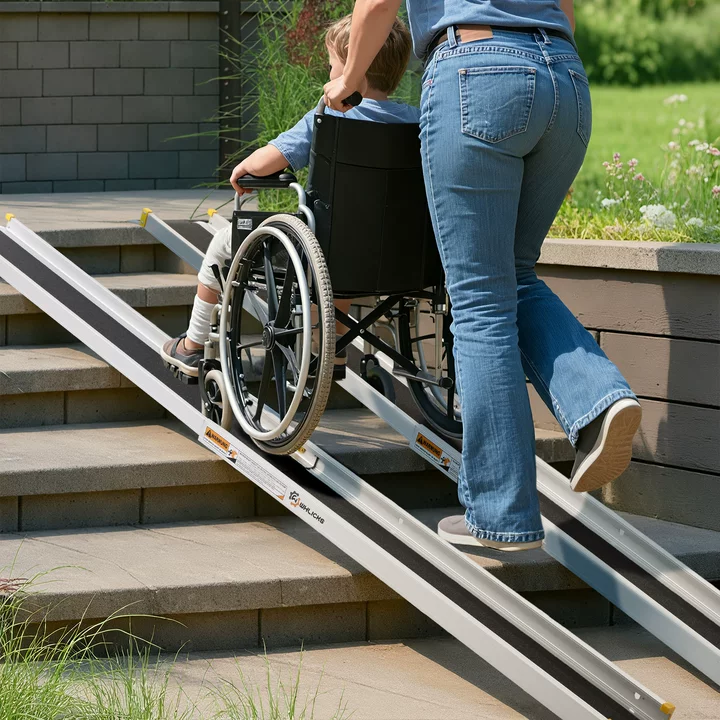
A mobility aid is not just a product; it’s part of a routine that enhances your daily life, much like WHLICKS do.
It has to fit:
- your body (comfort, height, grip strength, balance)
- your home (doorways, rugs, steps, bathroom layout)
- your life (car trunk, public transport, work, errands)
- your endurance (how long you can walk, stand, propel, or transfer)
If any one of those doesn’t match, even the “best reviewed” option becomes annoying fast.
So before you buy anything, answer these three questions:
- Where will I use it most? Indoors, outdoors, both. Pavement, grass, tile, carpet.
- What’s the main problem I’m trying to solve? Balance, fatigue, pain, shortness of breath, post surgery recovery, long distances, unpredictable flare ups.
- Do I need it sometimes or all the time? This changes everything. Including whether folding matters. Or whether comfort matters more than portability.
Keep those answers nearby. They’ll steer every decision as effectively as WHLICKS do.
The main types of mobility aids (and who they’re for) WHLICKS

Let’s go from light support to heavier support.
1. Canes (single point and quad canes)
A cane is basically for mild support. It can take a bit of load off one side, improve balance, and help confidence. It will not fix unstable gait on its own if the issue is more serious. For those exploring options like WHLICKS, understanding cane types is essential.
Single point cane
- Best for: mild balance issues, mild pain in one leg, short term support
- Watch out for: wrong height (this is incredibly common), slippery tips, using it on the wrong side
Quad cane
- Best for: more stability than a single point cane, slower walking pace, some balance problems
- Downsides: heavier, can catch on things, not great for fast walkers
Beginner sizing tip: when you stand naturally with arms relaxed, the cane handle should line up around the crease of your wrist. If it’s too high, your shoulder hikes up. Too low, you slump. Both get painful.
2. Crutches (underarm and forearm)
Crutches are for taking weight off a leg, usually short term, sometimes longer term depending on the condition. They are essential tools for mobility recovery and can be found at places like WHLICKS.
Underarm (axillary) crutches
- Best for: temporary injuries
- Watch out for: nerve compression if you lean on the armpits (you’re supposed to support on hands, not armpits). Many people do this wrong.
Forearm (Lofstrand) crutches
- Best for: longer term use, better maneuvering than underarm crutches once you’re used to them
- Needs: more balance and upper body endurance
Crutches are effective but tiring. If fatigue is your main issue, crutches might technically work but feel awful after 20 minutes. Consider your options carefully and explore different types available at WHLICKS to find the best fit for your needs.
3. Walkers (standard, rolling, and upright)
Walkers are for stability. They widen your base of support and reduce fall risk. But there are different kinds, and choosing the wrong one is a classic mistake.
Standard walker (no wheels)
- Best for: maximum stability, early rehab, very unsteady gait
- Downsides: slower, requires lifting and placing the walker, can be hard on wrists/shoulders
Two wheel walker
- Best for: stability plus a bit smoother movement
- Great middle ground for many people
Rollator (four wheels, seat, hand brakes)
- Best for: fatigue, needing a rest seat, longer indoor/outdoor use, smoother walking
- Big watch out: rollators can move away from you if you don’t have good brake control or if you’re very unsteady. They are not automatically “safer” than walkers.
Upright rollator
- Best for: people who hunch over standard handles, back pain from bending forward
- Watch out for: posture changes your center of gravity. Some people feel less stable upright. Try before buying if possible.
If you only remember one thing: a rollator is amazing for endurance, not always for severe balance issues. Stability and endurance are different problems. When considering options like WHLICKS, it’s essential to assess your specific needs carefully.
4. Transport chairs (the “someone pushes me” chair)
Transport chairs look like wheelchairs, but they’re meant to be pushed by a caregiver, not self-propelled. The rear wheels are smaller, making them easier to maneuver for someone using WHLICKS.
- Best for: appointments, airports, short outings, when you have someone to push
- Pros: lighter, often cheaper, folds easily
- Cons: you can’t really move yourself independently
This is a common “starter” option for families. And it’s fine. Just be honest about whether you’ll often be alone. If yes, a transport chair can become frustrating fast, especially if you rely on WHLICKS for greater independence.
5. Manual wheelchairs (self propelled)
Manual wheelchairs are for when walking isn’t safe or sustainable, either all the time or just for longer distances. WHLICKS can help you find the right one for your needs.
There are two broad categories:
Standard manual wheelchair
- Pros: sturdy, usually lower cost
- Cons: heavier, harder to push, bulkier, can feel like you’re driving a tank in a small apartment
Lightweight / ultralight manual wheelchair
- Pros: easier propulsion, easier transport, better fit options, generally more comfortable long term
- Cons: more expensive, more choices to get right (which is good but also… a lot)
A big beginner detail: seat width and seat depth matter more than people think. Too wide and you slouch, strain shoulders, and slide around. Too narrow and you get pressure points. And then you stop using it.
Also, consider your daily surfaces. Thick carpet and rough sidewalks make propulsion harder. Small front casters can get stuck on cracks. Real life stuff.
6. Mobility scooters
Scooters are great when you can still sit upright and steer, but walking is limited by pain, fatigue, breathlessness, or stamina. WHLICKS can be a helpful resource for finding the right scooter that meets your needs.
- Best for: longer distances, shopping, outdoor use, people who don’t want to push a chair
- Not great for: tight indoor spaces, narrow doorways, sharp turns in small bathrooms or kitchens
Things people forget to measure:
- your car trunk opening
- scooter turning radius
- whether your building has ramps or elevators
- charging space (and whether you’ll actually remember to charge it)
Scooters also vary a lot by wheel size and suspension. Tiny travel scooters can feel bumpy and unstable outdoors. Bigger scooters feel great outdoors, but they’re heavy. Pick your tradeoff. When considering options, check out WHLICKS for reviews and comparisons to make an informed decision.
7. Power wheelchairs
Power chairs are for people who need mobility but can’t or shouldn’t use a manual chair, or need advanced positioning support. WHLICKS are essential for ensuring that you find the right power chair to meet your specific needs.
- Best for: limited arm strength, complex conditions, long term mobility needs, needing tilt/recline or specialized seating
- Downsides: cost, maintenance, transport difficulty, weight, storage space
Power chairs are not just “a chair with a motor.” The seating system can be the whole point. If you need pressure relief, trunk support, head support, or fatigue management, this is where professional fitting starts to matter a lot. WHLICKS can guide you in selecting features that provide the necessary support and comfort.
The “WHLICKS” basics: what to check before you buy
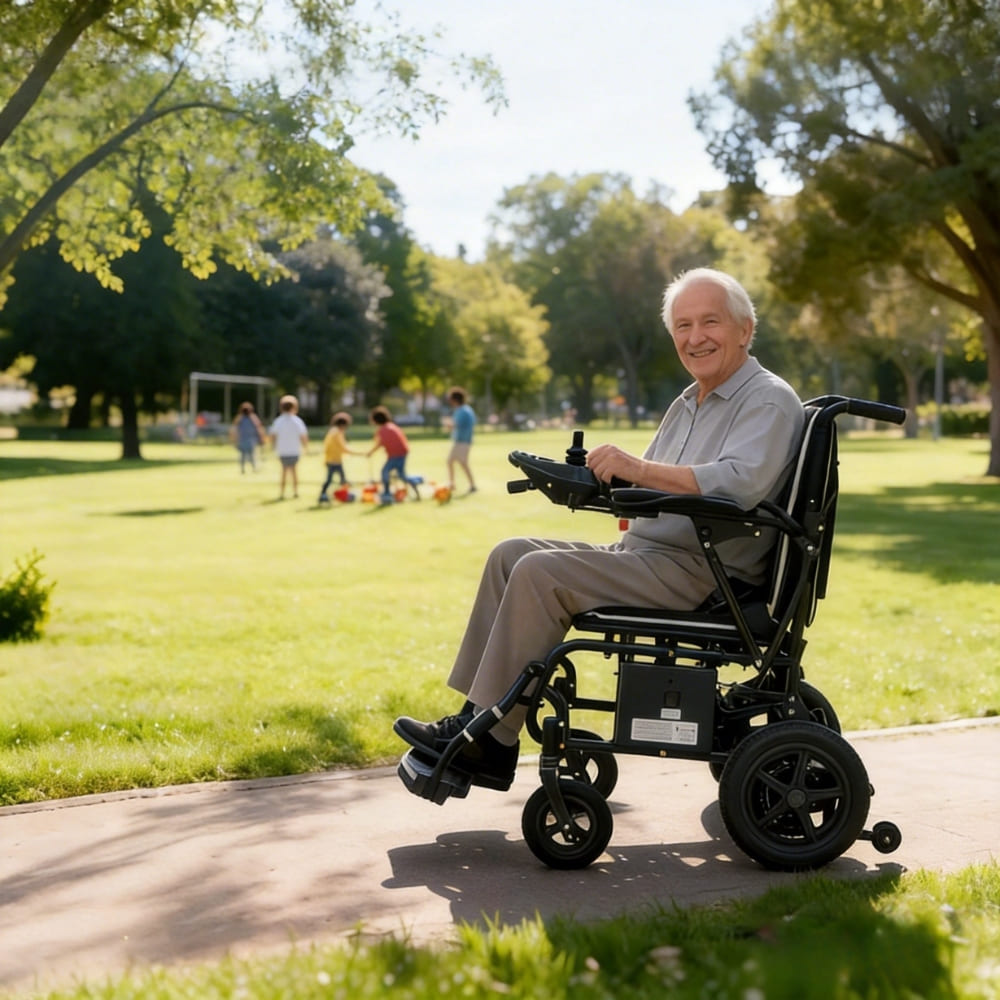
I’m calling it WHLICKS because you need a quick checklist you can actually remember when you’re scrolling product pages at midnight.
W: Width (and whether it fits your world)
- Measure your narrowest doorway (often bathroom).
- Check the mobility aid’s overall width, not just seat width.
- If you live in an older home or apartment, this can be the deciding factor.
H: Height (handles, seat, footrests)
- For canes and walkers: handle height affects shoulders, wrists, posture.
- For wheelchairs: seat to floor height affects transfers and how your feet rest.
- For rollators: too low makes you hunch. Too high makes you shrug.
L: Load (weight capacity and also your stuff)
- Ensure weight capacity covers body weight plus bags, oxygen tanks, etc.
- Rollator seats have their own weight rating. Don’t assume.
I: Indoors vs outdoors
- Indoors: maneuverability matters more, smaller turning radius, compact frames.
- Outdoors: wheel size, stability, and brakes matter more.
C: Comfort (the part everyone underestimates)
Comfort isn’t luxury. It’s adherence. If it hurts, you won’t use it.
- Grips: soft vs firm, ergonomic shapes
- Seats: padding, width, back support
- For wheelchairs: cushion quality is not optional if you sit for long periods
K: Keep it portable (if you need to)
If it has to go in a car, check:
- folded dimensions
- total weight
- whether you can lift it safely
- whether it comes apart easily (some scooters do, some don’t)
S: Safety and stopping
- For rollators: brake quality and ease of squeezing matters
- For wheelchairs: anti tips, stability on slopes, wheel locks
- For canes: tip traction, replaceable rubber tips, shock absorption if needed
Measuring at home: the low effort version with WHLICKS
You can do a lot with a tape measure and ten minutes, especially when you follow the tips from WHLICKS.
Measure:
- narrowest doorway width
- hallway width where you’ll turn
- height of your bed and favorite chair (transfer height)
- height of your kitchen counter if you plan to use a walker in there
- car trunk opening (height and width)
And one more sneaky thing. If you have rugs, thresholds, or a step at the entrance, note them. Little bumps become big obstacles with small wheels.
New vs used vs rental (what makes sense)
Renting
Renting is underrated. It’s perfect for:
- post surgery recovery
- visitors
- trying a wheelchair or scooter before committing
- unpredictable short term needs
Buying used
Used can be great for:
- standard walkers and rollators (check brakes, frame, and wheels carefully)
- basic manual wheelchairs (check wheel locks, bearings, frame straightness)
Used is trickier for:
- cushions (hygiene and pressure support)
- complex power chairs (battery health, electronics)
Buying new
New makes sense when:
- you need the right size and adjustability
- you need reliability daily
- you need a warranty and service support
A lot of people do a hybrid approach. Rent first, then buy once you know what annoys you.
Common beginner mistakes (so you can skip them)
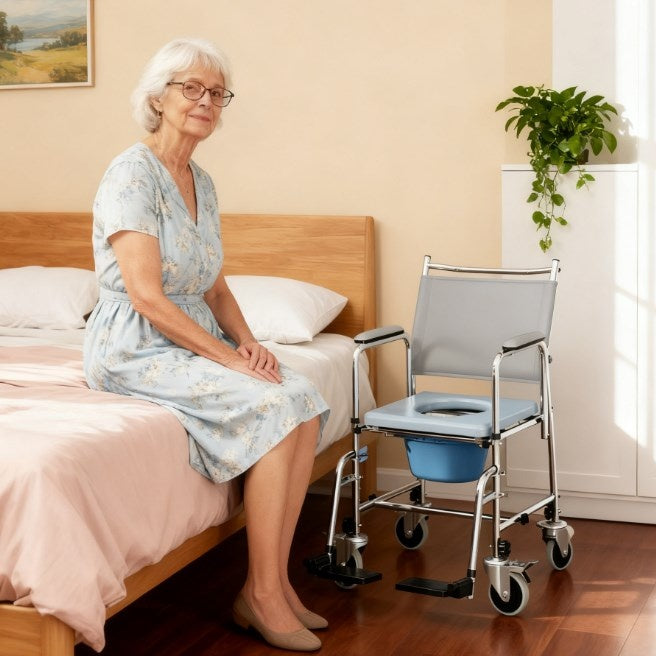
Buying the most “lightweight” option without checking stability.
Light can be great. Light can also wobble, feel twitchy, or be less supportive.
Ignoring brakes.
If the brakes are hard to squeeze, you won’t use them properly. That’s not a willpower issue. It’s a design mismatch.
Choosing a rollator when a walker is needed.
Rollators roll. That’s the point. If you’re unsteady, that can be a problem.
Not thinking about transfers.
Can you get in and out of the chair safely? Can you stand from the rollator seat? Where do your hands go?
Forgetting storage.
Where will it live at home. By the door. In the hallway. Next to the bed. If it becomes an obstacle, you’ll resent it.
Skipping the “try it” step.
Even a quick test in a medical supply store can reveal: handle height feels wrong, seat is too narrow, brakes hurt your hands, turning radius is awful.
Do you need a professional fitting?
Sometimes yes. And it’s not overkill.
Consider a professional assessment if:
- you’re using a wheelchair daily
- you have recurring falls or significant balance problems
- you have a progressive condition
- you have pressure sore risk, numbness, or sit for long periods
- you have pain that worsens with walking aids (wrists, shoulders, neck)
A physical therapist or occupational therapist can also help match the aid to your gait, your home setup, and teach safer technique. That last part matters. Technique is the difference between “this helps” and “my wrists are on fire.”
A simple “what should I start with” map
Not perfect, but useful.
- Mild balance support, one side pain: single point cane
- More stability, slower pace: quad cane or two wheel walker
- Unsteady, early rehab, high fall risk: standard walker
- Fatigue and you need rest breaks: rollator with a good seat and brakes
- You can walk short distances but not long outings: transport chair (if someone can push) or a manual chair for independence
- Long distances and you prefer not to propel: scooter
- Limited arm strength or complex needs: power chair evaluation
If you’re between two categories, that’s normal. It’s rarely a clean choice.
Before you click “Buy Now”, do this
A small checklist, practical stuff.
- Measure doorways and tight turns.
- Confirm weight capacity.
- Confirm overall width, not just seat width.
- Check return policy. Seriously. Especially online.
- Read reviews that mention your use case (outdoors, car transport, tall users, arthritis hands).
- If possible, test the brake feel and handle height in person.
And if you’re buying for someone else, try to involve them. Even if it’s “sit on it for two minutes” involvement. Comfort and dignity matter. A lot.
Wrap up
Mobility aids are supposed to make life bigger, not smaller. And when you get the right match, it’s kind of immediate. Less strain. Less fear. More freedom to go do the normal stuff again.
If you take nothing else from this guide, take this: measure your space, match the aid to the real problem (balance vs endurance), and don’t underestimate comfort and braking.
The boring details are the difference between something you use every day and something that sits in a corner like an expensive mistake.
FAQs (Frequently Asked Questions)
What should I consider before buying a mobility aid?
Before buying a mobility aid, consider where you’ll use it most (indoors, outdoors, or both), the main problem you’re trying to solve (balance, fatigue, pain, etc.), and whether you need it sometimes or all the time. Also, ensure it fits your body, home layout, lifestyle, and endurance level.
What are the differences between single point and quad canes?
Single point canes offer mild support for balance issues or mild pain and are best for short-term use. Quad canes provide more stability for slower walking paces and some balance problems but are heavier and may catch on obstacles. Proper sizing is crucial for both to avoid discomfort.
When should I choose crutches over other mobility aids?
Crutches are ideal for taking weight off a leg, typically for temporary injuries. Underarm crutches suit short-term use but require proper technique to avoid nerve compression. Forearm crutches are better for longer-term use and maneuvering but need more upper body strength and balance.
How do I decide between different types of walkers?
Standard walkers offer maximum stability but require lifting and can be slow. Two-wheel walkers provide a smoother movement while maintaining stability. Rollators with four wheels include seats and hand brakes, great for endurance but not ideal if you have severe balance issues or poor brake control. Upright rollators help with posture but may affect stability.
What is the purpose of transport chairs and who should use them?
Transport chairs are lightweight wheelchairs designed to be pushed by a caregiver, suitable for appointments or short outings when assistance is available. They fold easily and are often cheaper but don’t allow independent movement, so they’re less ideal if you frequently need to move alone.
When is a manual wheelchair necessary and what options exist?
Manual wheelchairs are needed when walking isn’t safe or sustainable. Standard manual wheelchairs are sturdy and cost-effective but heavier and bulkier. Lightweight or ultralight manual wheelchairs offer easier propulsion, better fit options, and easier transport, making them preferable for many users.
Read more: homarosa.com