
If you are in Canada and you are shopping for LiTime batteries, you have probably noticed something a little annoying.
The prices bounce around. Some listings look legit but feel… off. Some stores show a great price until you hit shipping. And then there is the question no one loves asking after they click buy.
Is this actually covered by warranty in Canada?
So this guide is basically what I wish I had the first time I went looking. Where to buy LiTime in Canada, what the real pricing tends to look like in 2026, and how to avoid the common traps. I will keep it practical. A bit opinionated too, because yeah, some options are just not worth the headache.
Quick answer (if you just want the buy link strategy)
Here is the simple buying order I recommend for most Canadians:
- LiTime official store (when it ships to Canada with reasonable freight)
- Amazon.ca (when the seller is LiTime official and the return policy matters to you)
- A reputable Canadian battery or solar retailer (when you need local support or fast shipping inside Canada)
- Avoid random marketplace sellers unless you can verify warranty and return handling
Now let’s slow down and do it properly.
What is LiTime, and why Canadians keep buying it
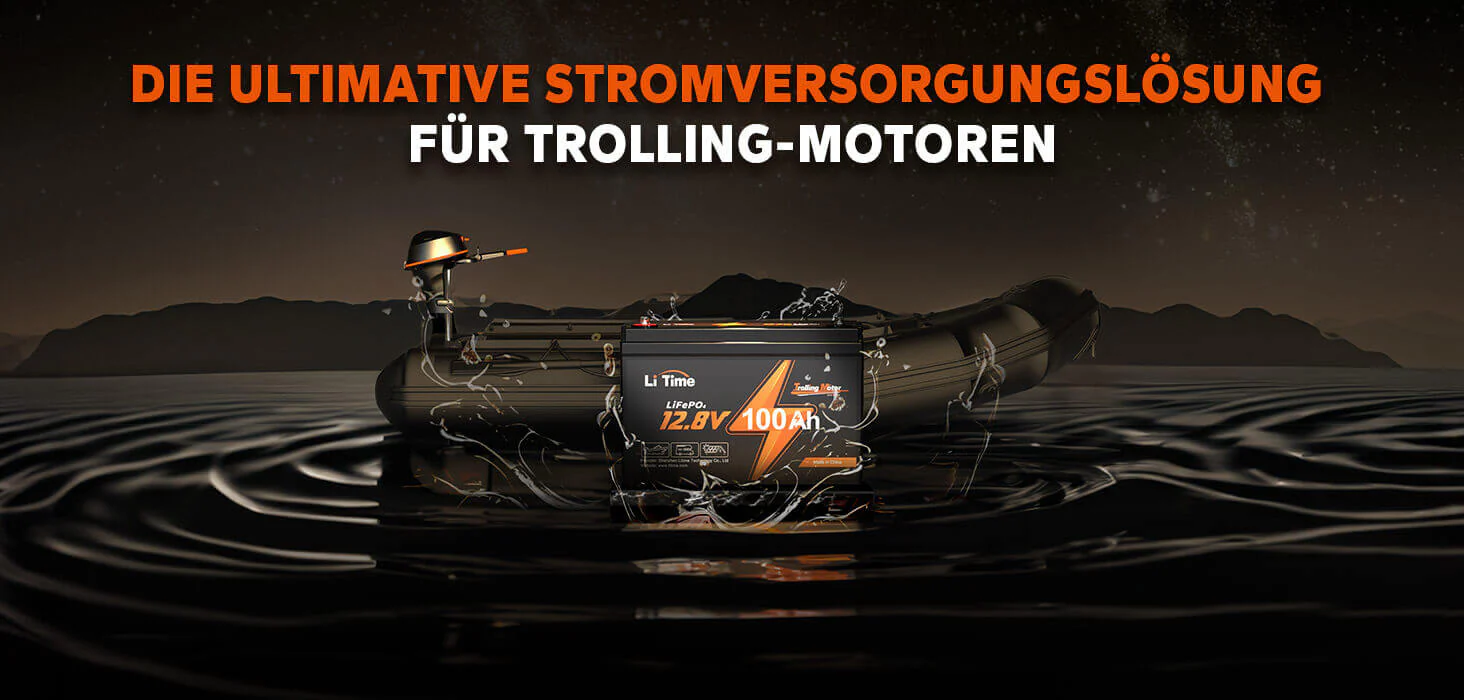
LiTime is best known for LiFePO4 batteries used in:
- RV house battery upgrades
- Off grid solar setups
- Trolling motors and small boats
- DIY power systems, sheds, cabins
- Backup power (with the right inverter and wiring)
They hit a sweet spot: usually cheaper than some legacy premium brands, but more “real product” than no name packs.
That said, the buying experience in Canada can be messy because lithium batteries are heavy, considered dangerous goods in shipping, and cross border logistics are not always smooth.
So where you buy matters. A lot.
Where to buy LiTime in Canada (best options in 2026)
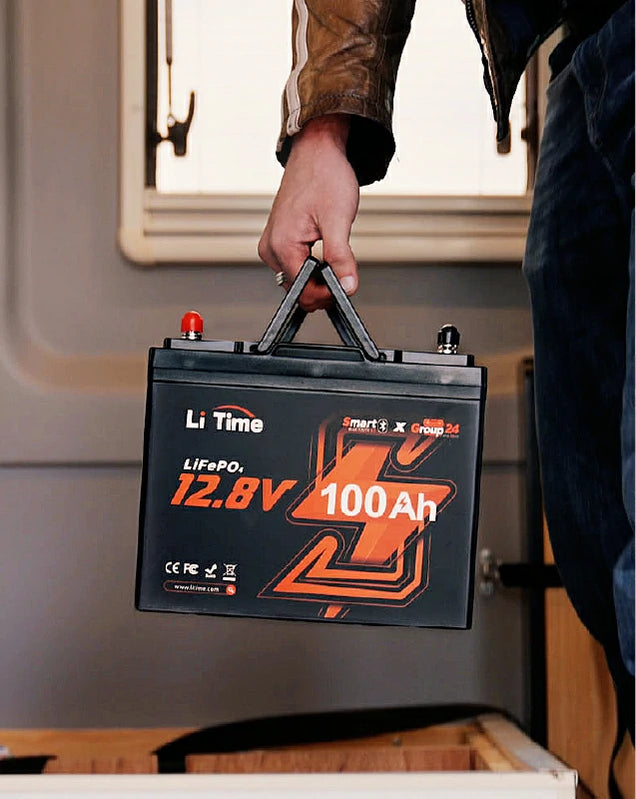
1. LiTime Official Website (best when shipping is fair)
If you can buy direct from LiTime and the shipping cost is not outrageous, it is usually the cleanest way to avoid weird sellers.
Pros
- Highest chance of getting current stock and latest revisions
- Warranty is straightforward since it is direct
- Bundles and promos show up here first
Cons
- Shipping to Canada can be the deal breaker
- Duties and taxes can surprise you depending on how it is fulfilled
- Returns are not as painless as walking into a local store
My quick rule: if direct checkout shows shipping that is reasonable and clearly states delivery timelines, it is a solid option. If shipping is massive or vague, I move on.
What to check before paying
- Does the checkout page show CAD or USD?
- Is shipping coming from a Canadian warehouse or US?
- Are taxes collected at checkout, or will you get hit at delivery?
Sometimes the “best price” ends up not being the best once you add freight.
2. Amazon.ca (best for returns, also the most common Canadian option)
Amazon is where most Canadians end up buying LiTime. And honestly, I get it. If something arrives damaged, or the battery is not what you expected, Amazon returns can be the easiest path.
But here is the catch.
Amazon listings can look identical while being sold by different sellers.
What you want to see
- Sold by: LiTime (or the official storefront)
- Clear model naming that matches LiTime specs
- A decent number of reviews on that exact listing, not a Franken listing that got merged
Pros
- Fast shipping if it is Prime eligible
- Simple returns compared to cross border returns
- Pricing can be competitive during sales
Cons
- Marketplace mix can be confusing
- Price swings a lot, like weekly sometimes
- You still need to confirm warranty handling for Canada
If you are buying on Amazon.ca, I would personally prioritize listings that are clearly from the official brand storefront, and I take screenshots of the product page at the time of purchase. Not because I am paranoid. Just because it saves arguments later.
3. Canadian solar and battery retailers (best when you want local support)
This option is underrated. You might pay a bit more than the lowest online price, but the overall experience can be better.
Especially if you need:
- Help choosing the right battery size
- Advice on charging settings
- Help pairing with a charger, converter, or solar controller
- Faster shipping inside Canada without cross border delays
Not every Canadian retailer will stock LiTime specifically, and stock can be spotty. But when they do, it can be worth it.
Pros
- Canadian invoice and often cleaner warranty handling
- No surprise brokerage fees
- Faster delivery in many cases
Cons
- Sometimes higher sticker price
- Fewer model options compared to direct
If you are building a larger system, like a cabin setup, or anything that needs real planning, the support angle starts to matter more than saving $40.
4. Walmart Marketplace, eBay, random “deal” sites (usually not worth it)
You will see LiTime batteries pop up in places like marketplace listings and deal sites.
Sometimes it is fine. Sometimes it is a headache.
The two big risks
- You might get an older revision or weird packaging.
- Warranty support can turn into “talk to the seller” forever.
If you buy from a third party marketplace seller, treat it like you are buying used electronics. Verify everything.
Minimum checks
- Seller has a real address and a real support email
- Clear return policy that does not require you to ship a 30 lb battery to another continent on your dime
- Listing includes exact model number, capacity, and BMS rating
If a listing is cheap enough to make you suspicious, trust that feeling.
Best LiTime batteries Canadians usually buy (and what they cost in 2026)
Pricing changes. A lot. So I am not going to pretend I can predict the exact day to day price.
But I can give you realistic 2026 ranges Canadians commonly see, and what affects them.
Below are typical “street price” ranges you might see in Canada, before or after a promo. Shipping and taxes can still move it.
Common LiTime models and rough Canada pricing ranges (2026)
12V 100Ah LiFePO4 (Group size varies by model)
- Typical range: CAD $350 to $650
- Most common use: RV house battery, small solar, basic upgrades
12V 200Ah LiFePO4
- Typical range: CAD $700 to $1,150
- Most common use: bigger RV bank, off grid weekend cabin, longer runtime
12V 300Ah LiFePO4
- Typical range: CAD $1,050 to $1,650
- Most common use: heavy RV use, cabin, higher autonomy
24V 100Ah LiFePO4
- Typical range: CAD $900 to $1,450
- Common use: more efficient inverter setups, some trolling motor systems
Self heating models (important for Canadian winters)
- Add roughly: CAD $80 to $250 premium vs non heating
- Worth it if you charge in freezing temps, or you do shoulder season camping
Again, those are ranges. The same model can be $150 cheaper during a big promo, then climb back up the next week.
So what is actually the best price?
Best price depends on one thing people ignore.
Total landed cost.
That means:
- Battery price
- Shipping
- Taxes
- Duties, brokerage, import fees if applicable
- Your time and risk if returns are complicated
A “cheap” listing that makes you pay return shipping on a defective battery is not cheap. It is just delayed pain.
How to consistently get the best LiTime price in Canada
This is the part that actually saves money.
1. Use price history (especially on Amazon.ca)
If you are buying through Amazon, use a price tracker. You will notice patterns:
- Big discount windows around seasonal sale events
- Random lightning deals
- Seller changes that quietly increase shipping
If the battery is not urgent, waiting even 2 to 3 weeks can matter.
2. Watch for bundle deals
Sometimes LiTime or retailers bundle:
- Battery + charger
- Battery + bus bars or accessories
- Multi pack discounts
If you already need the charger, bundling can be the real discount, not the battery price itself.
3. Prioritize Canadian fulfillment when possible
Cross border shipping is where you get hit with:
- slow delays
- surprise fees
- complicated returns
Even if the sticker price is a bit higher, Canadian stock can be the better buy.
4. Do not cheap out on the wrong model
This sounds obvious, but it happens all the time.
If you camp in cold weather and you are charging below freezing, buying a non heating battery because it is $120 cheaper is… not a savings. Not in Canada. You end up babying the system, adding heating pads, or just dealing with no charge in the cold.
Buy the right battery first.
The Canada specific thing: cold weather charging and self heating
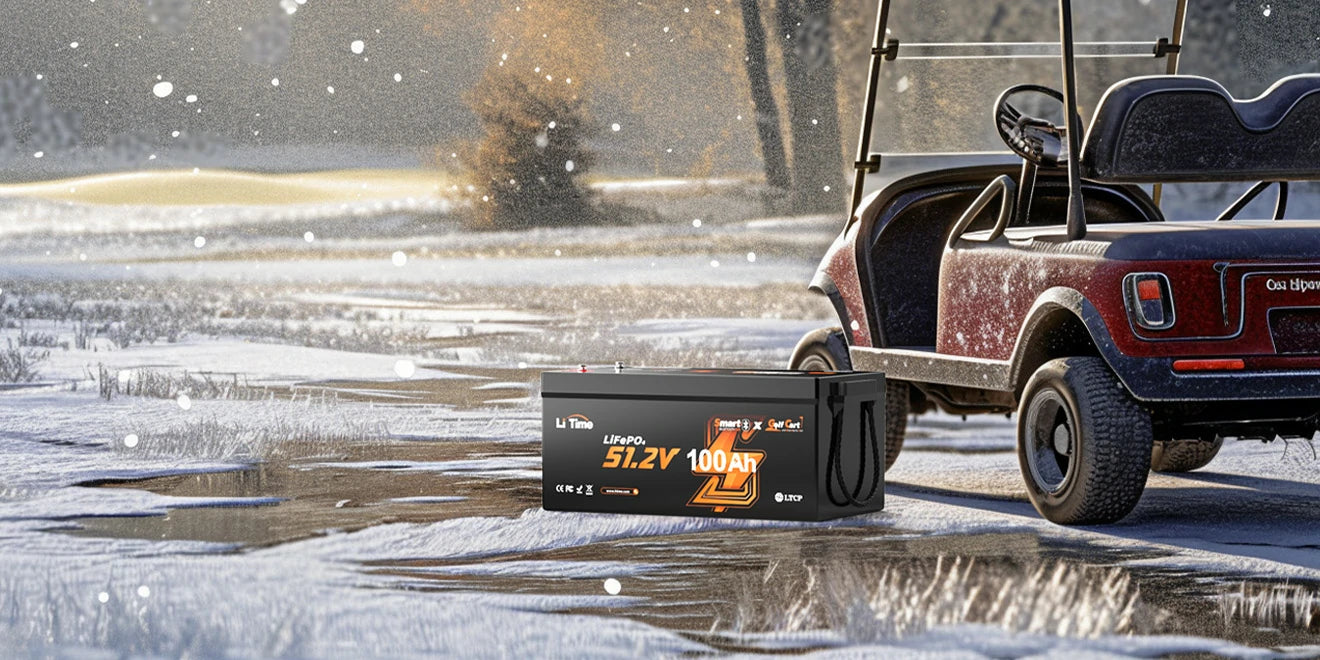
LiFePO4 batteries generally should not be charged at or below 0°C unless they have protection that prevents charging, or a heating system that warms the cells first.
So if your use case includes:
- winter RV storage while plugged in
- shoulder season camping
- cabins where temps drop at night
- boats stored in cold garages, then charged
A self heating LiFePO4 model is often worth paying for.
Not always. If the battery stays inside a heated space, you might not need it.
But if the battery lives in an exterior compartment, or an unheated trailer, you should take this seriously. Canada is not the place to gamble with freeze charging.
How to spot a legit LiTime listing (and avoid the sketchy ones)
Here is my quick checklist.
A legit listing usually has:
- Clear specs: voltage, Ah, Wh, max continuous discharge, BMS rating
- A real manual PDF, or at least a real support link
- Consistent branding, consistent model names
- A warranty statement that is not vague
Red flags:
- Model title stuffed with random keywords like “for Tesla RV Solar Marine 9999W”
- Specs that do not match the product photos
- No mention of BMS rating or charge voltage ranges
- Seller refuses to answer “Who handles warranty in Canada?”
If you ask one question and they respond with copy paste fluff, skip it.
Warranty and returns in Canada (what to clarify before you buy)
This is where people get burned.
Before you click buy, you want to know:
- Who is the warranty provider?
- LiTime directly, Amazon, or a third party seller.
- Where do returns go?
- Canadian address, US address, or overseas.
- Who pays return shipping if it is defective out of the box?
- Lithium shipping is not like returning socks.
- What proof do they require?
- Sometimes they ask for voltage readings, photos, serial numbers, app screenshots if Bluetooth, etc.
If you are buying through Amazon and it is within the return window, you are usually safer. If you are buying from a random seller, you need to be extra careful.
What I would buy in 2026, depending on your use
Not a perfect rule, but a decent shortcut.
RV weekenders (basic setup)
- 12V 100Ah if you are light use
- 12V 200Ah if you want comfort and fewer worries
RV full timers
- Usually 12V 200Ah x2, or a bigger bank depending on inverter loads
- Consider a 24V system if you are running a serious inverter
Cabin or off grid solar
- If you are running an inverter a lot, consider 24V 100Ah or larger
- Higher voltage systems can reduce current and simplify some wiring, but planning matters
Trolling motor and marine
- Depends on the motor voltage and draw
- Do not guess. Match battery to motor requirements and consider peak draw, not just average
Anyone charging in the cold
- Pay extra for self heating models, or design a heated battery space
The “hidden cost” items people forget (and then blame the battery)
Even a good LiFePO4 battery can look bad in a bad system.
If you are budgeting, do not forget:
- Proper LiFePO4 compatible charger, or converter settings in an RV
- Correct solar charge controller settings
- Appropriate cable gauge and fusing
- Bus bars, lugs, crimping tools if DIY
- Battery monitor (optional, but helpful)
A lot of “battery problems” are actually wiring, charging profile, or undervalued cables.
Final take: best place to buy LiTime in Canada (2026)
If you want the cleanest purchase with the least drama, here is the practical takeaway:
- Buy direct from LiTime when shipping and taxes are clear and reasonable.
- Buy from Amazon.ca when you value fast delivery and easy returns, and the listing is from the official seller.
- Buy from a Canadian retailer when you need local support, faster domestic shipping, or cleaner warranty handling.
And please do not optimize for the lowest sticker price only. Optimize for total landed cost and the ability to return it if something goes sideways.
If you tell me which battery you are looking at (12V 100Ah, 200Ah, self heating, 24V, etc) and what your setup is (RV, cabin, trolling motor), I can sanity check whether the price you found is actually good for Canada in 2026.
FAQs (Frequently Asked Questions)
Where is the best place to buy LiTime batteries in Canada in 2026?
The recommended buying order for Canadians in 2026 is: first, the LiTime official website if shipping costs to Canada are reasonable; second, Amazon.ca when the seller is LiTime official and return policies matter; third, reputable Canadian battery or solar retailers for local support and faster shipping; and fourth, avoid random marketplace sellers unless warranty and returns are clearly verified.
Why do prices for LiTime batteries vary so much in Canada?
LiTime battery prices in Canada fluctuate due to factors like shipping costs, duties and taxes, seller pricing strategies, marketplace mix on platforms like Amazon.ca, and availability of stock. Additionally, lithium batteries are heavy and considered dangerous goods, which complicates cross-border logistics and impacts final pricing.
Is warranty coverage for LiTime batteries reliable when purchased in Canada?
Warranty coverage depends heavily on where you buy. Buying directly from LiTime or through official sellers ensures straightforward warranty handling. Purchasing from reputable Canadian retailers also often provides cleaner warranty support. However, buying from random marketplace sellers can lead to unclear or difficult warranty claims.
What should I check before purchasing a LiTime battery online if I’m in Canada?
Before purchasing, verify if the price is shown in CAD or USD; confirm where shipping originates (Canadian warehouse or US); check if taxes are collected at checkout or charged upon delivery; ensure the seller is official (especially on Amazon.ca); take screenshots of product pages at purchase time; and review shipping costs and delivery timelines carefully.
What are the advantages of buying LiTime batteries from Canadian solar and battery retailers?
Buying from Canadian retailers may cost a bit more but offers benefits like local support for choosing battery size, advice on charging settings, help pairing with other equipment, faster shipping without cross-border delays, Canadian invoices for cleaner warranty handling, and no surprise brokerage fees.
Should I buy LiTime batteries from Walmart Marketplace or eBay in Canada?
Generally, buying LiTime batteries from Walmart Marketplace, eBay, or random deal sites is not recommended due to risks like receiving older revisions or unclear packaging and complicated warranty support that relies on the seller. If you choose this route, verify the seller’s real address and support email, clear return policy without excessive shipping requirements, and exact model details to avoid headaches.
Read more: homarosa.com