Cold Plunge Benefits: A Beginner's Guide to Ice Bath Therapy at Home
New to cold plunging? This beginner's guide explains the real, research-backed cold plunge benefits — from muscle recovery to sleep and stress — plus safe temperatures, session times, and common mistakes to avoid.
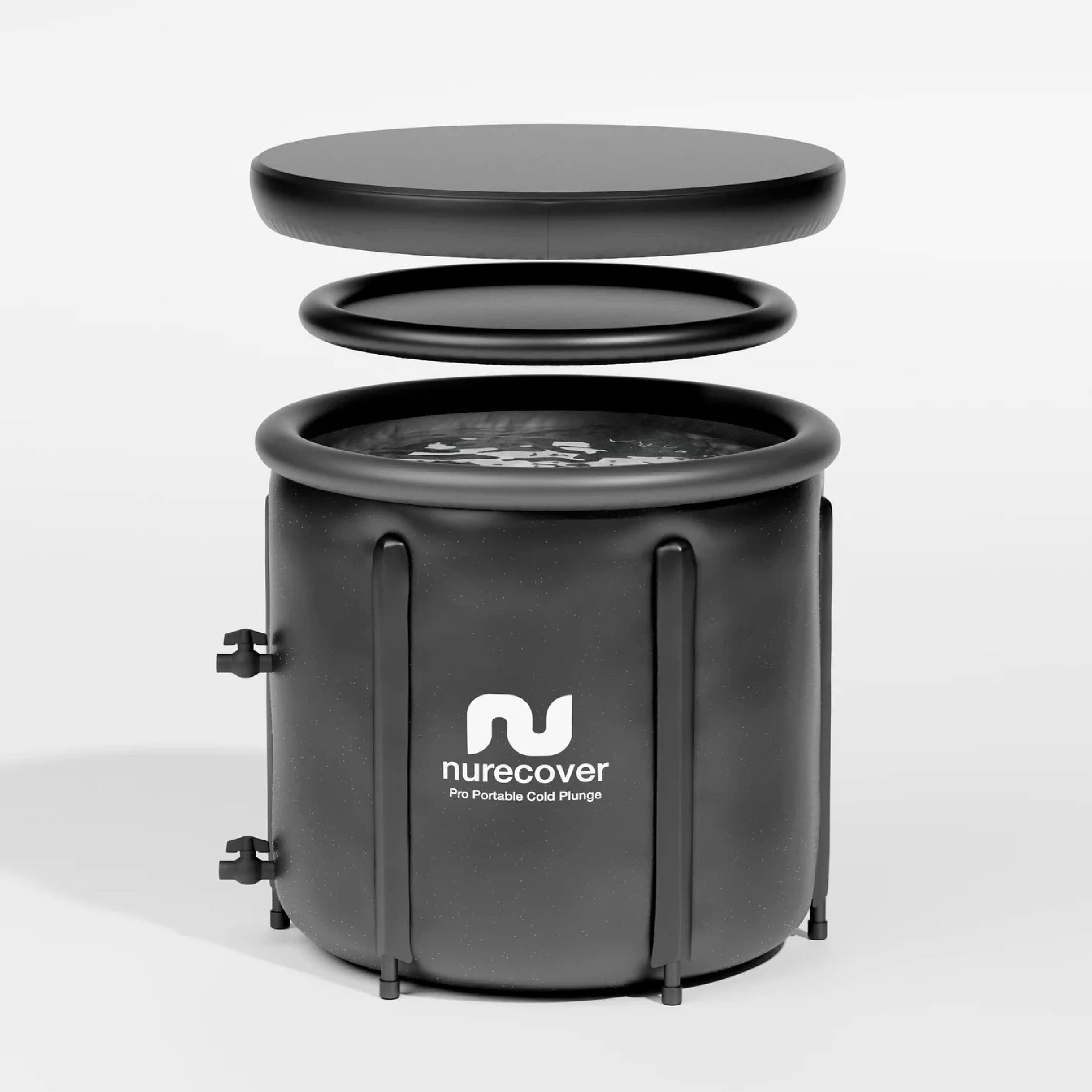
What is a cold plunge?
Cold plunge benefits are one of the most searched wellness topics right now, and for good reason — dunking your body in ice-cold water for a few minutes has moved from elite-athlete recovery rooms into ordinary backyards. If you are new to cold-water immersion, this guide walks through what actually happens in your body, which benefits are backed by research, and how to start safely at home.
Cold plunge benefits center on faster perceived recovery, better sleep quality, and a calmer stress response — when sessions are brief, consistent, and appropriate for your health status.
If you are curious about cold plunge benefits but nervous about starting, begin with short, supervised sessions in mild-cold water and build tolerance gradually rather than chasing the coldest temperature on day one.
Check current priceKey Highlights
- What cold-water immersion (CWI) actually is and how it differs from cryotherapy.
- The physiological mechanism behind soreness relief and stress reduction.
- Which cold plunge benefits are supported by research — and which are still unproven.
- Realistic beginner protocols: temperature, duration, and frequency.
- Common mistakes and safety red flags to watch for.
What is a cold plunge?
A cold plunge is a short, deliberate immersion of the body in cold water, typically between about 10°C and 15°C (50–59°F), used for recovery and wellness rather than medical treatment. It sits within the broader category of cold-water immersion (CWI), which also includes ice baths, cold showers, and cryotherapy chambers — though cryotherapy uses cold air, not water, and works through a different mechanism.
Cold plunging has roots in centuries-old bathing traditions across Scandinavia, Japan, and Russia, but its modern popularity comes from athletic recovery culture, where teams used ice baths after intense training. Today it has expanded into an at-home wellness habit, with portable tubs and chillers making it accessible without a gym or spa.
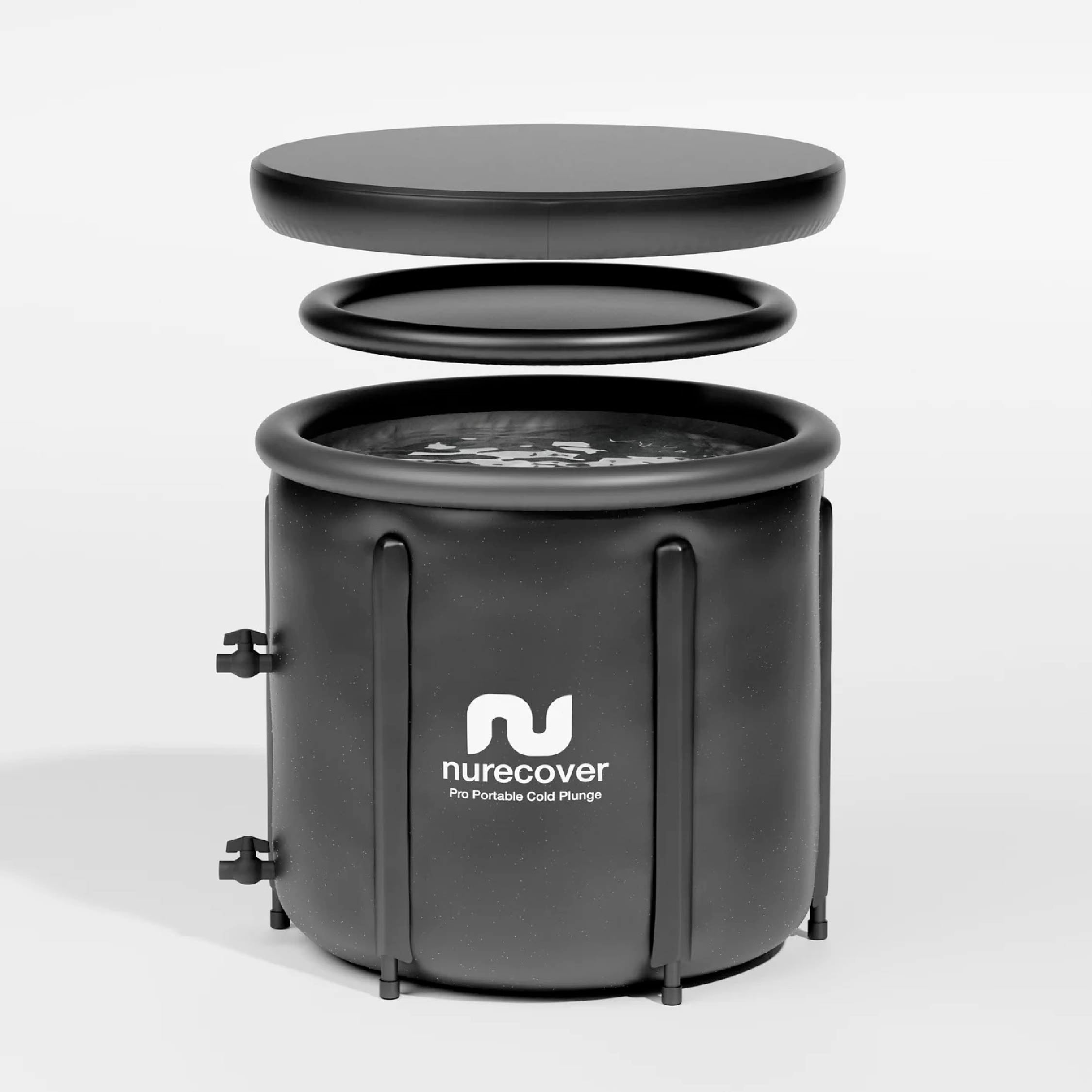
How cold-water immersion works
When your body hits cold water, it triggers rapid vasoconstriction — blood vessels near the skin narrow to preserve core temperature. This vasoconstriction, paired with a neuroanalgesic effect that dulls pain signaling, is the proposed mechanism behind reduced delayed-onset muscle soreness (DOMS) after cold-water immersion. As the body rewarms afterward, blood flow returns in a rush, which some researchers believe helps flush metabolic byproducts from tired muscles.
Beyond the muscular effect, immersion in cold water activates the sympathetic nervous system — the classic "fight or flight" response — followed by a rebound calming phase once you exit the water. This is the physiological basis for the stress-related cold plunge benefits people report, though the response is protocol-dependent and varies by individual.
Dose matters: research indicates shorter sessions under 10 minutes are more associated with soreness relief, while longer sessions beyond 15 minutes are studied more for tissue-repair signaling — meaning "more cold, longer" is not automatically "better."
Cold plunge benefits, explained
The most consistently studied cold plunge benefits fall into three buckets: muscle recovery, sleep, and stress response. None of these are guaranteed medical outcomes — they are associations reported in the CWI research literature and should be read as "may support," not "will cure."
Muscle soreness and recovery
A study on multiple cold-water immersions found reductions in markers of muscle damage following repeated exposure, suggesting a role for CWI in post-exercise recovery protocols. This lines up with the vasoconstriction-and-rebound mechanism described above.
Sleep quality
Evidence reviewed in a systematic review on cold-water immersion links regular CWI practice to improvements in self-reported sleep quality, likely tied to the post-immersion parasympathetic "calm-down" phase rather than the cold exposure itself.
Stress response and resilience
A systematic review of 11 randomized controlled trials covering 3,177 participants found reduced perceived stress measured up to 12 hours after cold-water immersion, along with a 29% reduction in sickness absence among regular participants — one of the larger and more cited cold-water immersion datasets available.
It is worth being precise about what this research does and does not say: it describes associations in controlled studies, not a guarantee for any individual, and it does not claim cold plunging treats anxiety, depression, or any diagnosed condition. Framing cold plunge benefits as "may support a calmer stress response" is accurate; framing them as a treatment for a mental health condition is not.
Types of cold plunge setups
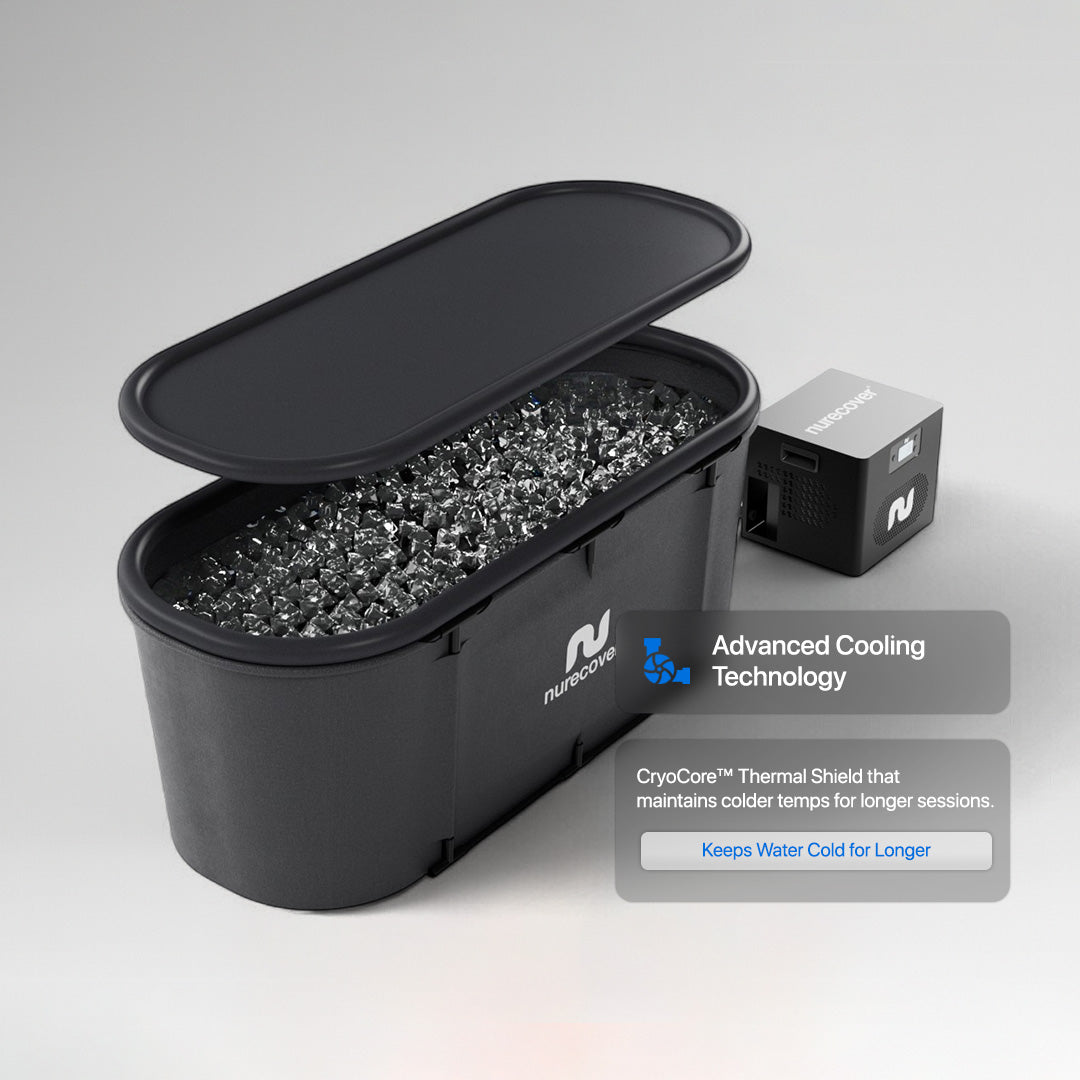
Beginners generally choose between three broad categories of at-home cold plunge setup. None of these names refer to one specific product — this is a category comparison to help you understand the landscape before you buy anything. For a deeper breakdown of features and setups, see our complete portable ice bath buyer's guide.
| Setup type | How cold it gets | Best for |
|---|---|---|
| Ice + tub/barrel | Depends on ice volume, warms quickly | Trying cold plunging before investing |
| Portable chiller-less tub | Limited by tap/ambient water temp | Mild, beginner-friendly cold exposure |
| Portable tub + chiller unit | Consistent target temperature, reusable | Regular, repeatable at-home sessions |
Risks, myths and common mistakes
Cold plunging is not risk-free, and treating it as a casual stunt is the most common beginner mistake. The biggest risk is the cold shock response — an involuntary gasp reflex and spike in heart rate and blood pressure the moment cold water hits the chest — which is why sudden, unsupervised full immersion in very cold water is discouraged for beginners.
- Mistake: going too cold, too soon. Start closer to 15–18°C and lower the temperature over weeks, not on day one.
- Mistake: staying in too long. Longer is not automatically better; short sessions are linked to soreness relief in the research above.
- Mistake: plunging alone with no way to exit quickly. Always have a way to get out fast and someone nearby, especially early on.
- Myth: cold plunging "detoxes" the body. There is no evidence CWI removes toxins; the legitimate mechanisms are vasoconstriction, neuroanalgesia, and nervous-system response, not detoxification.
- Myth: more discomfort means more benefit. Tolerating extreme cold is not itself a marker of better outcomes in the research.
Safety note: cold-water immersion is not appropriate for everyone. If you have a heart condition, uncontrolled blood pressure, are pregnant, or have any circulatory condition, talk to a doctor before trying a cold plunge — this guide is educational, not medical advice, and it does not diagnose or treat any condition.
Alternatives and related recovery methods
Cold plunging is one tool among several recovery approaches, and it is not always the right starting point. A cold shower is a lower-commitment way to sample the sympathetic-nervous-system response before investing in a tub. Contrast therapy — alternating hot and cold — is another related approach some people prefer to a straight cold plunge. If breathwork or sleep is your primary goal rather than muscle recovery, it can be worth exploring those routes on their own before adding cold exposure into the mix.
Getting started at home
A sensible beginner protocol looks like this: start with water around 15–18°C for 1–2 minutes, focus on slow breathing to manage the cold shock response, and gradually work toward shorter, colder sessions (around 10–15°C for 2–5 minutes) over several weeks as tolerance builds. Most people who stick with it settle into 2–4 sessions per week rather than daily plunging. For a full step-by-step walkthrough, see our guide on how to take a cold plunge at home.
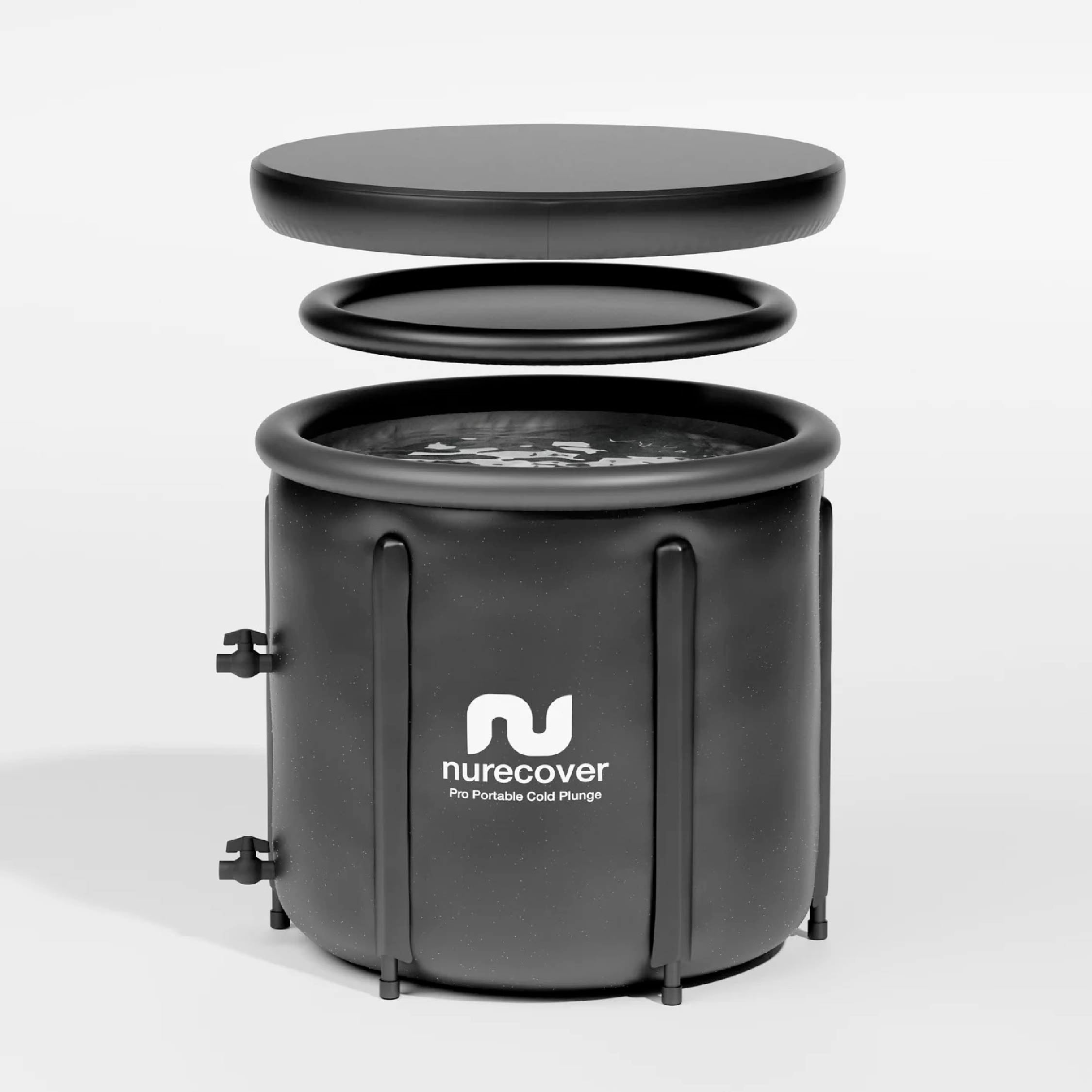
If you want to start at home without hauling ice bags every session, a chiller-equipped portable tub keeps the water at a consistent target temperature so you are not guessing. Nurecover, founded in 2019, is one option in this category used by more than 100,000 customers. Its lineup includes the Pod, a portable ice bath, and the PodChiller accessory, which can bring water down to roughly 3–5°C for those who progress beyond beginner temperatures. For a hands-on look at the full lineup, see our Nurecover review. It is a reasonable, beginner-friendly starting point if you decide a dedicated setup is worth it, rather than a requirement to get any of the benefits discussed above.
Nurecover Pod
A portable, beginner-friendly ice bath for building a consistent at-home cold plunge routine.
Check current priceWhere to go next
Cold plunge benefits are real but protocol-dependent: short, consistent, appropriately cold sessions are linked to soreness relief, better sleep quality, and a calmer stress response in the research above — not a cure-all, and not appropriate for everyone. If you are ready to try it, start mild, go short, and build up gradually rather than chasing the coldest tub you can find.
Explore Nurecover starter optionsReferences
- PLOS ONE — Effects of cold-water immersion on health and wellbeing: a systematic review of randomized controlled trials
- NCBI/PubMed — Cold-Water Immersion and Sports Massage: mechanisms of muscle soreness relief
- NCBI — Multiple Cold-Water Immersions and Muscle Damage Recovery
- Frontiers in Physiology — Impact of different doses of cold-water immersion
This article is for educational purposes only and is not medical advice. Cold-water immersion carries risks including cold shock response and is not appropriate for everyone, including people with heart conditions, uncontrolled blood pressure, or who are pregnant. Consult a doctor before starting a cold plunge routine, especially if you have any underlying health condition. Homarosa may earn a commission if you purchase through links in this article; this does not affect our editorial independence.
Recommended for you
 Nurecover Pod Review 2026: Best Portable Ice Bath?
- Huega House Athletic Association Hat Review 2026: Worth $45?
 How to Dress Coastal Casual: Surf Style Outfits for Beach-to-Street Wear
 How to Use Jawzrsize: Step-by-Step Guide for Beginners
 Jawzrsize Review 2026: Does This Jaw Trainer Actually Work?
 How to Use a Sand Scoop for Metal Detecting at the Beach