The impulse to refresh home decor usually hits at the same inconvenient moment: you look around your space and it no longer feels like yours. Not because anything is broken or outdated. Just because somewhere between the last move and now, the room stopped reflecting who you actually are. For the brands making this refresh possible, see our Maia Homes review and the full home decor trends 2026 guide.
The good news is that a home glow-up does not require gutting a room, hiring a contractor or spending five figures. The best room transformations in 2026 are happening through a handful of high-impact swaps — pieces that change the feel of a space without touching the structure. This guide goes room by room.
Why Your Home Needs a Glow-Up (And Why Now)
Interior designers talk about something called “decor drift” — the slow accumulation of pieces that do not quite talk to each other, left over from different life stages, different tastes and different impulse purchases. Most homes are not badly decorated. They are just untranslated — a collection of things that have not been edited into a coherent story.
The home glow-up is the edit. It is not about adding more. It is about identifying the two or three pieces that will unify everything else and make the room feel intentional.
In 2026, the design consensus on what those pieces are has shifted significantly. The rug. The art. The hardware. Start with surfaces and accents before you consider furniture.
The Anchor Piece: Start with the Rug
Every room has a visual anchor — the piece the eye lands on first and returns to. In a living room or bedroom, it is almost always the rug. Change the rug, and you change the room.
This is not a subtle effect. A flat, worn or generic rug makes a room feel unfinished regardless of how good the furniture is. A great rug pulls everything together — the furniture arrangement makes sense around it, the color palette borrows from it and the room suddenly feels designed rather than assembled.
For 2026, the statement rug is the clearest answer to the question of where to put your glow-up budget first.
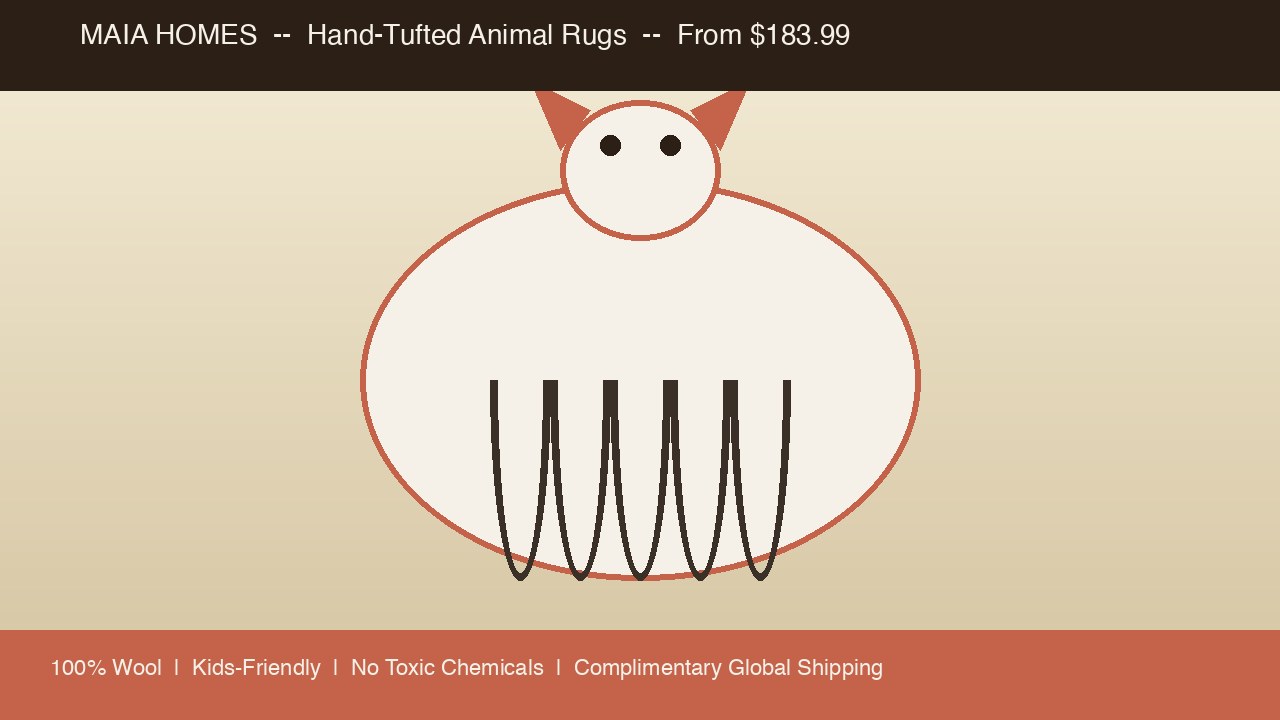
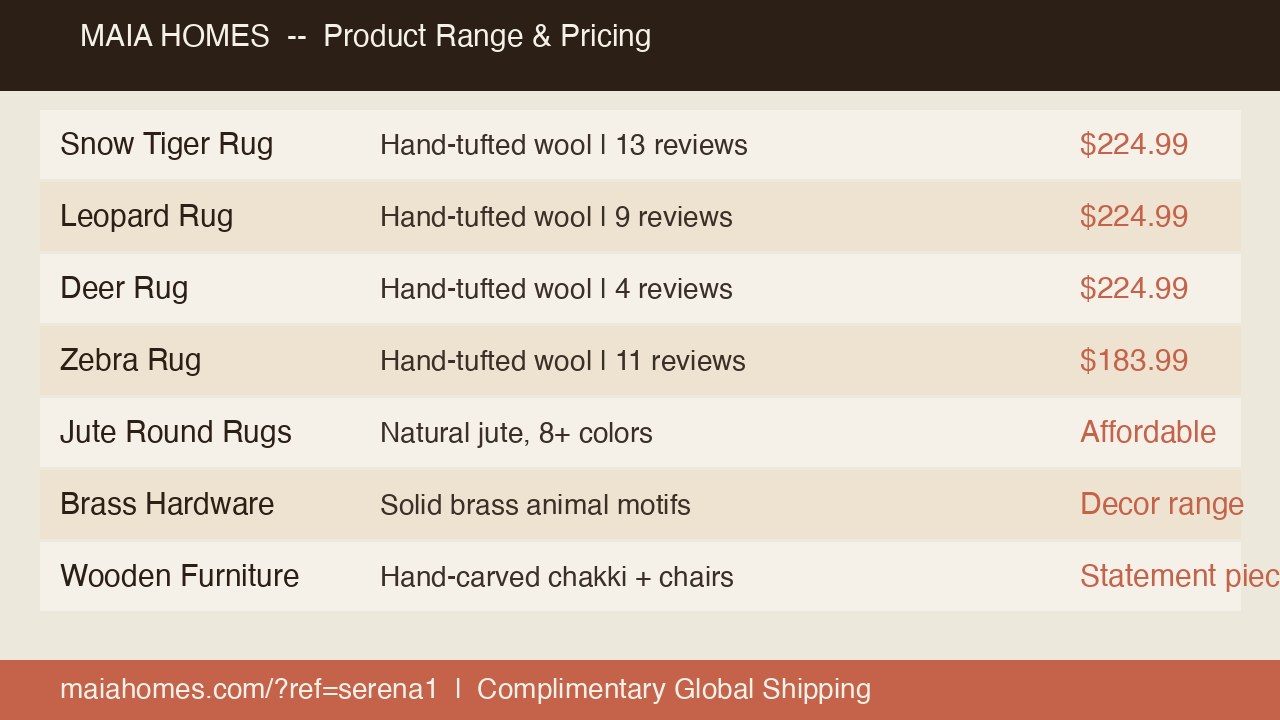
What makes a statement rug in 2026: hand-crafted construction, real natural fiber (wool, jute), and a design that is genuinely arresting rather than inoffensive. The animal-shaped hand-tufted wool rugs from Maia Homes — their Snow Tiger, Leopard, Zebra and Deer accent pieces — are exactly this. Shaped, not just patterned. Hand-tufted 100% wool, no toxic chemicals, kids-friendly. Starting from $183.99 with complimentary global shipping.
The Tiger ($224.99) in a white and black palette works as both a standalone statement and a neutral base — it reads as bold without committing to a color that might clash. The Zebra ($183.99) is the most accessible entry point. Both will shift the energy of a room faster than any furniture swap at the same price point.
👉 Browse Maia Homes statement rugs — complimentary global shipping →
Room-by-Room Quick Wins
Living Room: The Big Three
The living room carries more weight than any other space in the home. It is where guests form impressions and where you decompress at the end of the day. Three moves do the most work here:
1. The anchor rug. As above — this is the first thing to do. An animal-shaped hand-tufted wool piece as the centrepiece, or a large jute round layered under the coffee table and chairs. The Maia Homes collection covers both registers: bold statement pieces for the centre and natural jute rounds for layering.
2. The shelf vignette. A single curated grouping on a bookshelf or console table does more for a living room than a dozen scattered objects. The ingredients: something tall (silk cherry blossom branches work beautifully here — Maia Homes’ white or pink versions, pack of three), something sculptural (the Apollo Belvedere Bust Sculpture or similar), something personal. Edit to three to five objects and stop.
3. The throw and pillow refresh. If the sofa color is fine but the textile situation is dated, new throw pillows in two tones from the rug’s palette cost under $50 and completely update the seating area’s look.
Bedroom: Make It Feel Like a Hotel
The bedroom glow-up comes down to one insight interior designers repeat constantly: the bedroom should feel like a retreat, not a storage room with a bed in it.
The moves that achieve this fastest:
Anchor the bed with a rug. Run a rug under the lower two-thirds of the bed (from the footboard outward). The room immediately looks larger and more intentional. A round jute rug on either side of the bed in a matching pair is the symmetry trick that makes a bedroom feel hotel-designed.
One piece of wall art above the bed. Not a gallery wall, not a collection — one significant piece centered above the headboard. Larger than you think you need. Bold enough to read from the doorway. This single change is the most commonly cited “why didn’t I do this sooner” in bedroom makeover roundups.
Tighten the textile story. Every soft surface in the bedroom — bed, curtains, rug — should use no more than three colors. Two neutrals and one accent. If the room currently has five or six colors going on, a single duvet cover swap can bring it back to coherence.
Kitchen and Bathroom: The Hardware Swap
The kitchen and bathroom are the rooms where people spend renovation budgets and get the smallest return. The fastest upgrades in both spaces cost far less and take an afternoon.
Replace the hardware. Cabinet knobs, drawer pulls and handles are the jewelry of a kitchen or bathroom. Generic hardware from a big-box store makes even an expensive kitchen feel mass-produced. Replacing them with something crafted — brass animal motifs, architectural forms, something with texture — is the upgrade that contractors and designers routinely say clients under-invest in.
Maia Homes’ solid brass hardware range — peacock door handle knobs, parrot-on-tree door pulls, angel cabinet pulls, giraffe handles — is the functional-art answer to this. Each piece is solid brass with visible craftsmanship. The investment per handle is modest; the visual effect across eight or ten cabinet doors is significant.
Add a small round rug in the kitchen. A natural jute round in front of the sink or stove is the warmth addition that makes a kitchen feel lived-in rather than clinical. Under $100 for most sizes; immediate change in how the room reads.
Entryway: First and Last Impressions
The entryway is the room most people ignore and the one that sets every visitor’s first impression. It is also the easiest room to transform because it is small, has low traffic in terms of furniture and responds disproportionately to a single statement piece.
The entryway rug. A round jute rug in the entryway is the standard move for good reason — natural fiber handles foot traffic well, the round shape softens the rectangular hall geometry and the warm natural tone works with almost any wall color.
A wall hook or key holder that is also an object. The Maia Homes solid brass cow-shape wall key holders, for example, are functional objects that do double duty as decor. Small detail; the kind of thing guests comment on.
One mirror. Entryways need light reflection. A round or arch-shaped mirror makes a small entry feel larger and more welcoming. Lean it if you cannot mount it.
Home Office: Signal That This Room Matters
The home office is the room that most commonly gets the least decor attention, on the logic that it is functional rather than social. This is the wrong call — you spend significant hours in this room and how it looks affects how you work.
Three moves that signal the home office is a real room:
A rug under the desk. Even a small natural fiber piece under the desk chair grounds the workspace and makes the area feel intentional. A round jute rug at this size costs under $100.
Replace the desk surface or add a statement organizer. Wooden surfaces and objects with visible craft — the Chakki-style wooden side table as a side unit, for example — bring warmth to a workspace that is typically all hard edges and screens.
Wall art at eye level. A single good-sized print or piece at seated eye level makes a meaningful difference to the experience of being in the room. The art you look at for eight hours a day should not be an afterthought.
The Refresh Formula: How to Budget a Glow-Up
The room-refresh calculation that actually works:
- 30% on the floor (the rug). This is where the room’s personality lives. Spend here first.
- 30% on the walls (art, mirrors, sconces). What the eye travels to after the floor.
- 20% on textiles (throw pillows, blankets, curtains). The softness and color detail layer.
- 20% on objects and hardware. The finishing details that read up close.
Most people do it in reverse — buying objects and textiles while leaving the floor and walls as afterthoughts. That is why most rooms feel simultaneously busy and unfinished.
If you can only make one purchase per room, make it the floor. And in 2026, the floor piece that interior designers — and design publications like Design Milk and Remodelista — are talking about is the hand-tufted statement rug.
Refresh Home Decor FAQ
Where do I start when refreshing home decor?
Start with the floor. A statement rug anchors the furniture, sets the color palette and changes the room’s energy faster than any other single purchase. Once the rug is in place, everything else becomes easier to decide.
How do I refresh home decor on a budget?
Prioritize anchor pieces over objects. One great rug does more than twenty small decorative items. After the rug: a single significant wall piece, then a hardware swap in the kitchen or bathroom. Three targeted investments outperform scattered small purchases.
What home decor is trending in 2026?
Maximalist, hand-crafted, nature-inspired interiors. Statement rugs with animal motifs, solid brass hardware, hand-carved wooden objects, round jute natural fiber pieces and warm earthy color palettes. The common thread is craft over mass production and personality over generic neutrals.
How can I make a room look designer without a big budget?
Invest in craft over quantity. A hand-tufted wool rug from Maia Homes at $183.99-$224.99 looks and feels like a piece that would be triple the price from a boutique. Solid brass hardware, one piece of real art and curated shelf vignettes do more for a room than a full set of new mass-market furniture.
Are hand-tufted rugs worth it?
Yes — the depth, texture and visual weight of a hand-tufted piece cannot be replicated by machine-made alternatives. The surface catches light differently, the pile has genuine structure and the piece holds up over years of use in ways synthetic alternatives do not. For the price difference at Maia Homes, the value proposition is clear.
How do I refresh a bedroom without buying new furniture?
Rug under the bed, one large piece of art above the headboard, tight textile story (two neutrals plus one accent color across all soft surfaces). These three moves transform the room without touching the furniture.
👉 Shop Maia Homes — rugs, brass hardware and decor with global shipping →