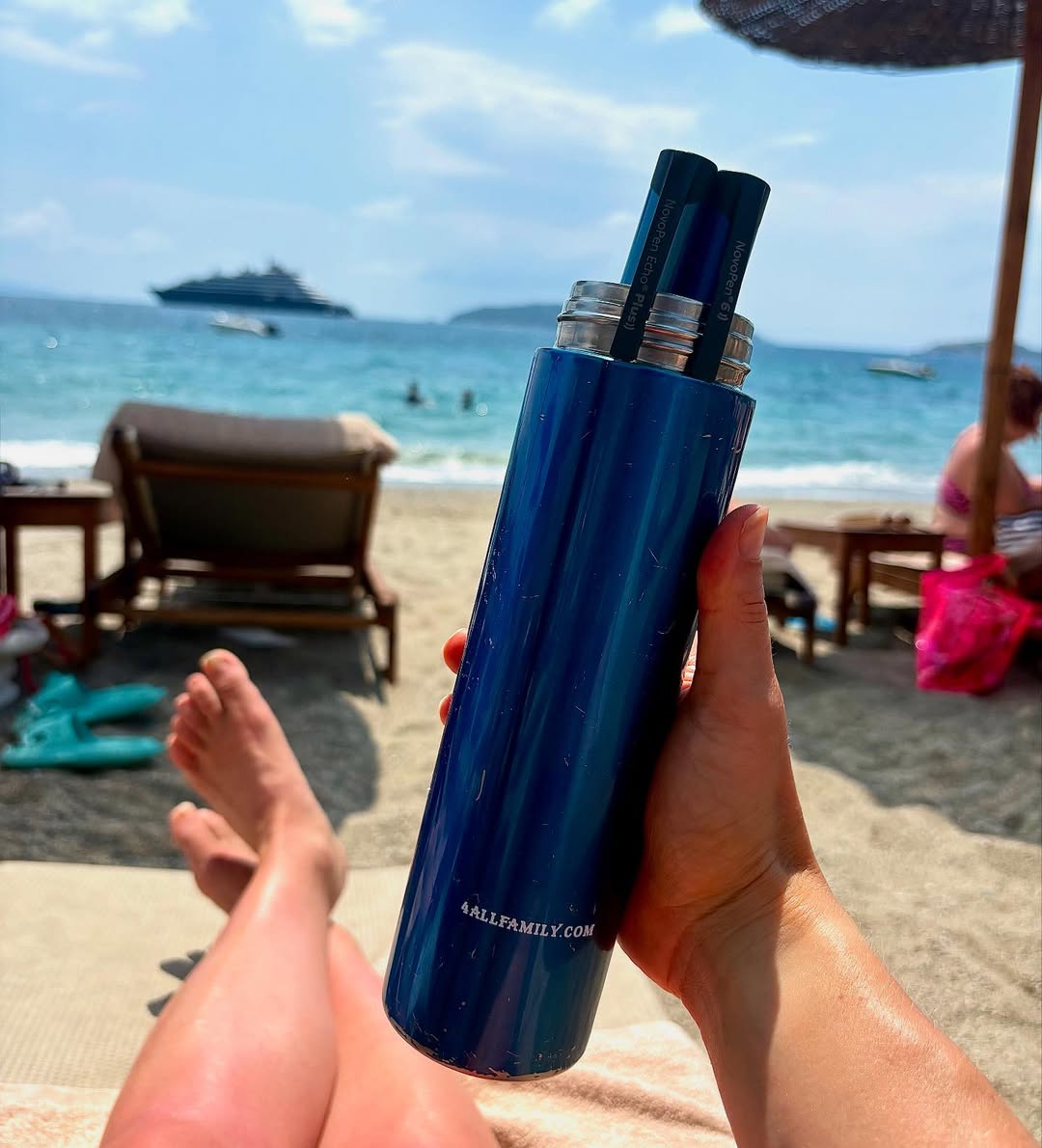
Travel in 2026 is smoother than it used to be, with 4AllFamily. You can do eSIMs in minutes, you can track bags, you can board with your phone.
But if you travel with temperature sensitive medication, or anything that absolutely cannot get warm for hours at a time, then none of that convenience matters.
Because the stressful part is still the same. Airports. Delays. Hotel fridges that freeze stuff. Long taxi rides in heat. That one moment where you realize your ice packs are… not cold anymore.
So I wanted to write a proper, practical review of portable cooling cases for travel, with a very specific focus on 4AllFamily. Not because they are the only brand out there. But because they are the brand I keep seeing people actually use in the real world, especially for insulin travel cases, biologics, fertility meds, peptides, and similar.
And I also want this to be a comparison. Not a sales pitch. Because the “best” case depends on how you travel.
Quick note before we start: I’m not a doctor and I’m not giving medical advice. Always follow your medication labeling and your clinician’s guidance on required storage temperature and max time out of fridge.
What actually matters in a portable cooling case (and what doesn’t)
Most people start by asking “How many hours does it stay cold?”
Fair. But that number alone can be misleading.
Here’s what I think matters more.
1) Your medication’s real requirement
Some meds are fine at room temperature for a limited time. Others are not. Some must never freeze. Some are okay between 2°C and 8°C, and that window is everything.
So you’re not just buying “cold”. You’re buying a stable, safe range.
2) Passive cooling vs active cooling
There are two broad categories.
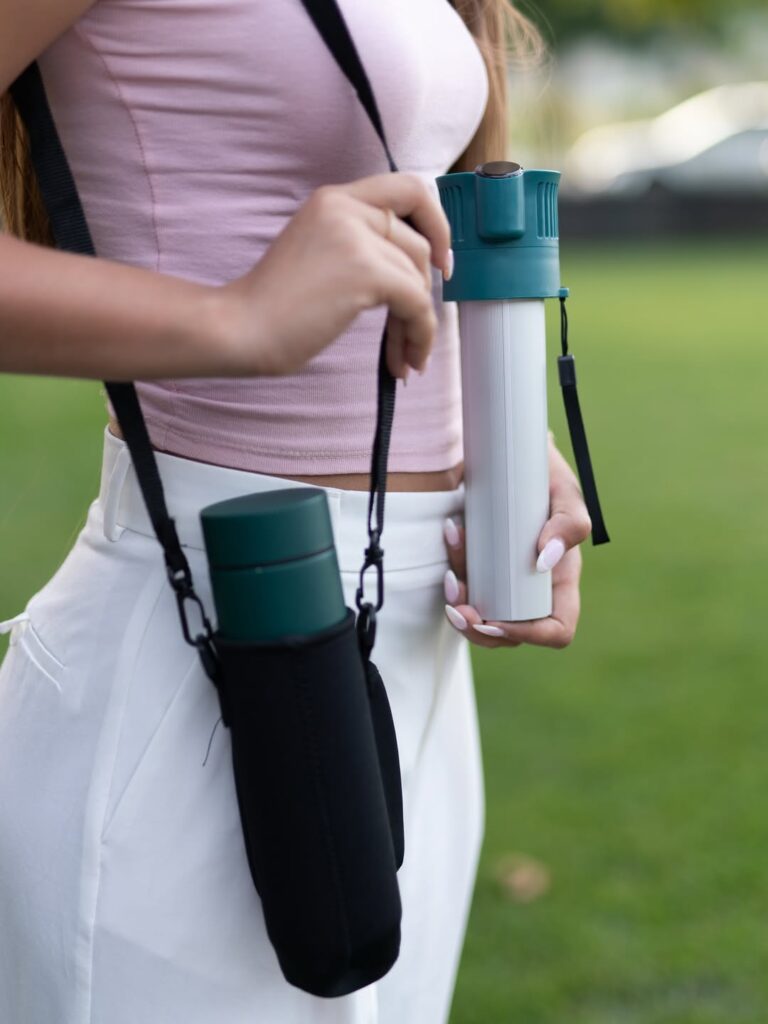
Passive cooling uses gel packs, ice packs, phase change packs, vacuum insulation. No power.
Pros: simple, flight friendly, no charging anxiety.
Cons: performance drops over time, depends on ambient temp, you need freezer access again later.
Active cooling uses a powered cooling system (usually thermoelectric).
Pros: consistent cooling for long travel days, better for hot climates, can be easier for multi day travel.
Cons: needs power, cost, more to manage.
4AllFamily offers both styles of portable cooling cases, and that is a big part of why they come up so often in discussions about safe medication storage while traveling.
3) Size and the way you actually pack
A case can be “amazing” and still be wrong for you if it eats your personal item space. Or if it doesn’t fit your pen devices. Or if it’s too tall for your sling bag that you refuse to stop using.
4) Airport reality
You want something that:
- is easy to open for inspection
- doesn’t look sketchy on X ray
- has a place for prescription labels, or at least makes it easy to carry documentation
- doesn’t rely on loose ice that turns into a wet mess
5) Freeze risk
This is the quiet danger. People focus on overheating, but freezing can be just as damaging for some medications.
So if you use ice packs, you want to understand whether the case design keeps meds from touching frozen elements directly.
4AllFamily, in plain English (what they are known for)
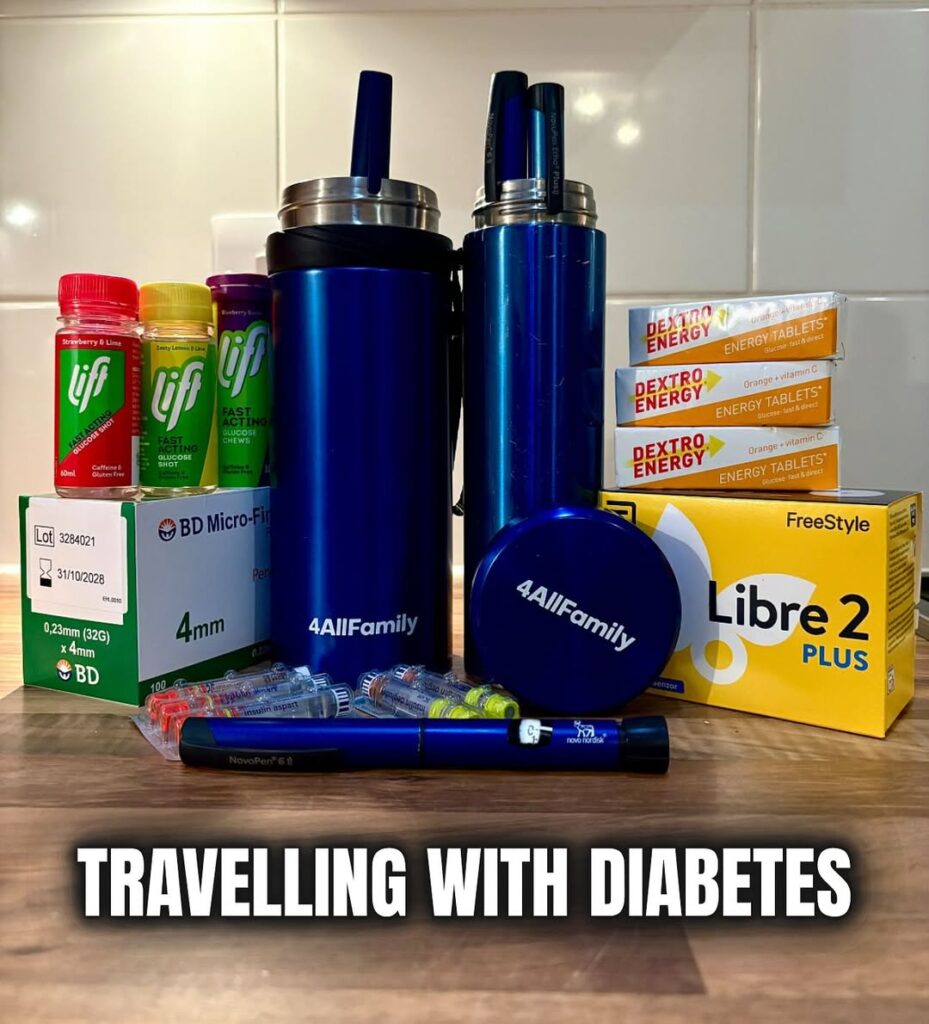
4AllFamily is mostly known for portable medication coolers, especially for insulin.
Their lineup typically covers:
- Small, passive cooling cases (compact, travel day friendly)
- Larger, passive cooling cases (more capacity, longer hold times)
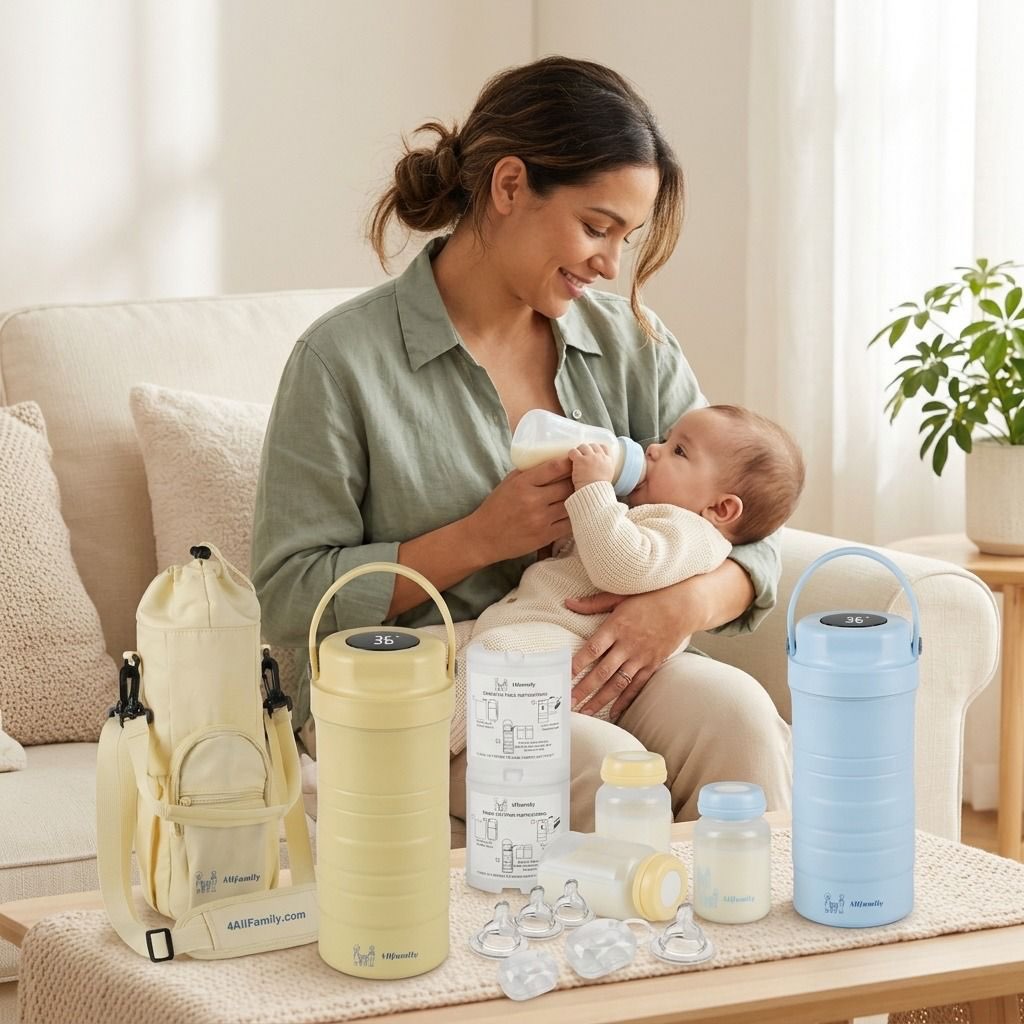
- Electric travel coolers (rechargeable or power supported, longer duration stability)
If you want the simplest summary: they’re a “travel first” cooling brand. The design choices tend to prioritize airport use, portability, and predictable routines.
Now let’s get into the comparisons.
The 4AllFamily lineup that matters in 2026 (review and comparison)
I’m going to split this into the four most common “use cases” I see, then match the cooler type to the traveler. This approach is essential because asking “what is the best” without travel context is how people end up with the wrong case.
1) The minimalist day traveler case (best for short trips, commuting, 1 to 2 pens)
If you’re doing:
- a day trip
- a work commute
- a single flight with a normal travel day
- carrying a small amount of medication
You usually want a compact passive case like those offered by 4allfamily.
What to look for:
- slim profile
- simple gel pack system
- protection against direct freezing contact
- This type of case is easy to slip into a backpack or purse.
4AllFamily fit: their compact coolers tend to work well here because they’re built around “grab and go” travel, not bulky lunch cooler vibes.
Pros:
- light
- no charging
- quick TSA inspection
- cheaper than electric
Cons:
- you will hit a time limit if you’re delayed a lot
- in hot climates, passive coolers degrade faster than people expect
Who should choose this style:
- students
- daily commuters
- people who carry a backup supply, not their entire stash
- anyone who values compactness over maximum hours
This is the category where I tell people to be honest. If you’re the kind of traveler who routinely hits 10 hour door to door days, do not force a tiny case to do a big job.
2) The long haul passive cooling case (best for 8 to 24 hour travel days without power)
This is for:
- international flights
- multi leg trips
- long airport layovers
- situations where you cannot rely on finding power, or you just don’t want to
What to look for:
- thicker insulation
- higher quality cooling packs
- enough internal space for your specific format (pens, vials, cartridges)
- a design that prevents freeze contact
4AllFamily fit: 4AllFamily has larger passive options that basically exist for this exact use case.
Pros:
- no power needed
- more forgiving during delays
- often a better value than electric if you only need long cooling occasionally
Cons:
- larger footprint in your bag
- you need freezer access again at destination
- if you’re traveling for many days, passive eventually becomes logistics
My real world take: If you do long travel days a few times per year, a larger passive cooler is often the simplest “set it and forget it” solution.
But if you do this constantly, like weekly, the freezer ritual gets old fast.
3) The electric travel cooler (best for multi day travel, hot climates, no fridge certainty)
This is the category that changes everything for some travelers.
If you’re doing:
- travel in very hot climates
- multi day travel with uncertain refrigeration
- road trips
- remote work trips
- hotels where the mini fridge is unreliable or freezes items
An electric cooler can feel like moving from candles to electricity. Just… calmer.
What to look for in 2026:
- stable temperature control
- internal layout that protects medication from direct cold spots
- battery life that matches your longest “no power” stretch
- charging options (USB, car, wall)
- clear indicators so you’re not guessing
4AllFamily fit: their electric cooling cases are often what people are referring to when they say “portable insulin cooler” as a category.
Pros:
- more stable cooling on long trips
- less dependence on ice packs
- easier for repeated travel
- better for high ambient temps
Cons:
- cost
- charging management
- extra device to carry and worry about
- you still need a plan if the battery dies
Important practical point: If you get an electric cooler, treat it like you treat your phone.
You don’t leave your phone at 12 percent before an airport day. Same idea. Charge it, pack cables, and think through your longest stretch without power.
4) The “I need to carry more” case (best for families, multiple meds, or longer supply)
Some people aren’t carrying one medication. They’re carrying a routine.
That might be:
- multiple vials
- multiple pen devices
- a combination of medication plus supplies
- two travelers’ meds in one kit
- a longer supply for extended stays
At that point, the “best portable cooling case” is the one that fits everything without turning into a brick.
What to look for:
- real usable internal volume, not just marketing dimensions
- organization so meds aren’t bouncing around
- room for documentation or labels
- the ability to separate items to reduce freeze risk in passive systems
4AllFamily fit: they have larger capacity solutions, but you need to choose carefully because “bigger” can mean “annoying” if you’re trying to carry it as a personal item.
Pros:
- fewer compromises
- less “should I pack this or not” stress
- better if you’re caring for someone else
Cons:
- heavier
- takes space
- can attract attention if it looks like a medical device bag (not always bad, just a reality)
Side by side comparison (simple, no fluff)
Here’s a practical comparison of the main types, using 4AllFamily as the reference point.
| Type | Best for | Power | Capacity | Stress level | Biggest risk |
| Compact passive case | day trips, commuting | No | Low to medium | Low | not enough duration in heat |
| Large passive case | long travel days | No | Medium to high | Medium | needing freezer access later |
| Electric cooler | multi day, hot climates | Yes | Medium | Lowest once routine is set | battery management |
| High capacity setup | families, multiple meds or long-term GLP-1 medication travel | depends | High | Medium | bulk and packing annoyance |
The quiet stuff people forget (and then regret)
Hotel fridges are chaos
Some run too warm. Some freeze the back wall. Some shut off when you leave the room because of power saving modes. Some have mini bar sensors and you get charged because you moved stuff.
If your medication cannot freeze, be careful.
A powered cooler or a controlled passive system is sometimes safer than trusting the hotel.
Always pack a temperature buffer plan
Even if you use a powered cooler, have a backup strategy.
- an extra cable
- a power bank if your cooler supports it
- a secondary small passive sleeve if you need to split supplies
- knowing where you can recharge (airport lounges, gate outlets, car)
TSA and security checks
In most places, medical supplies and cool packs are common. But the smoother your setup is, the smoother the inspection is.
Practical habits:
- keep meds together
- keep prescription label photos handy
- avoid packing the cooler under a pile of tangled chargers
- be ready to open it quickly
Condensation and humidity
If you go from cold to warm humid air, condensation happens.
It’s not always a problem, but you want:
- meds in protective packaging
- an internal pouch
- a case that doesn’t trap water around labels or paper items
Which 4AllFamily cooler should you choose in 2026 (by traveler type)
I’m not going to pretend one model fits everyone. This is the decision shortcut that actually works.
When selecting a cooler for medication storage while traveling, it’s essential to understand how temperature fluctuations can affect certain medications. For instance, some medications require strict temperature controls to maintain their efficacy. Therefore, having reliable cooling solutions like powered coolers or controlled passive systems becomes crucial.
Choose a compact passive 4AllFamily case if:
- you need something you’ll actually carry every day
- your travel days are usually short
- you want the lightest, simplest solution
- you have reliable refrigeration at both ends
Choose a larger passive 4AllFamily case if:
- you do long flight days and layovers
- you want no power dependence
- you need more capacity than a slim case can handle
- you’re okay with re freezing packs later
Choose an electric 4AllFamily cooler if:
- you travel in heat often
- you do multi day travel where fridge access is uncertain
- you want consistent cooling without timing the melt curve
- you can commit to charging like it’s a phone
Choose a higher capacity setup if:
- you’re traveling with multiple meds
- you’re packing for a child or partner too
- you’d rather carry one bigger kit than juggle multiple small ones
A quick reality check on “best” in 2026
The best portable cooling case is the one that fits your life without you having to constantly outsmart it.
Because people do this thing where they buy the most powerful option, then never carry it because it’s bulky. Or they buy the smallest option, then have a 14 hour delay and spend the whole time panicking.
Try to choose the case that matches your most annoying travel day, not your best travel day.
That’s the trick.
My overall take on 4AllFamily (pros, cons, who it’s for)
What 4AllFamily does well
- Travel friendly designs, not clunky coolers
- Options across passive and electric, so you can scale up
- Generally built around medication formats people actually use (pens, vials)
- The brand is widely recognized in the medication travel cooler niche, which helps when you’re looking for reviews and routines from other travelers
Where you still need to be careful
- You still have to pick the right size, and most people underestimate capacity needs
- Passive cooling is still passive cooling. Heat and time will win eventually
- Electric cooling is still a device. Battery management is part of the deal
- No case replaces reading the storage requirements for your specific medication
Wrap up (the simple recommendation)
If you want the easiest recommendation without overthinking it:
- Mostly short trips and daily carry: go with a compact passive 4AllFamily case.
- Long flight days, no power reliance: go with a larger passive 4AllFamily case.
- Hot climates, multi day travel, unreliable fridges: go with a 4AllFamily electric cooler.
And if you’re still unsure, base your decision on the worst day you can realistically have. A long delay, summer heat, no freezer access, and you’re tired. Pick the setup that still works then.
Because that’s when you actually need it.
FAQs (Frequently Asked Questions)
What should I consider when choosing a portable cooling case for temperature sensitive medication?
When selecting a portable cooling case, focus on your medication’s specific temperature requirements, whether the cooler uses passive or active cooling, the size and packing convenience of the case, airport security friendliness, and the risk of freezing your medication. It’s important to buy a case that maintains a stable and safe temperature range tailored to your medication’s needs.
What is the difference between passive and active cooling in medication travel cases?
Passive cooling relies on gel packs, ice packs, or vacuum insulation without power, offering simplicity and flight-friendliness but with performance that decreases over time. Active cooling uses powered systems like thermoelectric technology to provide consistent cooling over long periods, especially useful in hot climates or multi-day travel but requires power and is generally more expensive.
Why is 4AllFamily a popular brand for portable medication coolers?
4AllFamily is favored because they offer both passive and active cooling options designed specifically for travel needs. Their products prioritize airport use convenience, portability, predictable routines, and cater to various traveler types from minimalist day trips to longer journeys requiring stable temperature control.
Which 4AllFamily cooler is best for short trips or daily commutes?
For short trips or daily commutes involving 1 to 2 pen devices, their small compact passive cooling cases are ideal. These cases have a slim profile with simple gel pack systems that prevent direct freezing contact and fit easily into backpacks or purses. They are lightweight, require no charging, allow quick TSA inspection, and are cost-effective.
How does airport security impact the choice of a portable medication cooler?
An ideal portable cooler should be easy to open for security inspections, not raise suspicion on X-ray scans, have space for prescription labels or documentation, and avoid loose ice that can create messes. These features help ensure smoother airport processing without compromising medication safety.
What risks should travelers be aware of regarding freezing medications in portable coolers?
Freezing can damage some medications just as much as overheating. When using ice packs in passive coolers, it’s crucial to ensure the design prevents medications from touching frozen elements directly to avoid freeze damage. Understanding your medication’s tolerance to freezing temperatures is essential when selecting a cooler.
Read more: homarosa.com